In the high-stakes world of medical imaging, the choice between a 50Ω and a 75Ω Ultrasound Coaxial Cable is not… - Professional Ultrasound Coaxial Cable Solutions
Learn more about, latest news, frequently asked questions
In the high-stakes world of medical imaging, the choice between a 50Ω and a 75Ω Ultrasound Coaxial Cable is not merely a technical specification—it is a critical determinant of diagnostic accuracy, system compatibility, and long-term reliability. This fundamental difference in characteristic impedance dictates how electrical signals travel through the cable, directly impacting image clarity and the performance of the entire ultrasound system.
For medical device manufacturers and engineers, understanding this distinction is essential for selecting the right components that meet stringent industry standards and deliver the precision required in modern healthcare.
Impedance, measured in Ohms (Ω), represents the total opposition a cable presents to the flow of alternating current (AC). In ultrasound systems, which operate at high frequencies (typically 1-20 MHz), maintaining a consistent impedance along the entire signal path—from the transducer to the console—is paramount to prevent signal reflections and power loss.
The 50Ω impedance has become the de facto standard for RF (Radio Frequency) power transmission. This value represents an optimal balance between power handling capability and signal attenuation. In medical ultrasound, 50Ω cables are predominantly used for:
The 50Ω design minimizes dielectric losses and provides excellent shielding against electromagnetic interference (EMI), which is crucial in the crowded electromagnetic environment of an operating room or clinic.
Historically, 75Ω impedance was optimized for minimal attenuation in video signal transmission. While less common in the core RF path of modern digital ultrasound systems, 75Ω cables still play a vital role in specific applications:
The key advantage of 75Ω cables is their lower capacitance per unit length, which can result in slightly lower signal loss (attenuation) at very high frequencies over long distances compared to standard 50Ω cables.
| Parameter | 50Ω Ultrasound Coaxial Cable | 75Ω Ultrasound Coaxial Cable |
|---|---|---|
| Primary Use | RF Power Transmission, Signal Integrity | Video Signal Transmission, Legacy Systems |
| Power Handling | Higher (Optimal for Power Transfer) | Lower |
| Attenuation | Balanced for RF | Lower at High Frequencies (Long Runs) |
| Dielectric Constant | Optimized for Power/Attenuation Balance | Optimized for Minimal Loss |
| Industry Standard | Dominant in Modern Medical RF Systems | Common in Broadcast/Video & Specific Medical Legacy |
The theoretical difference between 50Ω and 75Ω is straightforward, but the practical implementation in a medical-grade cable is where the expertise of a specialized Ultrasound Coaxial Cable Manufacturer becomes indispensable. Medical cables are not generic components; they are engineered systems that must withstand extreme conditions.
A high-quality manufacturer like FRS understands that impedance is not a fixed number but a tolerance. For medical imaging, the tolerance must be extremely tight (e.g., ±2Ω or better). Any variation along the cable’s length causes impedance mismatches, leading to Standing Wave Ratio (VSWR) issues. This results in ghosting, reduced contrast resolution, and inaccurate Doppler measurements. FRS employs advanced extrusion and braiding technologies to ensure uniform dielectric thickness and conductor spacing, maintaining a stable impedance from end to end.
The choice of dielectric material (the insulator between the center conductor and shield) directly affects the cable’s impedance. FRS utilizes medical-grade materials such as irradiated Polyethylene or PTFE, which offer stable electrical properties even under repeated sterilization cycles (autoclaving) and extreme flexing. This material science is crucial for maintaining the designed 50Ω or 75Ω characteristic in the harsh clinical environment.
Whether 50Ω or 75Ω, an ultrasound cable must reject external noise. The微弱 signals from a transducer are easily drowned out by EMI from other hospital equipment. FRS cables often feature multiple layers of shielding (e.g., foil + high-density braid) that work in concert with the precise impedance to create a “quiet” pathway for signals, ensuring that the diagnostic image is a true representation of the anatomy, not electrical noise.
The global Ultrasound Coaxial Cable market is experiencing significant growth, driven by the increasing adoption of portable and handheld ultrasound devices, as well as advancements in high-frequency imaging for specialized applications like musculoskeletal and vascular studies.
A reputable manufacturer must adhere to a stringent framework of international standards. FRS products are designed and manufactured in compliance with:
This regulatory framework ensures that regardless of whether a 50Ω or 75Ω cable is specified, it meets the life-critical performance requirements of the medical industry.
Modern digital ultrasound systems primarily utilize 50Ω micro-coaxial cables within the probe and the system interconnect. The high channel count (e.g., 128, 256, or even 512 elements) requires cables that can handle the dense signal traffic with minimal crosstalk and phase delay. FRS specializes in manufacturing high-density, phase-matched 50Ω cable assemblies that are essential for high-resolution imaging.
When interfacing with older equipment or specific video output cards, a 75Ω cable may be specified. In these cases, it is critical that the manufacturer provides cables with true 75Ω impedance, as using a standard 50Ω cable would cause significant signal reflection and degradation of the video image.
Common Pain Point: Signal Degradation from Impedance Mismatch
Many system integrators face issues with image artifacts caused by poor-quality cables that do not maintain a consistent impedance. This is often a result of cost-cutting measures that sacrifice precision engineering.
FRS Solution: Engineering-First Approach
FRS addresses this by treating each cable as a transmission line. Our engineering team performs rigorous testing, including Time Domain Reflectometry (TDR), to verify that the impedance remains within the specified tolerance across the entire length of the cable. This commitment to electrical precision ensures that the ultrasound system performs at its peak capability, delivering clear, diagnostic-quality images every time.
The difference between 50Ω and 75Ω impedance in Ultrasound Coaxial Cables is a foundational principle of medical device design. While 50Ω is the mainstream choice for modern RF systems, the correct selection depends entirely on the system architecture and signal path requirements.
Ultimately, the success of an ultrasound device hinges on partnering with a manufacturer that possesses the technical depth to control impedance with surgical precision and the quality systems to ensure compliance in a regulated industry. As a leading Ultrasound Coaxial Cable Manufacturer, FRS provides the engineering expertise and manufacturing excellence needed to bridge the gap between theoretical impedance and real-world clinical performance.
Discover our most popular furniture pieces that are loved by customers worldwide.
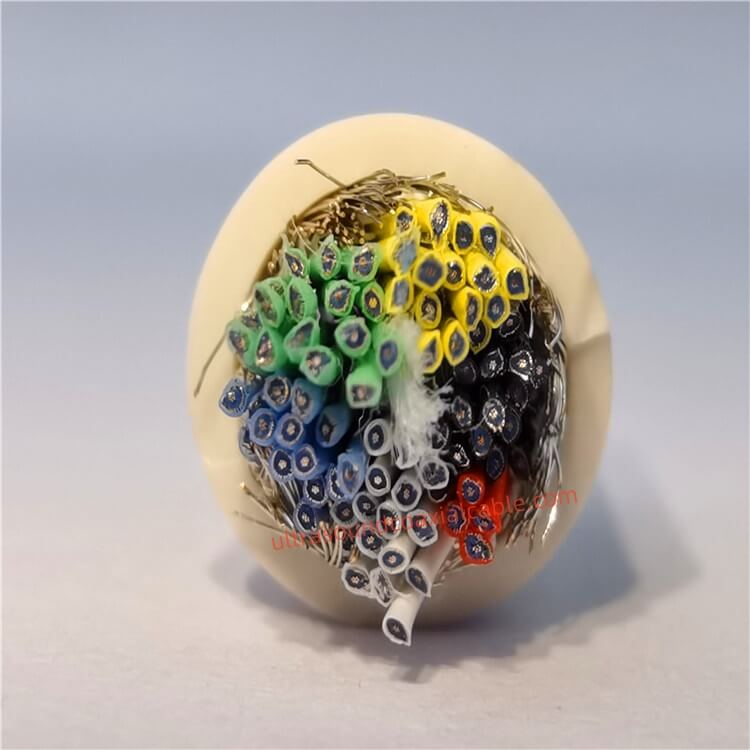
Product OverviewThe Ultrasound Coaxial Cable is a specialized cable engineered to deliver ultra-low signal loss, exceptional shielding, and unmatched durability in critical environments. Designed for medical imaging, industrial testi.
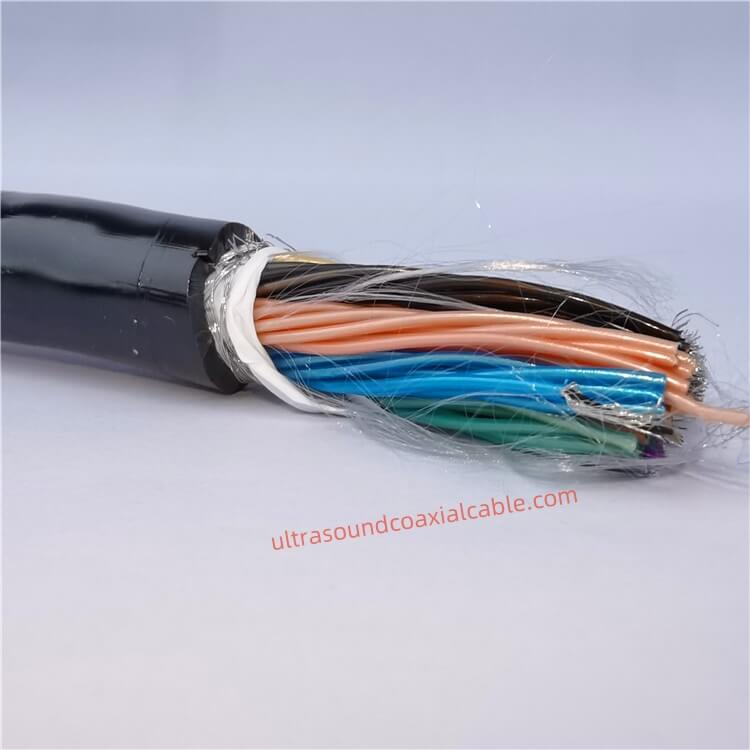
High-Performance Ultrasound Coaxial Cable Assembly: 42AWG to 30AWG, 6.6mm OD, 18GHz Bandwidth Engineered for precision in medical imaging and industrial applications, this customizable coaxial cable assembly delivers exceptional signal.

Ultra-Flexible 42AWG Medical-Grade Coaxial Cables for High-Precision Ultrasound Imaging Designed for demanding medical imaging applications, our Ultra-Flexible 42AWG Coaxial Cables deliver exceptional signal integrity, noise reduction,.
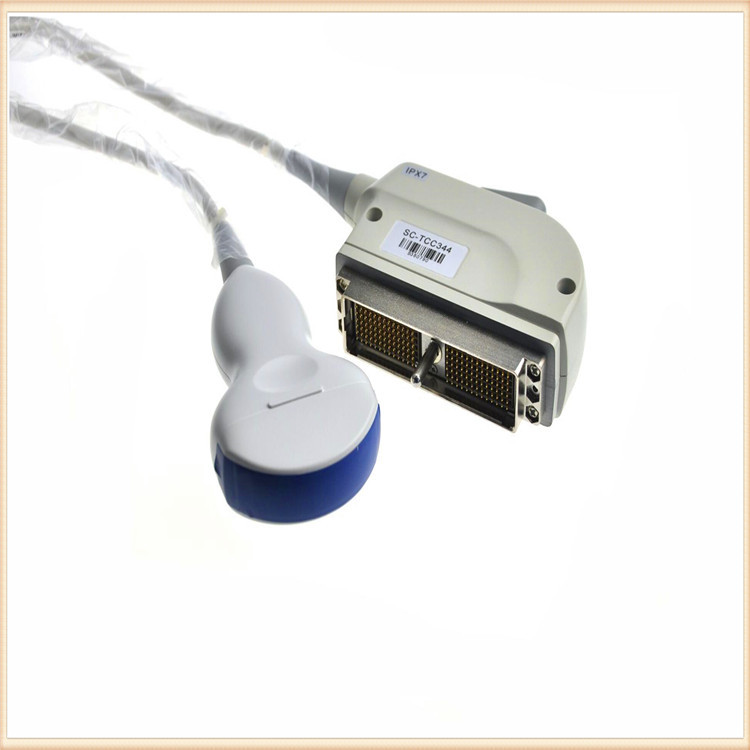
High-Performance Military Ultrasound Coaxial Cables: Built for Extreme Conditions Designed to meet the demanding requirements of military, aerospace, and medical applications, our Military-Grade Ultrasound Coaxial Cables deliver except.
Feel free to reach out to us for any inquiries or orders.