Navigating Sharp Bends in Ultrasound Coaxial Cables: A Comprehensive Guide Ultrasound coaxial cables are critical components in medical imaging, industrial… - Professional Ultrasound Coaxial Cable Solutions
Learn more about, latest news, frequently asked questions
Navigating Sharp Bends in Ultrasound Coaxial Cables: A Comprehensive Guide
Ultrasound coaxial cables are critical components in medical imaging, industrial diagnostics, and high-frequency communication systems. Their ability to transmit precise signals without interference makes them indispensable. However, sharp bends during installation or operation can compromise performance, leading to signal loss, physical damage, or premature failure. This guide explores practical strategies to handle sharp bends effectively, ensuring optimal functionality and longevity of your ultrasound coaxial cables.
Sharp bends in coaxial cables introduce mechanical stress on the inner conductor, dielectric layer, and shielding. This stress can deform the cable’s structure, causing micro-cracks or kinks that degrade signal integrity. For ultrasound applications, even minor damage may result in distorted imaging or reduced sensitivity.
Key Risks Include:
To mitigate these risks, engineers and technicians must prioritize proper handling techniques and cable selection.
Opt for cables engineered for high flexibility. Modern ultrasound coaxial cables, such as those using semi-rigid or corrugated designs, balance durability with bendability. For example, FRS’s Micro Coaxial Cables feature ultra-thin dielectric layers and reinforced shielding, enabling tight bends without compromising performance .
Key Features to Look For:
Proper installation minimizes stress on the cable. Follow these steps:
Routine maintenance is vital for longevity:
FRS stands out as a leader in high-performance coaxial cables, particularly for demanding applications like medical imaging and aerospace. Their products address the unique challenges of sharp bends through:
FRS offers bespoke solutions for specific use cases:
FRS cables adhere to MIL-DTL-17, UL AWM, and RoHS requirements, ensuring reliability in critical applications. For example, their SWA360-2.92/M series meets MIL-PRF-39012 standards for military-grade performance .
A hospital faced signal dropout issues in portable ultrasound devices used in emergency rooms. The problem stemmed from repeated sharp bends in the probe’s coaxial cables during patient transport.
Solution:
Outcome:
Signal integrity improved by 40%, and cable replacement frequency dropped by 60% within six months.
Handling sharp bends in ultrasound coaxial cables requires a blend of smart design, careful installation, and proactive maintenance. By selecting flexible, high-performance cables like those from FRS and following best practices, you can ensure reliable signal transmission and extend equipment lifespan.
For industries where precision is non-negotiable—medical, aerospace, or industrial automation—investing in robust coaxial solutions is not just a choice but a necessity. FRS continues to innovate, delivering cables that meet the evolving demands of modern technology.
FRS: Your Partner in Signal Integrity
Explore FRS’s ultrasound coaxial cables and custom solutions to optimize your systems. Visit [FRS’s website] for detailed specifications and technical support.
Discover our most popular furniture pieces that are loved by customers worldwide.
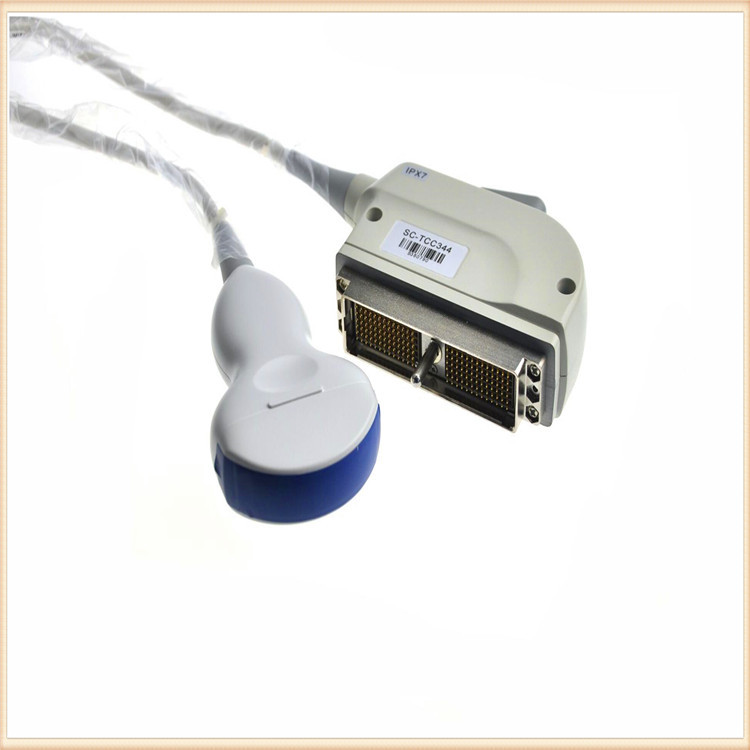
High-Performance Military Ultrasound Coaxial Cables: Built for Extreme Conditions Designed to meet the demanding requirements of military, aerospace, and medical applications, our Military-Grade Ultrasound Coaxial Cables deliver except.
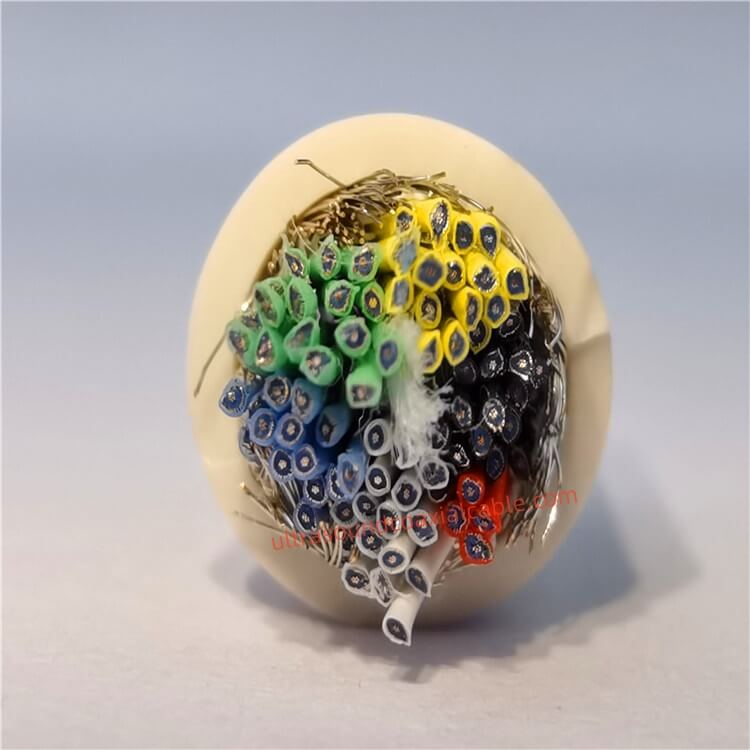
Product OverviewThe Ultrasound Coaxial Cable is a specialized cable engineered to deliver ultra-low signal loss, exceptional shielding, and unmatched durability in critical environments. Designed for medical imaging, industrial testi.

Ultra-Flexible 42AWG Medical-Grade Coaxial Cables for High-Precision Ultrasound Imaging Designed for demanding medical imaging applications, our Ultra-Flexible 42AWG Coaxial Cables deliver exceptional signal integrity, noise reduction,.
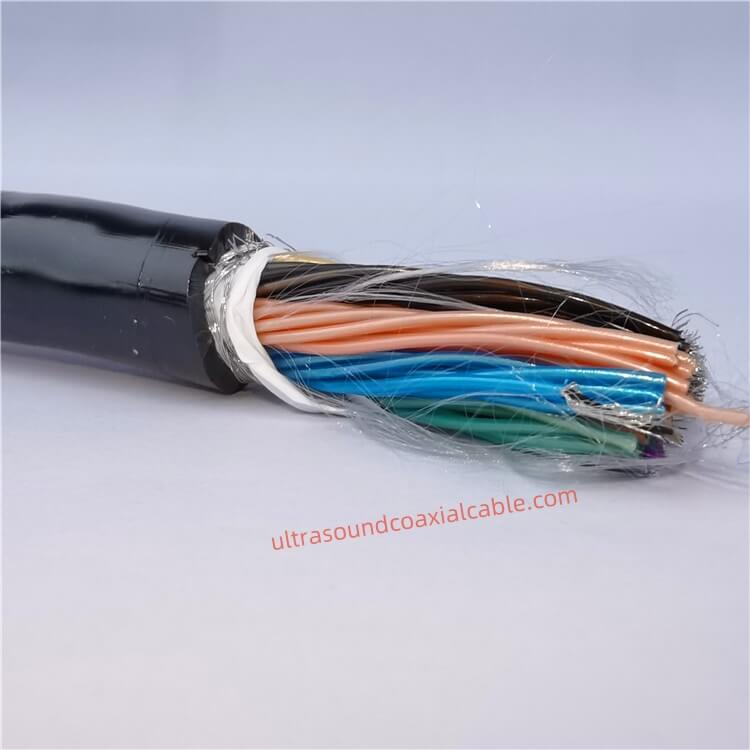
High-Performance Ultrasound Coaxial Cable Assembly: 42AWG to 30AWG, 6.6mm OD, 18GHz Bandwidth Engineered for precision in medical imaging and industrial applications, this customizable coaxial cable assembly delivers exceptional signal.
Feel free to reach out to us for any inquiries or orders.