What is an ultrasound coaxial cable? | High-Quality Ultrasound Coaxial Cable | ultrasound coaxial cable Manufacturer & Factory-FRS

What is an ultrasound coaxial cable?

Understanding Ultrasound Coaxial Cables: Design, Applications, and Performance Ultrasound coaxial cables are specialized transmission lines engineered to deliver high-frequency signals… - Professional Ultrasound Coaxial Cable Solutions

Information

Learn more about, latest news, frequently asked questions

Understanding Ultrasound Coaxial Cables: Design, Applications, and Performance

Ultrasound coaxial cables are specialized transmission lines engineered to deliver high-frequency signals with minimal loss and interference. These cables are critical in medical imaging, industrial diagnostics, and communication systems, where precision and reliability are paramount. This article explores their construction, technical specifications, and real-world applications, offering insights tailored to professionals seeking optimized solutions for signal integrity.


What Defines an Ultrasound Coaxial Cable?

An ultrasound coaxial cable consists of a central conductor, dielectric insulator, shielding layers, and an outer jacket. Unlike standard RF cables, ultrasound-specific variants prioritize low attenuation and high shielding effectiveness to maintain signal clarity over extended distances. Key components include:

  • Center Conductor: Typically made of high-purity copper or silver-plated copper to minimize resistance and ensure efficient signal transmission .
  • Dielectric Insulator: Materials like polyethylene or fluoropolymers reduce signal leakage and maintain consistent impedance (commonly 50Ω or 75Ω) .
  • Shielding Layers: Braided copper or aluminum meshes, sometimes layered with foil, block electromagnetic interference (EMI) and radio frequency interference (RFI) .
  • Outer Jacket: UV-resistant and flexible polymers (e.g., PVC or TPE) protect internal elements from environmental wear .

Technical Specifications Driving Performance

  1. Frequency Range:
    Ultrasound coaxial cables support frequencies from MHz to GHz ranges, with high-performance cables handling up to 40 GHz for advanced imaging systems .
  2. Attenuation Coefficients:
    Premium cables exhibit attenuation as low as 0.15 dB/m at 1 GHz, ensuring minimal signal degradation in long cable runs .
  3. Shielding Effectiveness:
    Quad-shielded designs achieve 110 dB shielding factor, critical for environments with high EMI, such as hospitals or industrial labs .
  4. Flexibility and Durability:
    Medical-grade cables incorporate micro-coaxial designs (outer diameter as small as 0.2 mm) for maneuverability in tight spaces, while industrial variants resist abrasion and chemical exposure .

Applications Across Industries

1. Medical Imaging

  • Ultrasound Probes: Transmit high-frequency sound waves for real-time imaging. Cables must withstand repeated sterilization (autoclave, ethylene oxide) and maintain biocompatibility per ISO 10993 standards .
  • MRI Compatibility: Non-magnetic materials ensure safety in magnetic resonance imaging environments .

2. Industrial Diagnostics

  • Non-Destructive Testing (NDT): Detect flaws in materials using ultrasonic waves. Cables require low noise and high signal-to-noise ratios (SNR) for accuracy .
  • Robotics and Automation: Enable precise control in automated inspection systems .

3. Telecommunications

  • 5G Infrastructure: Support high-speed data transmission in backhaul networks, leveraging low-loss properties for long-distance connectivity .

Selecting the Right Ultrasound Coaxial Cable

When choosing a cable, consider these factors:

  • Impedance Matching: Ensure alignment with source and receiver devices (e.g., 50Ω for RF systems, 75Ω for video applications) .
  • Cable Length: Longer cables demand higher shielding and lower attenuation to prevent signal loss .
  • Environmental Resistance:
  • Temperature Range: Industrial cables often operate in -55°C to +180°C conditions .
  • Chemical Exposure: Use fluoropolymer-insulated cables in corrosive environments .
  • Connector Types: Common options include F-type (RG-6), BNC, and SMA connectors, depending on application .

Installation and Maintenance Best Practices

  1. Proper Termination: Use crimp or compression connectors to avoid signal leakage. Tools like torque wrenches ensure secure fits .
  2. Cable Routing: Avoid sharp bends (radius ≥ 10× cable diameter) to prevent conductor breakage .
  3. Regular Inspections: Monitor for wear, especially in high-stress areas like joints and bends .

Market Trends and Innovations

  • Miniaturization: Demand for compact cables in portable medical devices drives advancements in micro-coaxial designs .
  • Hybrid Solutions: Integration of fiber optics with coaxial technology enhances bandwidth and reduces latency .
  • Sustainability: Manufacturers adopt recyclable materials to meet eco-regulations, such as RoHS and REACH .

Conclusion

Ultrasound coaxial cables are indispensable in modern technology, bridging the gap between precision and durability. By understanding their technical nuances and application-specific requirements, professionals can select cables that enhance system performance and longevity. Whether in medical imaging or industrial automation, these cables remain a cornerstone of reliable signal transmission.

For further details on product specifications or procurement, consult specialized suppliers offering tailored solutions for your industry.

Hot Selling Products

Discover our most popular furniture pieces that are loved by customers worldwide.
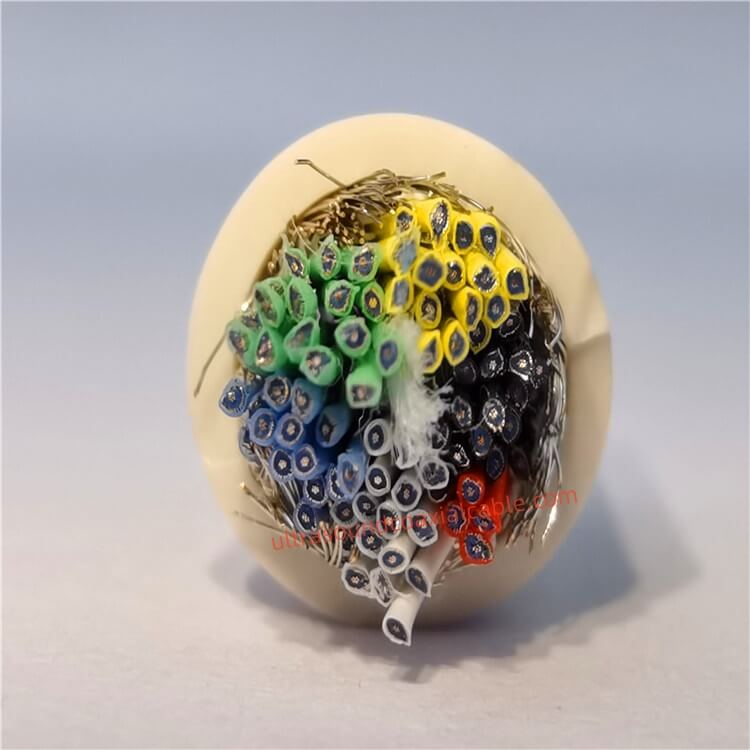
Ultrasound Coaxial Cable|High-Performance Signal Transmission for Precision Applications

Ultrasound Coaxial Cable|High-Performance Signal Transmission for Precision Applications

‌‌Product Overview‌The ‌Ultrasound Coaxial Cable‌ is a specialized cable engineered to deliver ultra-low signal loss, exceptional shielding, and unmatched durability in critical environments. Designed for medical imaging, industrial testi.
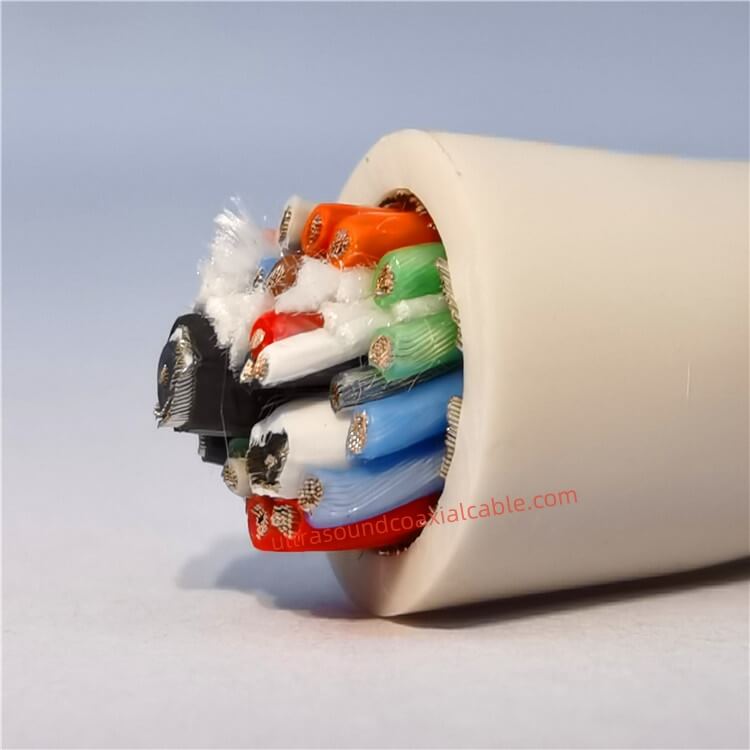
138-Core Medical Ultrasound Probe Coaxial Cable with 0.2mm Diameter – Biocompatible & FDA-Certified

138-Core Medical Ultrasound Probe Coaxial Cable with 0.2mm Diameter – Biocompatible & FDA-Certified

High-Precision 138-Core Medical Ultrasound Coaxial Cables | 0.2mm Ultra-Fine Biocompatible Design for Diagnostic Imaging Product Overview Engineered for advanced medical imaging systems, our 138-Core Medical Ultrasound Probe Coa.

High-Precision Ultrasound Coaxial Cable for Medical Imaging – Low Noise, Flexible Design, 42AWG

High-Precision Ultrasound Coaxial Cable for Medical Imaging – Low Noise, Flexible Design, 42AWG

Ultra-Flexible 42AWG Medical-Grade Coaxial Cables for High-Precision Ultrasound Imaging Designed for demanding medical imaging applications, our Ultra-Flexible 42AWG Coaxial Cables deliver exceptional signal integrity, noise reduction,.
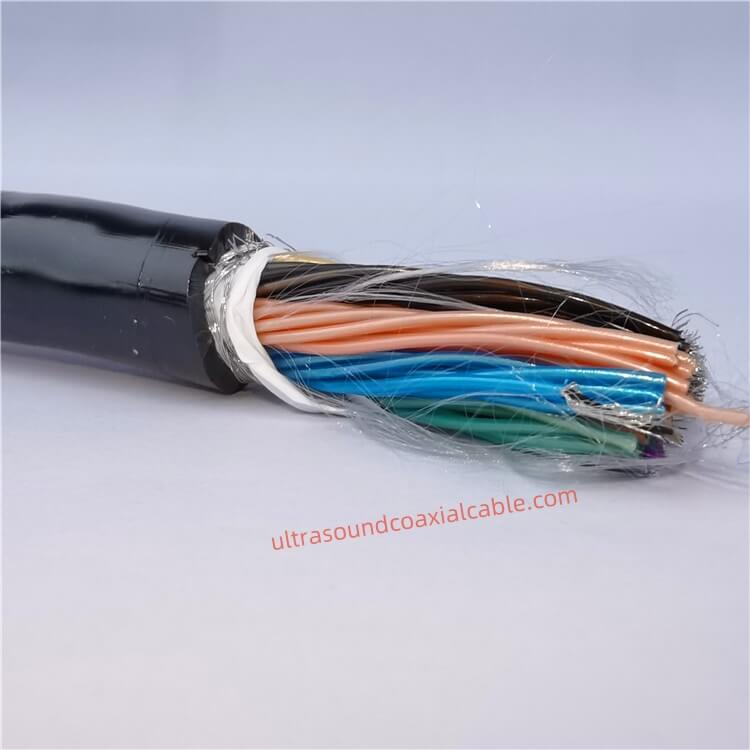
Customizable Ultrasound Coaxial Cable Assembly – 42AWG to 30AWG, 6.6mm OD, 18GHz Bandwidth

Customizable Ultrasound Coaxial Cable Assembly – 42AWG to 30AWG, 6.6mm OD, 18GHz Bandwidth

High-Performance Ultrasound Coaxial Cable Assembly: 42AWG to 30AWG, 6.6mm OD, 18GHz Bandwidth Engineered for precision in medical imaging and industrial applications, this customizable coaxial cable assembly delivers exceptional signal.

Contact Us

Feel free to reach out to us for any inquiries or orders.

Call Us

Have a question? Give us a call!

                   +8618818785005(Whatsapp)

Email Us

Send us an email and we'll get back to you soon.

sales@custom-cable-assemblies.com
       
Home Products Contact