What are the signs of wear and tear on an ultrasound coaxial cable? | High-Quality Ultrasound Coaxial Cable | ultrasound coaxial cable Manufacturer & Factory-FRS

What are the signs of wear and tear on an ultrasound coaxial cable?

How to Spot When Your Ultrasound Coaxial Cable is Failing: Key Signs to Watch For​ Ultrasound coaxial cables are critical… - Professional Ultrasound Coaxial Cable Solutions

Information

Learn more about, latest news, frequently asked questions

How to Spot When Your Ultrasound Coaxial Cable is Failing: Key Signs to Watch For

Ultrasound coaxial cables are critical components in medical imaging, industrial diagnostics, and high-frequency communication systems. These cables transmit sensitive signals with precision, but over time, wear and tear can compromise their performance. Recognizing the early signs of degradation is essential to maintaining system accuracy and avoiding costly downtime. In this guide, we’ll break down the most common indicators that your ultrasound coaxial cable needs attention, along with practical solutions to ensure long-term reliability.


1. Physical Damage: The First Clue

Visible wear on the cable’s outer jacket or connectors is often the first sign of trouble. Look for:

  • Cracks or splits​ in the outer insulation, especially near bends or joints. This exposes internal shielding and conductors to moisture, dust, or electromagnetic interference (EMI) .
  • Kinks or sharp bends​ that deform the cable’s structure. Ultrasound cables, particularly those with micro-coaxial strands (e.g., 42AWG or 44AWG), are highly sensitive to physical stress, which can disrupt signal integrity .
  • Corrosion on connectors​ (e.g., BNC or SMA types). Rust or oxidation at the contact points increases resistance, leading to signal loss or intermittent connectivity .

Why it matters: Ultrasound systems rely on stable signal transmission. Even minor physical damage can degrade image resolution or cause false readings in medical or industrial applications.


2. Signal Degradation: When Clarity Fades

If your ultrasound device produces blurry images, distorted audio, or erratic data outputs, the cable may be failing. Key symptoms include:

  • Increased noise or static: This often stems from damaged shielding, allowing external EMI to interfere with the signal .
  • Signal attenuation: Weakened signals over long cable runs (e.g., >3 meters) may indicate broken conductors or compromised insulation. High-frequency applications like medical imaging are particularly vulnerable .
  • Intermittent connectivity: If the cable works sporadically, internal connections or solder joints may be loose or corroded .

Pro Tip: Use a multimeter to test continuity. A healthy cable should show near-zero resistance between the center conductor and shield. Spikes or drops suggest internal breaks .


3. Connector Issues: Loose or Damaged Contacts

Connectors are the lifeline of coaxial cables. Common problems include:

  • Loose fittings: Improperly tightened connectors cause signal leakage and impedance mismatches.
  • Bent or broken pins: Repeated plugging/unplugging can deform contact points, especially in high-use environments.
  • Contamination: Dust, grease, or moisture on connectors creates noise and disrupts electrical contact .

Solution: Regularly clean connectors with isopropyl alcohol and a lint-free cloth. For industrial setups, opt for waterproof or locking connectors to prevent dislodgment.


4. Environmental Stressors: Sunlight, Moisture, and Temperature

Ultrasound cables exposed to harsh conditions deteriorate faster. Watch for:

  • UV exposure: Sunlight degrades outer jackets, causing brittleness and cracking. This is common in outdoor installations or near windows .
  • Humidity and water ingress: Moisture seeps into damaged jackets, corroding shielding and conductors. Look for discoloration or mold near seals.
  • Extreme temperatures: High heat softens insulation, while freezing temperatures make materials brittle. Military-grade cables often use fluoropolymers (e.g., PTFE) to resist thermal stress .

Preventive Measure: Use UV-resistant jackets and weatherproof enclosures for outdoor cables. Silicone-based coatings add flexibility in cold climates.


5. Age-Related Deterioration

Even well-maintained cables have a lifespan. Most high-quality ultrasound coaxial cables last ​5–10 years, but factors like usage frequency and environment can shorten this. Signs of aging include:

  • Yellowing or brittleness: Common in PVC jackets as they oxidize over time.
  • Increased attenuation: Signal loss accelerates after 5+ years, even with minimal physical damage .
  • Intermittent faults: Aging cables may work reliably for short periods but fail under stress (e.g., high-power applications).

Upgrade Strategy: Replace cables every 5 years in critical systems. For mission-critical setups, invest in ​long-life materials​ like polyethylene or ethylene tetrafluoroethylene (ETFE).


FRS: Your Partner in Durable Ultrasound Coaxial Solutions

When it comes to reliable ultrasound coaxial cables, ​FRS​ stands out with engineered solutions tailored for demanding applications. Whether you’re in medical imaging, aerospace, or industrial testing, FRS cables deliver:

  • Enhanced shielding: Multi-layer shielding (foil + braid) minimizes EMI, ensuring crisp, interference-free signals.
  • Ultra-flexible designs: Micro-coaxial strands (as small as 0.2mm diameter) retain flexibility without sacrificing durability, ideal for portable devices or tight spaces .
  • Robust connectors: Gold-plated contacts and corrosion-resistant materials extend service life in humid or high-vibration environments.

Why Choose FRS?​

  • Customizable: Adjust impedance (50Ω/75Ω), length, and shielding to match your system.
  • Certified quality: Compliant with medical (ISO 13485) and industrial standards (UL, RoHS).
  • Proven performance: Trusted by labs, clinics, and factories worldwide for over a decade.

Conclusion: Protect Your Investment with Proactive Maintenance

Ultrasound coaxial cables are the unsung heroes of signal transmission. By staying vigilant about physical damage, signal quality, and environmental stressors, you can avoid costly failures. When it’s time for an upgrade, prioritize brands like ​FRS​ that combine innovation with reliability. Regular inspections, proper handling, and investing in high-quality cables will keep your systems running smoothly for years to come.

Final Tip: Keep a spare cable on hand for critical systems. FRS offers fast shipping and expert support to ensure minimal downtime.


Keywords: ultrasound coaxial cable signs of wear, replace ultrasound cable, medical imaging cables, durable coaxial solutions, FRS ultrasound cables

Hot Selling Products

Discover our most popular furniture pieces that are loved by customers worldwide.

Ultra-Flexible Coaxial Cable for Ultrasound Transducers – 44AWG, 0.15dB/m Attenuation at 1GHz

Ultra-Flexible Coaxial Cable for Ultrasound Transducers – 44AWG, 0.15dB/m Attenuation at 1GHz

High-Performance Flexible Coaxial Cable for Medical Imaging & Ultrasound Systems Designed for demanding applications in medical imaging, industrial diagnostics, and high-frequency signal transmission, this ultra-flexible coaxial ca.
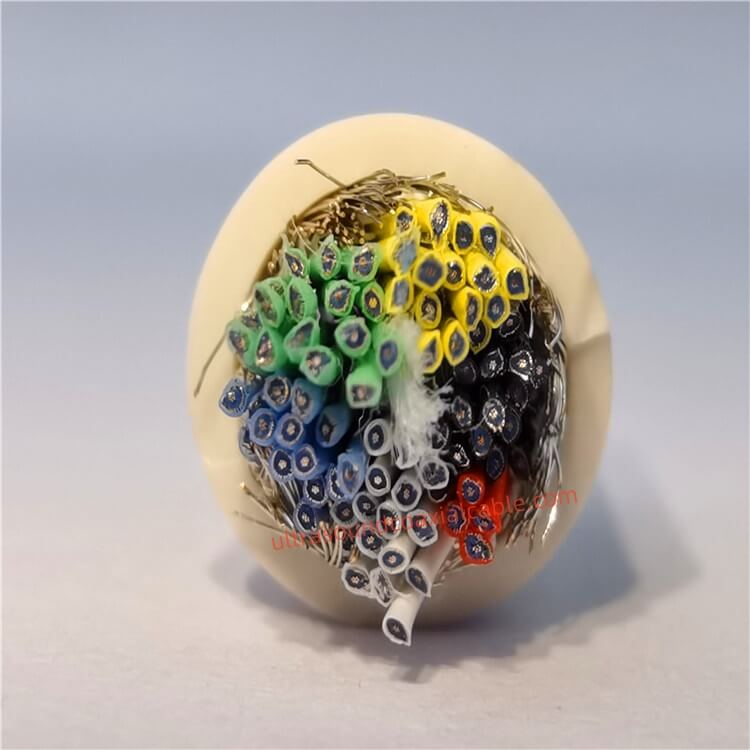
Ultrasound Coaxial Cable|High-Performance Signal Transmission for Precision Applications

Ultrasound Coaxial Cable|High-Performance Signal Transmission for Precision Applications

‌‌Product Overview‌The ‌Ultrasound Coaxial Cable‌ is a specialized cable engineered to deliver ultra-low signal loss, exceptional shielding, and unmatched durability in critical environments. Designed for medical imaging, industrial testi.
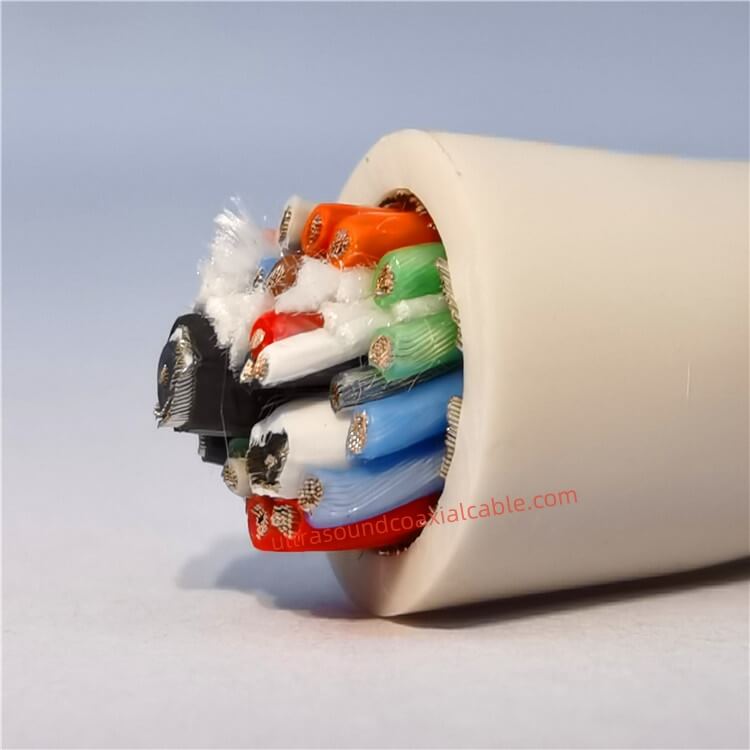
138-Core Medical Ultrasound Probe Coaxial Cable with 0.2mm Diameter – Biocompatible & FDA-Certified

138-Core Medical Ultrasound Probe Coaxial Cable with 0.2mm Diameter – Biocompatible & FDA-Certified

High-Precision 138-Core Medical Ultrasound Coaxial Cables | 0.2mm Ultra-Fine Biocompatible Design for Diagnostic Imaging Product Overview Engineered for advanced medical imaging systems, our 138-Core Medical Ultrasound Probe Coa.

High-Precision Ultrasound Coaxial Cable for Medical Imaging – Low Noise, Flexible Design, 42AWG

High-Precision Ultrasound Coaxial Cable for Medical Imaging – Low Noise, Flexible Design, 42AWG

Ultra-Flexible 42AWG Medical-Grade Coaxial Cables for High-Precision Ultrasound Imaging Designed for demanding medical imaging applications, our Ultra-Flexible 42AWG Coaxial Cables deliver exceptional signal integrity, noise reduction,.

Contact Us

Feel free to reach out to us for any inquiries or orders.

Call Us

Have a question? Give us a call!

                   +8618818785005(Whatsapp)

Email Us

Send us an email and we'll get back to you soon.

sales@custom-cable-assemblies.com
       
Home Products Contact