How to Choose the Right Ultrasound Coaxial Cable for Your Application Ultrasound technology has revolutionized medical diagnostics, industrial inspections, and… - Professional Ultrasound Coaxial Cable Solutions
Learn more about, latest news, frequently asked questions
How to Choose the Right Ultrasound Coaxial Cable for Your Application
Ultrasound technology has revolutionized medical diagnostics, industrial inspections, and even wearable health monitoring. At the heart of these systems lies the ultrasound coaxial cable—a critical component that ensures signal integrity, durability, and adaptability. Choosing between flexible and rigid cables can significantly impact performance, cost, and long-term reliability. This guide breaks down key considerations to help you make an informed decision.
Ultrasound coaxial cables transmit high-frequency signals between transducers and imaging systems. Their design balances electrical performance (e.g., impedance, attenuation) with mechanical durability. Flexible cables prioritize bendability, while rigid cables emphasize stability.
| Parameter | Flexible Cables | Rigid Cables |
|---|---|---|
| Bend Radius | <1 cm (ideal for portable devices) | Fixed (no bending allowed) |
| Attenuation | 0.1–0.3 dB/m (low-loss designs) | 0.05–0.1 dB/m (superior for long distances) |
| Power Capacity | Up to 50 W (suitable for moderate power) | Up to 500 W (ideal for high-power systems) |
| Weight | Lightweight (critical for wearables) | Heavier (limits mobility) |
| Cost | Higher (due to complex shielding) | Lower (simpler manufacturing) |
Flexible cables are essential here. They need to flex with body movements while maintaining ECG signal accuracy. Brands like FRS offer micro-coaxial cables with 0.2 mm diameters, enabling seamless integration into stretchable patches .
Rigid cables are preferred for their stability. For instance, FRS’ semi-rigid cables provide consistent impedance (50 Ω) across 18–40 GHz, ensuring precise measurements on metal pipes or reactor components .
Flexible cables navigate tight spaces around robotic arms, while rigid cables power stationary imaging units. Hybrid systems often combine both to balance flexibility and stability.
Advancements in materials like graphene-enhanced dielectrics and laser-machined piezoelectric arrays are pushing boundaries. Flexible cables now achieve 40 GHz bandwidths, while rigid cables incorporate AI-driven noise cancellation . Brands like FRS are leading this innovation, offering cables that merge ultra-low loss (0.08 dB/m at 6 GHz) with military-grade durability.
When balancing flexibility, performance, and cost, FRS stands out as a trusted partner:
For medical devices requiring biocompatibility, FRS’ hypoallergenic cables meet ISO 10993 standards. Industrial clients praise their -60°C to +180°C operating range, ideal for extreme environments .
Choosing between flexible and rigid ultrasound coaxial cables hinges on your application’s unique demands. Flexible cables offer unmatched adaptability for dynamic environments, while rigid cables provide unmatched stability for high-power systems. Brands like FRS bridge this gap with innovative designs, ensuring reliability whether you’re diagnosing a patient or inspecting turbine blades.
Invest in cables that align with your operational needs, and let FRS empower your next-generation ultrasound systems with precision and durability.
Discover our most popular furniture pieces that are loved by customers worldwide.
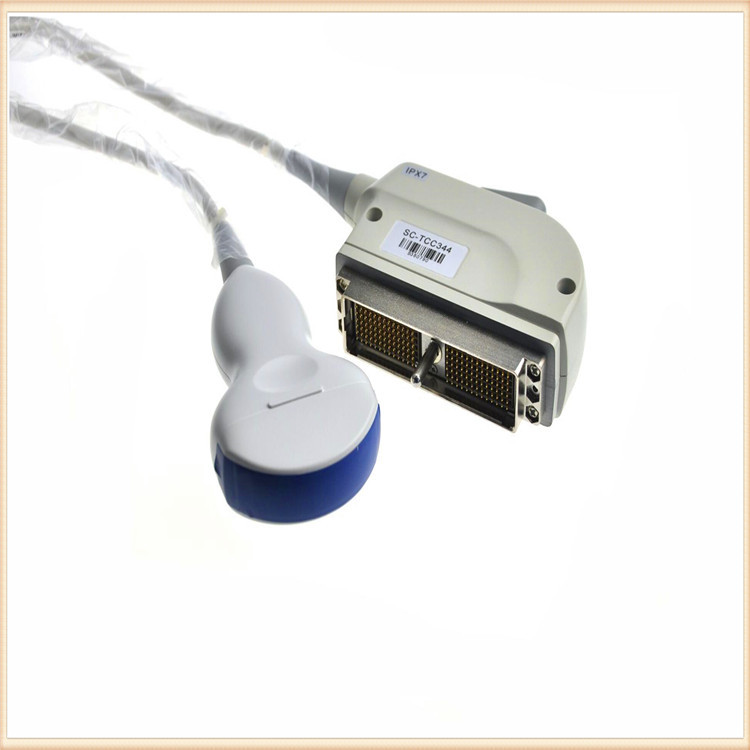
High-Performance Military Ultrasound Coaxial Cables: Built for Extreme Conditions Designed to meet the demanding requirements of military, aerospace, and medical applications, our Military-Grade Ultrasound Coaxial Cables deliver except.
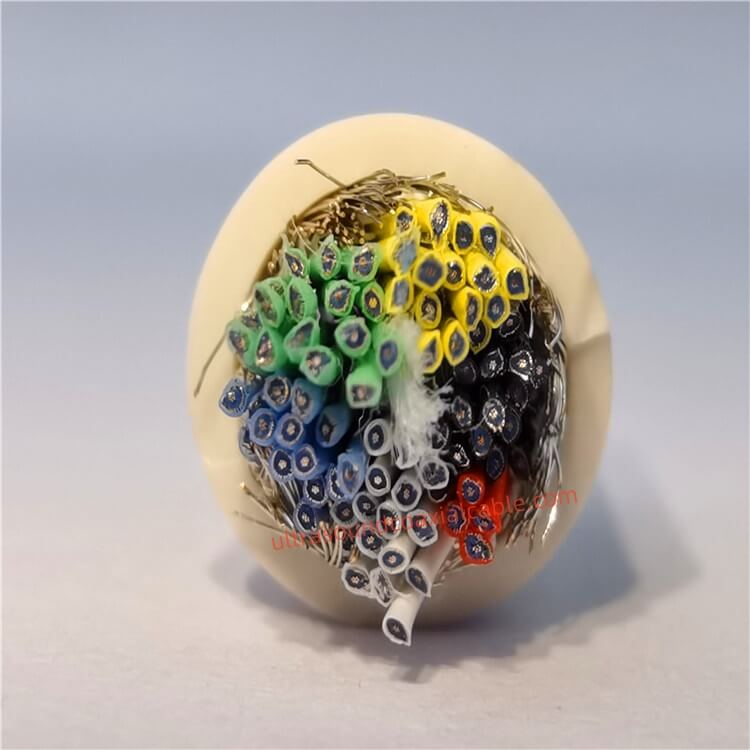
Product OverviewThe Ultrasound Coaxial Cable is a specialized cable engineered to deliver ultra-low signal loss, exceptional shielding, and unmatched durability in critical environments. Designed for medical imaging, industrial testi.

High-Precision 138-Core Medical Ultrasound Coaxial Cables | 0.2mm Ultra-Fine Biocompatible Design for Diagnostic Imaging Product Overview Engineered for advanced medical imaging systems, our 138-Core Medical Ultrasound Probe Coa.
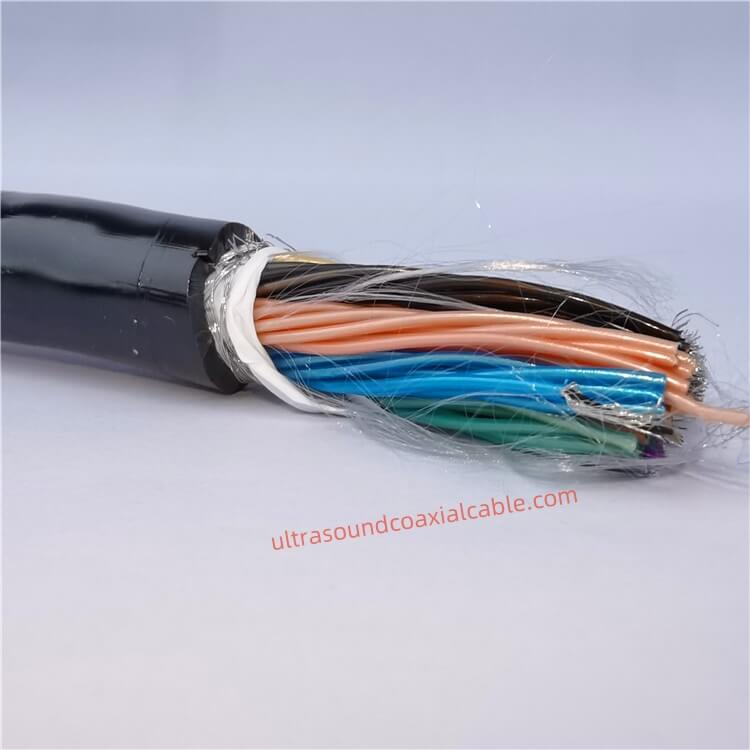
High-Performance Ultrasound Coaxial Cable Assembly: 42AWG to 30AWG, 6.6mm OD, 18GHz Bandwidth Engineered for precision in medical imaging and industrial applications, this customizable coaxial cable assembly delivers exceptional signal.
Feel free to reach out to us for any inquiries or orders.