Ultrasound Coaxial Cable Not Transmitting a Signal – What Should I Do? When your ultrasound coaxial cable fails to transmit… - Professional Ultrasound Coaxial Cable Solutions
Learn more about, latest news, frequently asked questions
When your ultrasound coaxial cable fails to transmit signals properly, it can disrupt critical operations in medical diagnostics, industrial testing, and scientific research. This comprehensive guide will help you systematically troubleshoot and resolve these issues, ensuring your equipment returns to optimal performance.
Begin with a thorough visual examinationof your entire ultrasound coaxial cable setup. Look for obvious physical damage such as cuts, kinks, or crushing along the cable length. Pay special attention to the connectors, checking for bent pins, corrosion, or loose fittings that could compromise signal transmission. Ensure all connections are securely tightened by hand, as overtightening with tools can damage the delicate components .
Next, verify that you’re using the appropriate cable typefor your ultrasound application. Standard coaxial cables like RG59 may not suffice for high-frequency ultrasound signals. Instead, specialized ultrasound coaxial cables typically feature 50-ohm impedance and are designed to minimize signal loss at frequencies relevant to ultrasonic testing (typically 500 KHz to 20 MHz and beyond). FRS’s ultrasound coaxial cables, for instance, are engineered specifically for these demanding applications with impedance stability to prevent signal degradation .
To accurately diagnose your ultrasound coaxial cable issues, employ these testing methods:
Ultrasound systems are often deployed in electrically noisy environments where electromagnetic interference(EMI) from motors, welders, or other equipment can disrupt signal transmission. If you suspect interference, consider upgrading to double-shielded or triple-shielded coaxial cables. FRS’s ShieldMax series, for example, incorporates multiple shielding layers that provide up to 100 dB of EMI rejection, crucial for maintaining signal integrity in industrial settings .
Additionally, evaluate the cable routing path. Avoid running ultrasound coaxial cables parallel to power lines or high-emission devices. Maintain a minimum separation of 12-18 inches where possible. Sharp bends should also be avoided as they can cause internal conductor damage and impedance disruptions; maintain a bend radius of at least five times the cable diameter .
As cable length increases, so does signal attenuation. For cables longer than approximately 20 meters (65 feet), you may observe duplicate excitation pulses or echoes separated by time intervals equal to the electrical length of the cable. This occurs because reflected electrical energy redrives the transducer, extending excitation pulses and limiting near-surface resolution .
Solutions for long-cable applicationsinclude:
When accurate tracking of echo amplitude is critical, always calibrate instrument sensitivitywith the actual cable length being used for testing. Similarly, for thickness or distance measurements, perform instrument zero calibration with the test cable installed to compensate for electrical transit time through the cable .
Faulty terminations account for a substantial percentage of ultrasound coaxial cable failures. For medical and industrial ultrasound applications, proper connector installation is paramount:
If troubleshooting confirms significant cable degradation or if your equipment operates in demanding conditions, upgrading to a specialized ultrasound coaxial cable might be the most effective solution. Modern options like the COMFORT EX Ultrasound Micro Coax Cable incorporate high-grade copper and silver conductors that reduce signal loss and interference while minimizing heat generation during extended imaging procedures .
For robotic ultrasound systemsor applications requiring continuous flexing, specify high-flex designs like FRS’s FlexLine series. These incorporate specialized conductor stranding and dual-layer jacket systems that withstand millions of flex cycles without failure—critical for automated inspection systems in industrial settings .
When selecting replacement ultrasound coaxial cables, verify compliance with relevant industry standardssuch as IEC 61196 for EMI robustness and ASTM F2945-20 for mechanical stress resistance. These certifications ensure the cable will perform reliably in your specific application environment .
Implementing a proactive maintenance regimen can prevent unexpected downtime:
By methodically addressing ultrasound coaxial cable issues using this structured approach, you can minimize system downtime and maintain the signal integrity essential for accurate ultrasound imaging and measurements. For persistent problems despite troubleshooting, consult with technical specialists from quality cable manufacturers like FRS who can provide application-specific guidance and custom solutions tailored to your operational requirements .
Discover our most popular furniture pieces that are loved by customers worldwide.
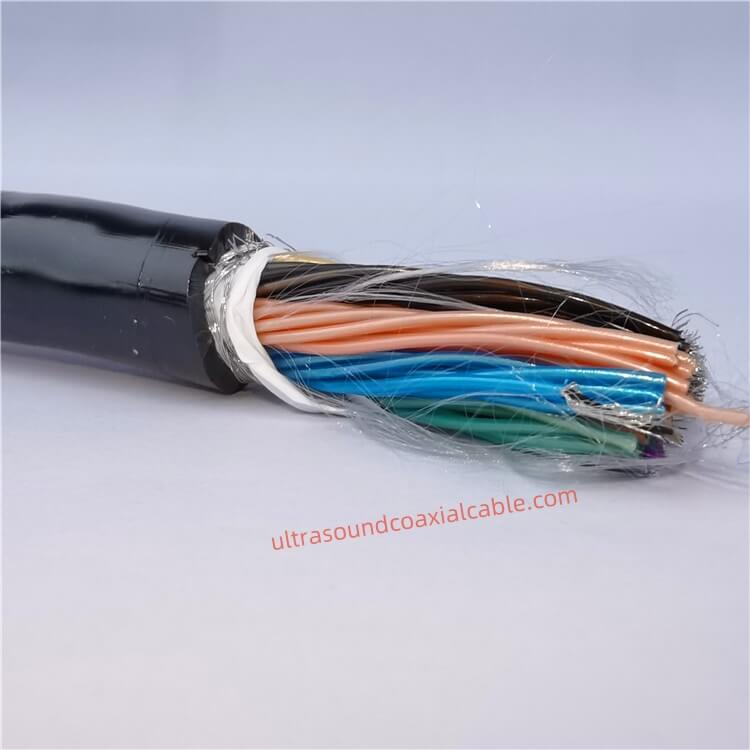
High-Performance Ultrasound Coaxial Cable Assembly: 42AWG to 30AWG, 6.6mm OD, 18GHz Bandwidth Engineered for precision in medical imaging and industrial applications, this customizable coaxial cable assembly delivers exceptional signal.
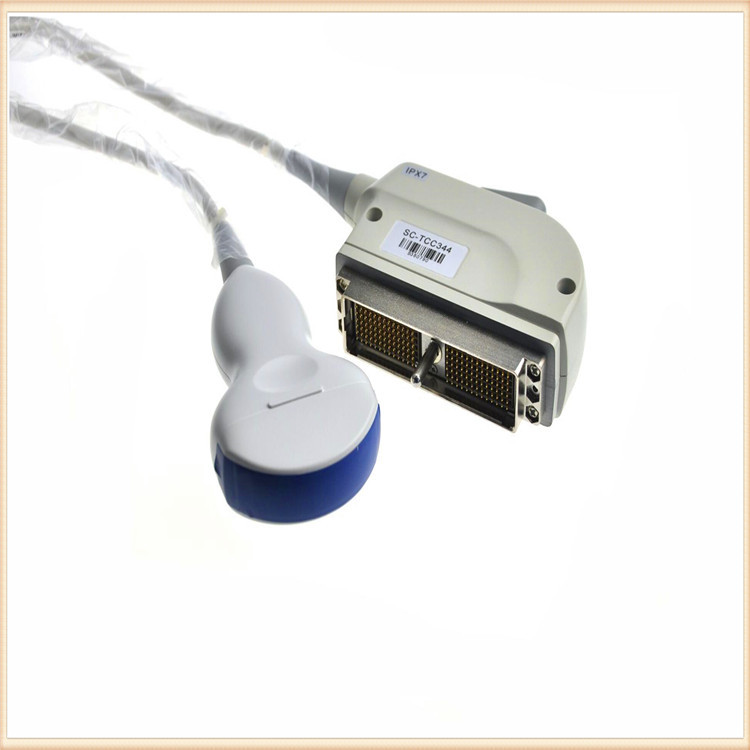
High-Performance Military Ultrasound Coaxial Cables: Built for Extreme Conditions Designed to meet the demanding requirements of military, aerospace, and medical applications, our Military-Grade Ultrasound Coaxial Cables deliver except.
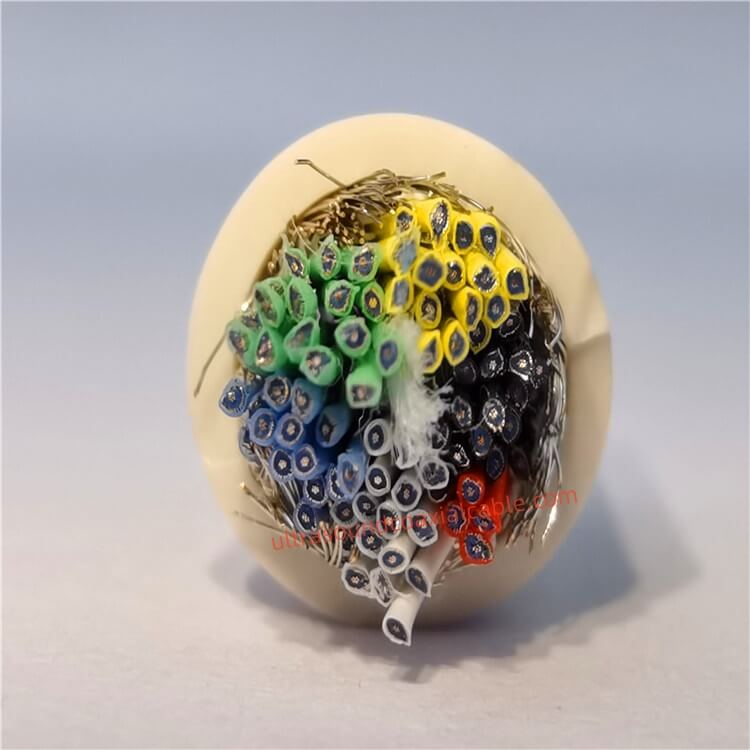
Product OverviewThe Ultrasound Coaxial Cable is a specialized cable engineered to deliver ultra-low signal loss, exceptional shielding, and unmatched durability in critical environments. Designed for medical imaging, industrial testi.

Ultra-Flexible 42AWG Medical-Grade Coaxial Cables for High-Precision Ultrasound Imaging Designed for demanding medical imaging applications, our Ultra-Flexible 42AWG Coaxial Cables deliver exceptional signal integrity, noise reduction,.
Feel free to reach out to us for any inquiries or orders.