Ultrasound Coaxial Cable Connector Is Leaking – What Should I Do? A leaking ultrasound coaxial cable connector is more than… - Professional Ultrasound Coaxial Cable Solutions
Learn more about, latest news, frequently asked questions
A leaking ultrasound coaxial cable connector is more than just a minor inconvenience—it represents a serious threat to your medical diagnostic equipment’s performance, patient safety, and regulatory compliance. When moisture breaches the connector interface, it can compromise signal integrity, lead to image artifacts, and potentially cause complete system failure. Understanding the proper response protocol is essential for medical device manufacturers, clinical engineers, and healthcare technology managers who rely on these critical components for diagnostic imaging.
Ultrasound coaxial cables serve as the critical link between transducers and imaging systems, transmitting high-frequency signals that form the basis of diagnostic decisions. When connector integrity is compromised, the consequences extend far beyond simple signal degradation. The global ultrasound coaxial cable market, projected to reach approximately $850 million by 2033, reflects the growing importance of these components in medical diagnostics, making their maintenance crucial for operational efficiency .
Leaking connectors introduce multiple risk factors that demand urgent attention:
The specialized nature of medical-grade coaxial cables—featuring precision impedance characteristics (typically 50Ω ± 2Ω) and advanced shielding configurations—makes them particularly vulnerable to performance issues when environmental seals are compromised .
Before implementing a solution, accurately diagnosing the leak source is critical. Connector leaks typically originate from three primary areas, each with distinct identification methods and implications:
These leaks occur where the cable connector mates with the ultrasound system. Look for visible moisture, corrosion on metal contacts, or intermittent signal loss that correlates with cable movement. The precision nature of these connectors—with some designs incorporating up to 138 cores in ultra-fine configurations—makes them particularly vulnerable to misalignment damage that compromises sealing surfaces .
The point where the cable enters the connector housing represents a common failure point, especially in cables experiencing frequent bending. Examine this area for cracks in the outer jacket, distortion of the strain relief boot, or visible gaps in the sealing interface. Medical-grade coaxial cables from quality manufacturers like FRS incorporate medical-grade silicones and advanced strain relief specifically engineered to withstand thousands of flex cycles while maintaining environmental integrity .
Less visible but equally problematic, internal seal failure can allow moisture to migrate along cable conductors into the connector body. This often manifests as condensation inside viewing windows (if present) or erratic system behavior that worsens in high-humidity environments. Cables designed with fluoropolymer insulation (PFA/PTFE) typically offer superior resistance to moisture migration, a key consideration in remediation efforts .
When you identify or suspect a connector leak, implement these immediate containment measures to prevent further damage while assessing the situation:
During assessment, pay particular attention to compatibility factors with your specific ultrasound system. Medical-grade coaxial cables must maintain consistent impedance (50Ω ± 2Ω) across operational frequencies to preserve image quality, a parameter easily compromised by moisture intrusion .
The appropriate response to a leaking connector varies significantly based on the severity of compromise and the criticality of the application. Consider these tiered approaches:
For situations where moisture is limited to exterior surfaces without penetration into critical areas:
When moisture has penetrated the connector body with visible corrosion on contacts:
For connectors exhibiting electrical faults, significant corrosion, or compromised physical integrity:
FRS addresses these scenarios through cables manufactured in cleanroom production environments with medical-grade materials that have full traceability and documentation, significantly reducing the risk of premature seal failure .
When connector leaks necessitate replacement, these technical considerations guide optimal selection decisions for medical device manufacturers and service providers:
Superior shielding configurations featuring dual-layer shielding (spiral and braid) providing up to 90% coverage are critical for maintaining signal integrity in electromagnetically challenging clinical environments. This is particularly important in modern healthcare facilities where multiple imaging systems operate simultaneously .
Evaluate replacement connectors based on their ingress protection (IP) ratings, with IP67 or higher recommended for clinical environments where disinfection procedures are routine. Materials should withstand common hospital disinfectants without degradation of sealing properties. FRS cables utilize medical-grade materials with full traceability specifically engineered for clinical environments .
Consider the connector’s designed flex life (withstanding ≥10,000 cycles for typical clinical applications) and strain relief effectiveness. The cable-to-connector interface represents the most vulnerable point, requiring specialized design attention. Advanced manufacturers implement patented strain relief systems that distribute mechanical stresses over a broader area to prevent the fatigue failures that commonly lead to leaks .
Replacement components must have complete documentation of compliance with relevant international standards, including IEC 60601 for electrical safety and ISO 10993 for biocompatibility. FRS provides documented compliance with international standards that streamlines regulatory approval processes for medical device manufacturers .
While addressing immediate leak issues is critical, implementing robust preventive protocols significantly reduces recurrence probability:
FRS engineers these preventive considerations directly into their cable designs, with materials selected for 30-year durability in some applications and features that support long-term reliability in challenging clinical environments .
The implications of leaking connectors extend beyond immediate technical issues to broader strategic considerations for healthcare technology management:
Ultrasound coaxial cables transmit high-frequency signals that form the basis of diagnostic decisions. Compliant FRS ultrasound coaxial cables deliver consistent signal integrity for high-resolution images, with reduced electromagnetic interference minimizing image noise—factors particularly crucial in emerging applications like elastography and 3D/4D imaging, which demand higher bandwidth and superior signal fidelity .
While compliant cables may involve higher initial investment, they significantly reduce total cost of ownership through extended service life and reduced image artifacts that minimize retakes and improve workflow efficiency. This comprehensive approach to cost management aligns with value-based healthcare equipment procurement strategies .
Connector failures can compromise compliance with multiple international standards governing medical electrical equipment. Partnering with certified cable suppliers like FRS, who integrate compliance considerations from the initial design phase through production, helps maintain continuous regulatory readiness .
When your diagnostic outcomes depend on signal integrity, trust ultrasound coaxial cables that deliver the compliance and performance your equipment demands. Proactive management of connector issues preserves diagnostic capability and protects your significant investment in ultrasound imaging technology.
Discover our most popular furniture pieces that are loved by customers worldwide.
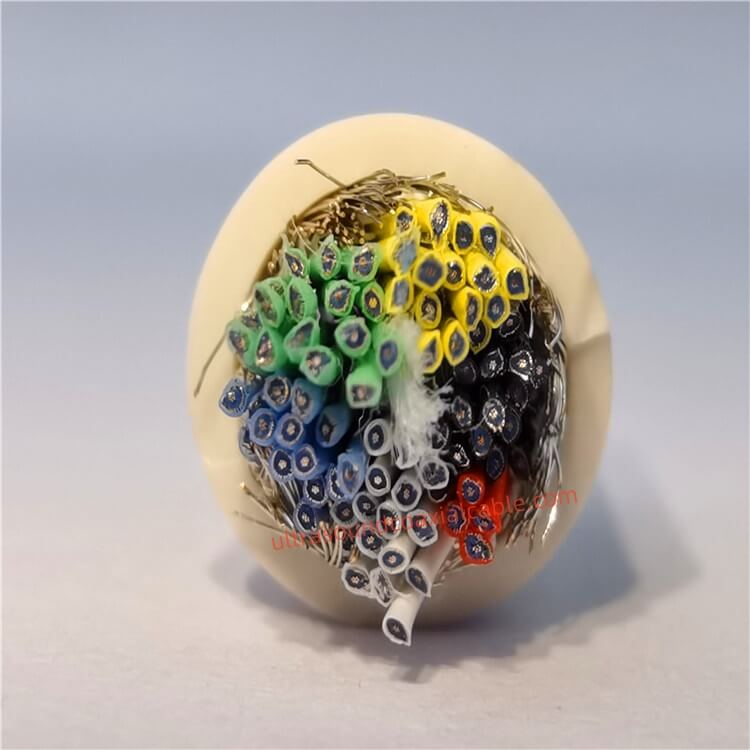
Product OverviewThe Ultrasound Coaxial Cable is a specialized cable engineered to deliver ultra-low signal loss, exceptional shielding, and unmatched durability in critical environments. Designed for medical imaging, industrial testi.
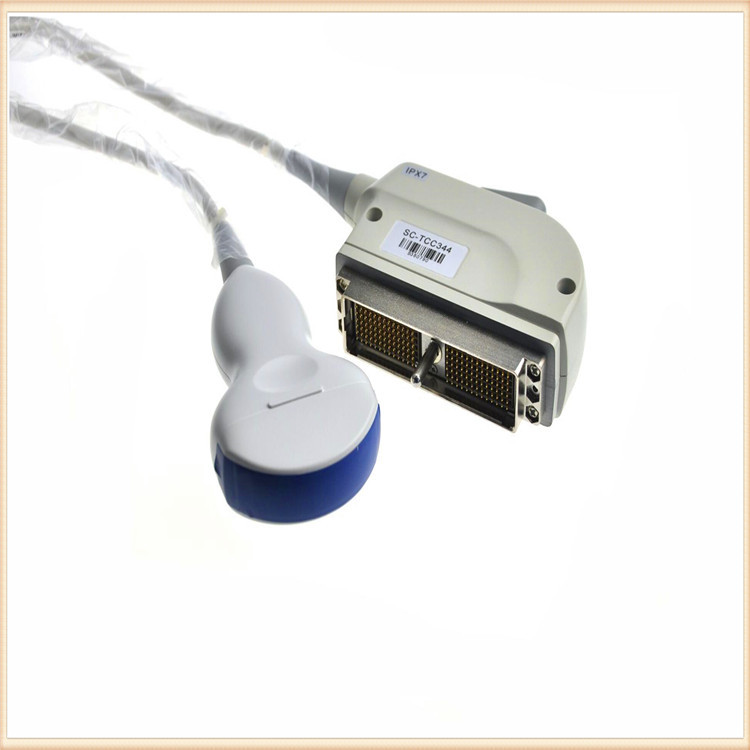
High-Performance Military Ultrasound Coaxial Cables: Built for Extreme Conditions Designed to meet the demanding requirements of military, aerospace, and medical applications, our Military-Grade Ultrasound Coaxial Cables deliver except.

Ultra-Flexible 42AWG Medical-Grade Coaxial Cables for High-Precision Ultrasound Imaging Designed for demanding medical imaging applications, our Ultra-Flexible 42AWG Coaxial Cables deliver exceptional signal integrity, noise reduction,.
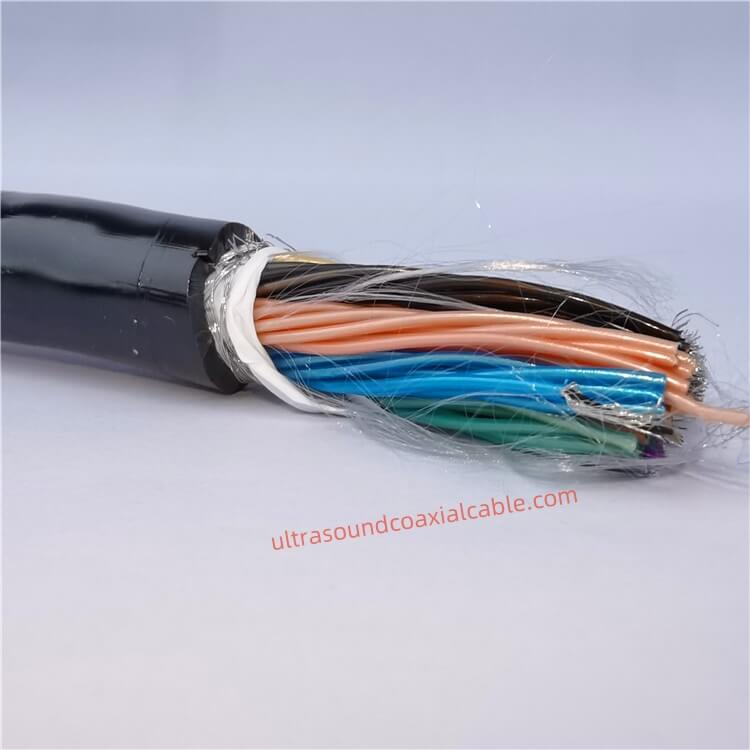
High-Performance Ultrasound Coaxial Cable Assembly: 42AWG to 30AWG, 6.6mm OD, 18GHz Bandwidth Engineered for precision in medical imaging and industrial applications, this customizable coaxial cable assembly delivers exceptional signal.
Feel free to reach out to us for any inquiries or orders.