How to troubleshoot common ultrasound coaxial cable problems? | High-Quality Ultrasound Coaxial Cable | ultrasound coaxial cable Manufacturer & Factory-FRS

How to troubleshoot common ultrasound coaxial cable problems?

How to Diagnose and Fix Common Ultrasound Coaxial Cable Issues: A Step-by-Step Guide​ Ultrasound coaxial cables are critical in medical… - Professional Ultrasound Coaxial Cable Solutions

Information

Learn more about, latest news, frequently asked questions

How to Diagnose and Fix Common Ultrasound Coaxial Cable Issues: A Step-by-Step Guide

Ultrasound coaxial cables are critical in medical imaging, industrial testing, and other precision applications. When these cables malfunction, they can lead to blurry images, signal loss, or even equipment downtime. Whether you’re a technician, engineer, or healthcare professional, knowing how to troubleshoot common issues can save time and prevent costly repairs. In this guide, we’ll break down the most frequent problems, their causes, and actionable solutions—backed by industry best practices and insights from leading brands like ​FRS, a trusted manufacturer of high-performance cables and assemblies.


1. Start with Visual Inspection: Catch Obvious Damage

The first step in troubleshooting any cable is a thorough visual check. Look for:

  • Physical damage: Cracks, cuts, or kinks in the outer jacket. Outdoor cables are prone to UV exposure, moisture, and rodent bites.
  • Connector issues: Loose or corroded BNC, F-type, or SMA connectors. Oxidation on metal contacts can disrupt signal transmission.
  • Shielding damage: Frayed braided shielding or exposed inner conductors, which expose the cable to electromagnetic interference (EMI).

FRS Tip: For medical or industrial environments, opt for cables with ​dual-shielded designs​ (e.g., FRS’s Micro Coaxial Assemblies) to resist harsh conditions.


2. Test Signal Integrity: Tools Every Technician Needs

If the cable passes the visual test but still underperforms, use these tools:

  • Multimeter: Check continuity between the center conductor and shield. Infinite resistance indicates a break; zero resistance suggests a short circuit.
  • TDR (Time Domain Reflectometer)​: Pinpoint faults locations with precision. A spike in the TDR graph might reveal water ingress, while a drop could signal a crushed section.
  • Signal generator and probe: Map the cable’s path and identify breaks or impedance mismatches.

Example Fix: If your ultrasound probe shows intermittent signal loss, a TDR might detect a tiny break near the connector—something a multimeter alone could miss .


3. Address Common Problems and Solutions

Problem 1: No Signal or Weak Signal

  • Likely cause: Broken center conductor, damaged shielding, or loose connectors.
  • Solution:
    • Re-terminate the connector using a ​compression tool​ (avoid crimping, which can degrade performance).
    • Replace the cable if the inner conductor is fractured. For high-frequency applications, FRS recommends ​RG6 Quad Shield cables​ for minimal signal loss .

Problem 2: Image Distortion or Noise

  • Likely cause: EMI from nearby devices (e.g., MRI machines, Wi-Fi routers) or poor shielding.
  • Solution:
    • Use shielded cables with ​95%+ braid coverage.
    • Route cables away from power lines or high-voltage equipment.
    • Install ferrite cores near the connector to filter noise .

Problem 3: Intermittent Failures

  • Likely cause: Loose connections, bent pins, or cracked insulation.
  • Solution:
    • Secure cables with ​strain relief boots​ to prevent stress on connectors.
    • Replace cables that bend beyond their minimum radius (e.g., 5x the cable diameter) .

4. Preventative Maintenance: Extend Cable Lifespan

  • Environmental protection: Use weatherproof seals for outdoor cables and avoid exposing them to extreme temperatures.
  • Regular inspections: Schedule monthly checks for wear, especially in high-traffic areas.
  • Proper storage: Coil cables loosely (figure-8 pattern) to avoid kinks. Avoid hanging them on sharp edges .

FRS Advantage: Our cables are engineered with ​flexible polyurethane jackets​ and ​helical copper shielding, making them ideal for repeated flexing in robotic or medical imaging systems.


5. When to Replace vs. Repair

ScenarioAction
Minor corrosion on connectorsClean with isopropyl alcohol and reseat
Exposed inner conductorReplace the cable (partial repairs risk future failures)
Persistent signal loss over long runsUpgrade to low-loss cables like ​FRS’s RG11​ or use amplifiers

Optimize Your Setup with FRS Coaxial Solutions

At ​FRS, we specialize in custom coaxial cables for ultrasound, industrial automation, and medical devices. Our products stand out with:

  • Military-grade durability: Resistant to abrasion, moisture, and extreme temperatures.
  • Precision shielding: Achieve 60 dB return loss for critical imaging applications.
  • Custom configurations: Need a specific AWG, length, or connector? We design cables to your exact specs.

Why Choose FRS?​

  • 20+ years of expertise in micro-coaxial manufacturing.
  • 100% electrical testing before delivery.
  • Global certifications (RoHS, UL, ISO 9001) for quality assurance.

Final Tips for Troubleshooting Success

  • Swap and test: Replace suspected cables with known-good ones to isolate issues.
  • Document findings: Keep records of repairs and replacements to spot recurring problems.
  • Invest in quality: Cheap cables save money upfront but cost more in downtime and repairs.

By following these steps and partnering with a reliable manufacturer like ​FRS, you can ensure your ultrasound systems operate at peak performance. For custom solutions or technical support, reach out to our team—we’re here to help you tackle even the toughest challenges!


Need high-performance coaxial cables tailored to your application? Contact FRS today for a free consultation!

Hot Selling Products

Discover our most popular furniture pieces that are loved by customers worldwide.
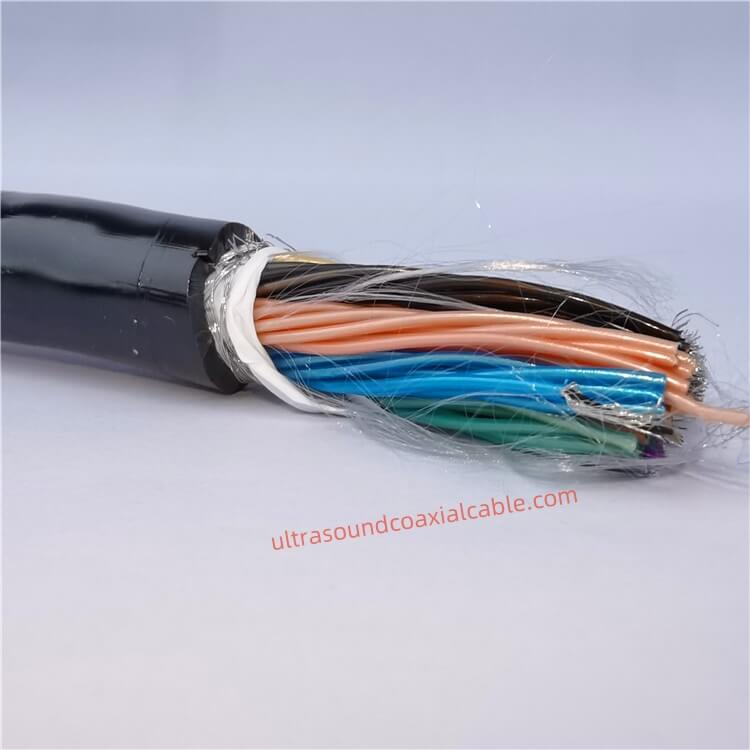
Customizable Ultrasound Coaxial Cable Assembly – 42AWG to 30AWG, 6.6mm OD, 18GHz Bandwidth

Customizable Ultrasound Coaxial Cable Assembly – 42AWG to 30AWG, 6.6mm OD, 18GHz Bandwidth

High-Performance Ultrasound Coaxial Cable Assembly: 42AWG to 30AWG, 6.6mm OD, 18GHz Bandwidth Engineered for precision in medical imaging and industrial applications, this customizable coaxial cable assembly delivers exceptional signal.
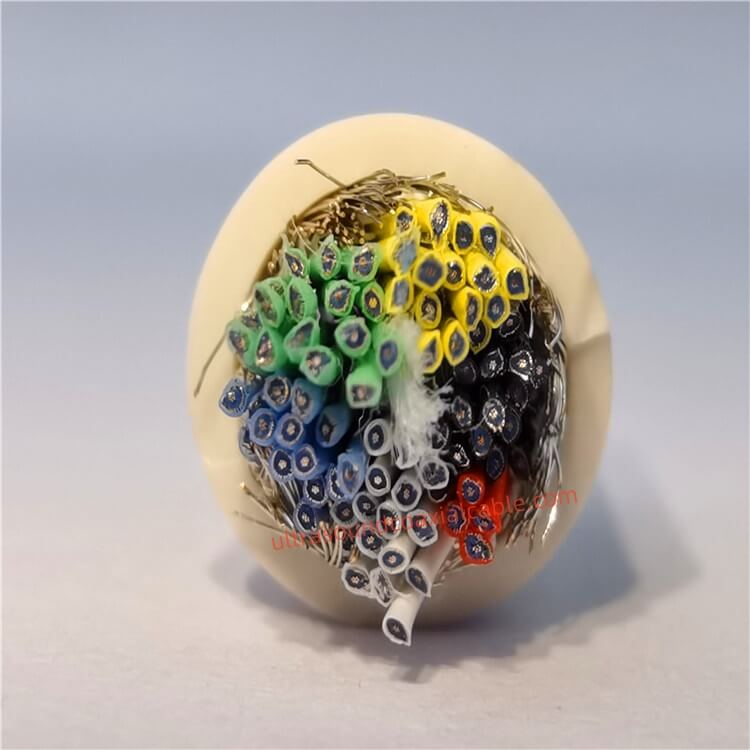
Ultrasound Coaxial Cable|High-Performance Signal Transmission for Precision Applications

Ultrasound Coaxial Cable|High-Performance Signal Transmission for Precision Applications

‌‌Product Overview‌The ‌Ultrasound Coaxial Cable‌ is a specialized cable engineered to deliver ultra-low signal loss, exceptional shielding, and unmatched durability in critical environments. Designed for medical imaging, industrial testi.
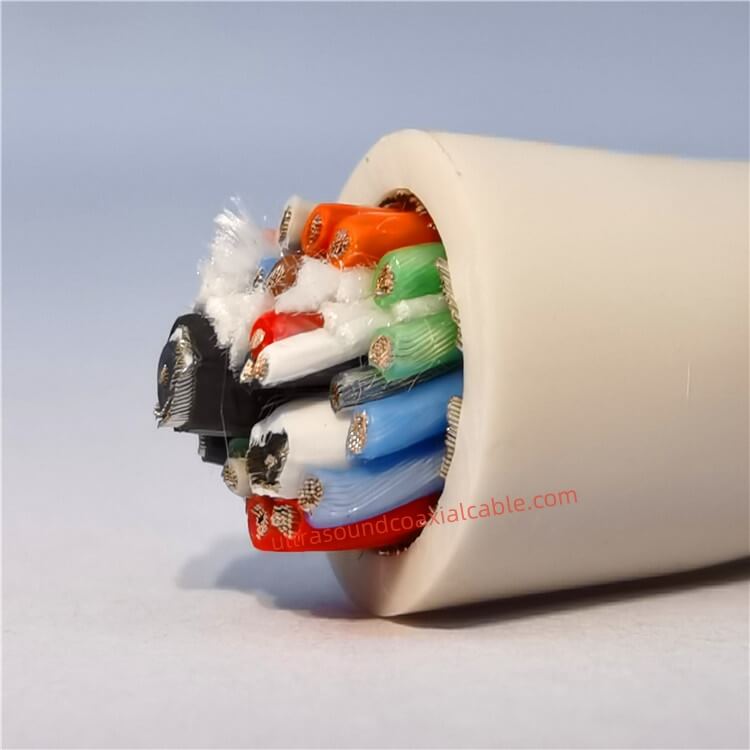
138-Core Medical Ultrasound Probe Coaxial Cable with 0.2mm Diameter – Biocompatible & FDA-Certified

138-Core Medical Ultrasound Probe Coaxial Cable with 0.2mm Diameter – Biocompatible & FDA-Certified

High-Precision 138-Core Medical Ultrasound Coaxial Cables | 0.2mm Ultra-Fine Biocompatible Design for Diagnostic Imaging Product Overview Engineered for advanced medical imaging systems, our 138-Core Medical Ultrasound Probe Coa.
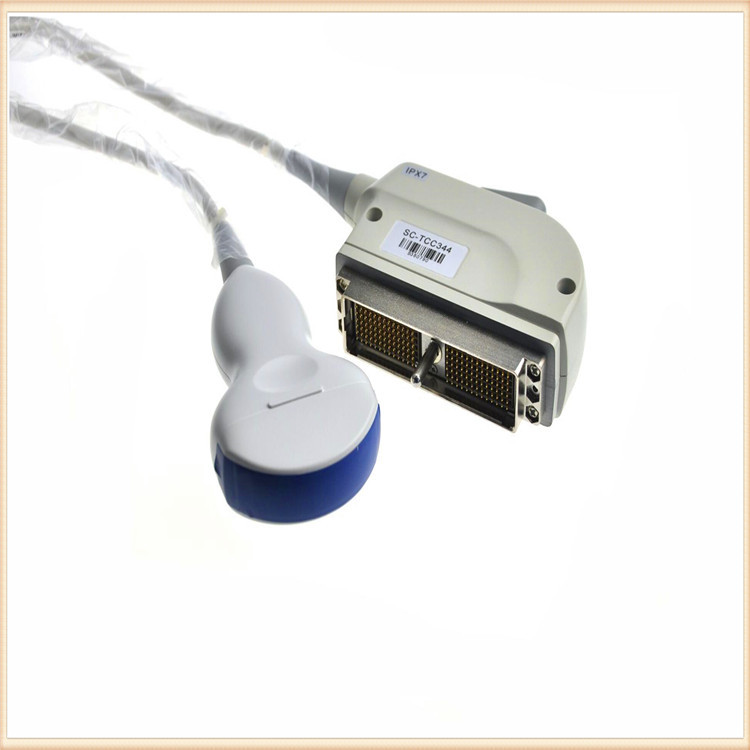
Military-Grade Ultrasound Coaxial Cable – High-Temperature Resistance, 100daN Compression Strength

Military-Grade Ultrasound Coaxial Cable – High-Temperature Resistance, 100daN Compression Strength

High-Performance Military Ultrasound Coaxial Cables: Built for Extreme Conditions Designed to meet the demanding requirements of military, aerospace, and medical applications, our Military-Grade Ultrasound Coaxial Cables deliver except.

Contact Us

Feel free to reach out to us for any inquiries or orders.

Call Us

Have a question? Give us a call!

                   +8618818785005(Whatsapp)

Email Us

Send us an email and we'll get back to you soon.

sales@custom-cable-assemblies.com
       
Home Products Contact