Protecting Ultrasound Coaxial Cables from Mechanical Damage in Industrial Settings Introduction Ultrasound coaxial cables are critical components in industrial applications… - Professional Ultrasound Coaxial Cable Solutions
Learn more about, latest news, frequently asked questions
Ultrasound coaxial cables are critical components in industrial applications such as non-destructive testing (NDT), medical imaging, and precision measurement systems. These specialized cables, designed to transmit high-frequency signals with minimal loss, face significant challenges in industrial environments where mechanical stress, abrasion, and environmental factors can compromise their integrity and performance. The vulnerability of these cables is particularly concerning given their role in critical applications where signal accuracy is paramount. According to industry assessments, mechanical damage accounts for approximately 60% of premature coaxial cable failures in industrial settings, leading to costly downtime and compromised data integrity .
Understanding how to properly protect these sophisticated components requires insight into their construction, the specific threats they encounter, and the strategic implementation of protective measures that preserve both their physical integrity and signal transmission capabilities. This comprehensive guide explores practical solutions for safeguarding your ultrasound coaxial cable investments in demanding industrial environments .
To effectively protect ultrasound coaxial cables, it’s essential to first understand their sophisticated construction. These cables feature a complex layered design beginning with a delicate inner conductor, typically made of silver-plated copper alloy in high-performance models. This conductor is surrounded by a dielectric insulator, often fluoropolymer, which maintains precise spacing and prevents signal leakage. The insulator is then protected by multiple shielding layers—usually a combination of spiral and braid shields—that defend against electromagnetic interference. Finally, an outer jacket, commonly PVC or specialized polymer, provides the first line of defense against physical damage .
The electrical specifications reveal why mechanical protection is so crucial. For instance, a typical 72-channel ultrasonic probe cable operates with a nominal impedance of 50 ohms at 10 MHz, with conductor resistance not exceeding 3.300 Ohm/km. Even minor damage to the internal components can significantly alter these parameters, leading to signal degradation, inaccurate readings, and ultimately system failure .
Constant rubbing against sharp edges, rough surfaces, or other cables is a primary concern in industrial settings. This friction gradually wears away the outer jacket, exposing the delicate internal layers to moisture, dust, and other contaminants. The problem exacerbates when cables are dragged across concrete floors, metal edges, or through conduit systems without proper protection .
In manufacturing facilities, cables frequently face compression from heavy equipment, being rolled over by carts, or pinched in machinery components. The unique construction of ultrasound coaxial cables, with their precise internal spacing, makes them particularly vulnerable to crushing forces that can deform the dielectric insulator or damage the inner conductor, irrevocably altering impedance characteristics .
Improper installation practices often lead to sharp bending beyond the cable’s minimum bend radius. This is especially problematic with multi-channel ultrasonic probe cables containing numerous delicate coaxial lines. Kinking not only risks damaging the internal conductors but can also create permanent impedance mismatches that cause signal reflections and degradation .
The connection points represent particularly vulnerable areas where mechanical stress concentrates. Repeated plugging/unplugging or constant tension on the cable-can connector junction can lead to broken connections, pin retraction, or compromised shielding integrity. Industry data indicates that approximately 40% of ultrasound coaxial cable failures originate at connector points .
Proper installation represents the first line of defense against mechanical damage. Implementing secure routing pathways away from high-traffic areas and potential hazards significantly reduces exposure to mechanical threats.
Adding supplemental protection layers significantly enhances cable durability in high-risk environments. Today’s market offers various protective solutions designed specifically for delicate coaxial cables.
Implementing structured cable management protocols extends cable lifespan and maintains signal integrity throughout the system’s operational life.
Certain industrial environments present exceptional challenges that require specialized protection strategies. These extreme conditions demand solutions that go beyond standard protective measures.
In environments with exposure to chemicals, oils, or moisture, standard cable jackets may deteriorate rapidly. For these applications, specify cables with chemical-resistant materials such as polyurethane or specialized elastomers. Additionally, ensure complete sealing at connection points using waterproof connectors and silicone sealants .
FRS chemical-resistant coaxial cables feature a proprietary nanocomposite barrier that provides exceptional protection against a wide range of industrial chemicals while maintaining flexibility and signal integrity. Independent testing has verified maintenance of signal integrity after 1,000 hours of exposure to industrial solvents .
Ultrasound systems in foundries, manufacturing processes, or energy applications may encounter elevated temperatures that standard cables cannot withstand. In these scenarios, specify cables with high-temperature insulation materials such as PTFE (polytetrafluoroethylene) or other fluoropolymers that maintain stability at temperatures exceeding 150°C .
Industrial settings with heavy machinery, variable frequency drives, and welding equipment generate significant electromagnetic interference that can compromise signal integrity. Enhanced shielding strategies are essential in these environments.
When selecting protection methods for ultrasound coaxial cables, compliance with relevant industry standards ensures performance, safety, and reliability. Key standards to consider include:
FRS ultrasound coaxial cables undergo comprehensive testing that exceeds these baseline standards, with documented mean time between failures (MTBF) of over 50,000 hours in continuous operation scenarios .
Implementing comprehensive protection for ultrasound coaxial cables represents an investment that yields substantial returns through reduced downtime, maintenance costs, and improved operational reliability.
Consider that the cost of a single hour of downtime in critical industrial applications can range from 10,000to50,000 depending on the industry, while a high-quality ultrasound coaxial cable represents a fraction of this amount. The implementation of proper protection strategies typically extends cable lifespan by 300-500%, representing a significant return on investment .
Furthermore, the cost of proactive protection measures generally amounts to less than 15% of the total system cost while reducing failure rates by up to 80%. This makes mechanical protection one of the most cost-effective investments in maintaining operational continuity .
As industrial applications evolve toward higher frequencies and greater data density, protection strategies must adapt to preserve signal integrity in next-generation systems. Emerging trends include:
FRS remains at the forefront of these developments, with several patented technologies currently in advanced testing phases that promise to revolutionize ultrasound coaxial cable protection in the coming years .
Protecting ultrasound coaxial cables from mechanical damage in industrial settings requires a multifaceted approach combining proper product selection, strategic installation, and ongoing maintenance. By understanding the specific threats these sophisticated components face and implementing the protection strategies outlined above, organizations can significantly extend cable lifespan, maintain signal integrity, and ensure the reliability of their critical ultrasound systems. The investment in comprehensive protection not only reduces downtime and maintenance costs but also supports the accurate data collection essential for quality control, safety assessments, and precision measurements across industrial applications.
Discover our most popular furniture pieces that are loved by customers worldwide.

High-Performance Flexible Coaxial Cable for Medical Imaging & Ultrasound Systems Designed for demanding applications in medical imaging, industrial diagnostics, and high-frequency signal transmission, this ultra-flexible coaxial ca.
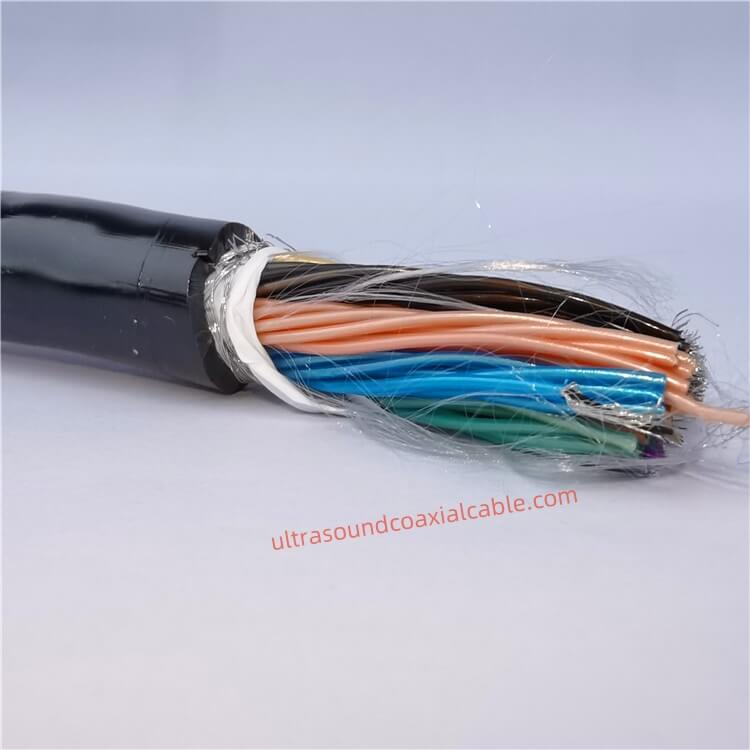
High-Performance Ultrasound Coaxial Cable Assembly: 42AWG to 30AWG, 6.6mm OD, 18GHz Bandwidth Engineered for precision in medical imaging and industrial applications, this customizable coaxial cable assembly delivers exceptional signal.

Ultra-Flexible 42AWG Medical-Grade Coaxial Cables for High-Precision Ultrasound Imaging Designed for demanding medical imaging applications, our Ultra-Flexible 42AWG Coaxial Cables deliver exceptional signal integrity, noise reduction,.
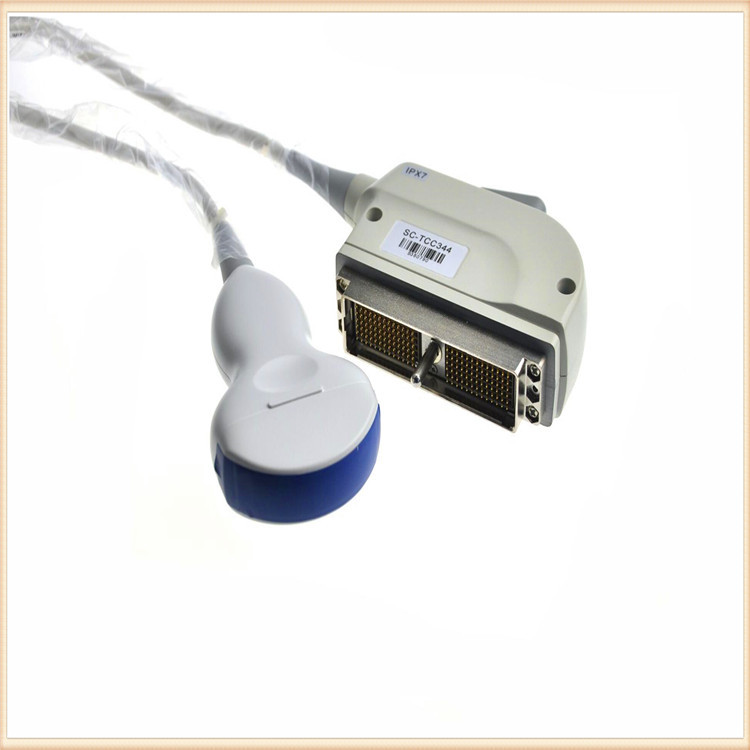
High-Performance Military Ultrasound Coaxial Cables: Built for Extreme Conditions Designed to meet the demanding requirements of military, aerospace, and medical applications, our Military-Grade Ultrasound Coaxial Cables deliver except.
Feel free to reach out to us for any inquiries or orders.