How to properly install an ultrasound coaxial cable? | High-Quality Ultrasound Coaxial Cable | ultrasound coaxial cable Manufacturer & Factory-FRS

How to properly install an ultrasound coaxial cable?

Mastering Ultrasound Coaxial Cable Installation: A Step-by-Step Guide for Optimal Performance​ Ultrasound coaxial cables are the unsung heroes of medical… - Professional Ultrasound Coaxial Cable Solutions

Information

Learn more about, latest news, frequently asked questions

Mastering Ultrasound Coaxial Cable Installation: A Step-by-Step Guide for Optimal Performance

Ultrasound coaxial cables are the unsung heroes of medical imaging, industrial diagnostics, and high-frequency signal transmission. Whether you’re repairing a medical device or upgrading an ultrasound system, proper installation ensures crystal-clear imaging, reliable data transfer, and long-term equipment longevity. This comprehensive guide dives into the essentials of installing ultrasound coaxial cables, addressing common challenges and offering actionable tips to elevate your workflow.


Why Ultrasound Coaxial Cables Matter

Ultrasound coaxial cables are engineered to handle high-frequency signals (up to GHz ranges) with minimal loss. Unlike standard cables, they feature precision shielding, low attenuation, and flexibility to withstand bending in tight spaces. For medical applications, biocompatibility and sterility are critical, while industrial users prioritize durability against abrasion and electromagnetic interference (EMI) .


Step 1: Assess the Application Requirements

Before diving into installation, clarify the cable’s purpose:

  • Medical Imaging: Ensure compliance with ISO 13485 and biocompatibility standards (e.g., ISO 10993). Micro-coaxial cables (e.g., 42AWG) are ideal for portable ultrasound probes due to their tiny diameter (0.2mm) and flexibility .
  • Industrial Use: Look for high-temperature resistance (up to 180°C) and oil/water resistance. Shielded cables with braided copper or tinned copper prevent signal leakage in harsh environments .

Key Metrics to Consider:

  • Frequency range (e.g., 1–18 GHz for high-end medical devices).
  • Insertion loss (measured in dB/m).
  • Shielding effectiveness (e.g., 90 dB for EMI-heavy environments).

Step 2: Gather Essential Tools and Materials

A well-stocked toolkit ensures a smooth installation:

  1. Cable Strippers: Precision tools to remove outer jackets without damaging inner conductors (e.g., for RG6 or RG59 cables).
  2. Compression Connectors: For secure, vibration-resistant terminations (superior to crimp connectors in high-stress scenarios).
  3. Multimeter: Verify continuity and detect breaks or shorts.
  4. Heat-Shrink Tubing: Protects spliced joints from moisture and abrasion.
  5. FRS-Certified Connectors: Brands like FRS specialize in medical-grade connectors with gold-plated contacts to minimize signal degradation .

Step 3: Prepare the Coaxial Cable

Cutting and Stripping:

  • Use a cable cutter to avoid kinks. Measure twice—cut once!
  • Strip the outer jacket (0.5–1 inch) using a coaxial stripper. Avoid scoring too deep, which could expose the braid.
  • For multi-conductor cables (e.g., 138-wire bundles), handle each conductor individually to prevent cross-talk .

Shielding Preparation:

  • Fold back the braided shield to expose the dielectric.
  • Trim excess braid to prevent bulkiness, which can interfere with connector seating.

Step 4: Install Connectors with Precision

For F-Type Connectors (Common in Medical Devices)​:

  1. Slide the Connector: Attach the connector to the stripped cable, ensuring the center conductor protrudes 1/4 inch.
  2. Secure with Compression Tool: Apply even pressure to lock the connector. Avoid overtightening, which risks damaging the dielectric.
  3. Test Continuity: Use a multimeter to confirm the center conductor and shield are properly connected .

For High-Density Medical Cables:

  • Micro-coaxial cables require specialized tools. FRS’ 42AWG cables, for example, demand laser-cut stripping to avoid conductor deformation .

Step 5: Route and Secure the Cable

  • Avoid Sharp Bends: Maintain a minimum bend radius (e.g., 10x cable diameter) to prevent conductor breakage.
  • Secure with Cable Ties: Space ties 6–12 inches apart to prevent sagging.
  • EMI Shielding: Ground the shield at one end only (typically the source) to avoid ground loops.

Pro Tip: In MRI machines or high-voltage environments, use non-magnetic stainless steel clips to eliminate interference .


Step 6: Test and Validate Performance

  1. Signal Integrity Check: Use a vector network analyzer (VNA) to measure insertion loss and return loss.
  2. Continuity Test: Confirm no breaks in the center conductor or shield.
  3. Environmental Testing: For medical cables, simulate autoclave cycles (121°C, 20–30 minutes) to validate durability .

Common Issues & Fixes:

  • Signal Dropout: Likely a loose connector—re-tighten or replace.
  • High Insertion Loss: Inspect for damaged dielectric or shield gaps.

Why Choose FRS for Ultrasound Coaxial Solutions?​

FRS stands out in the coaxial cable industry with innovations tailored to demanding applications:

  • Medical-Grade Flexibility: Their 0.2mm micro-coaxial cables are used in endoscopes and portable ultrasound devices, offering 42AWG flexibility without sacrificing signal strength .
  • Military-Grade Durability: FRS cables withstand extreme temperatures (-55°C to +180°C) and resist oil, fuel, and UV exposure.
  • Custom Solutions: Need a 138-wire bundle with 42AWG coax? FRS engineers collaborate with clients to design cables that fit unique specifications .

Conclusion: Elevate Your Ultrasound Setup Today

Properly installed ultrasound coaxial cables are the backbone of reliable diagnostics and industrial efficiency. By prioritizing precision in preparation, connector installation, and environmental resilience, you can ensure your equipment operates at peak performance. For mission-critical applications, trust FRS to deliver cables that meet the highest standards—whether you’re in a hospital, aerospace lab, or manufacturing facility.

Ready to Upgrade?​​ Explore FRS’ line of high-performance coaxial cables and connectors today, engineered to exceed expectations in even the toughest environments.


Keywords integrated for SEO: ultrasound coaxial cable installation, medical coaxial cable connectors, high-frequency signal transmission, FRS coaxial cables, flexible medical cables, industrial ultrasound cable solutions.

Hot Selling Products

Discover our most popular furniture pieces that are loved by customers worldwide.

High-Precision Ultrasound Coaxial Cable for Medical Imaging – Low Noise, Flexible Design, 42AWG

High-Precision Ultrasound Coaxial Cable for Medical Imaging – Low Noise, Flexible Design, 42AWG

Ultra-Flexible 42AWG Medical-Grade Coaxial Cables for High-Precision Ultrasound Imaging Designed for demanding medical imaging applications, our Ultra-Flexible 42AWG Coaxial Cables deliver exceptional signal integrity, noise reduction,.
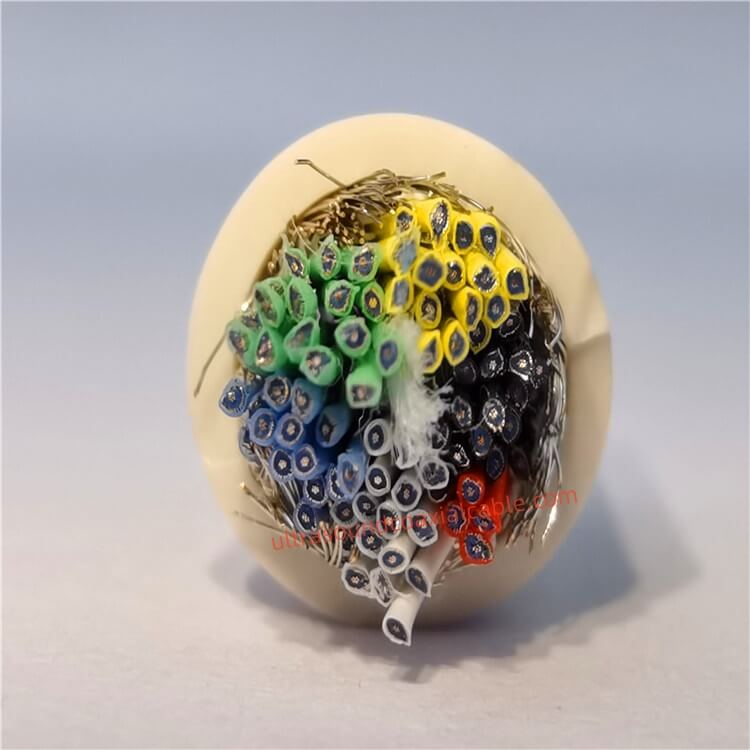
Ultrasound Coaxial Cable|High-Performance Signal Transmission for Precision Applications

Ultrasound Coaxial Cable|High-Performance Signal Transmission for Precision Applications

‌‌Product Overview‌The ‌Ultrasound Coaxial Cable‌ is a specialized cable engineered to deliver ultra-low signal loss, exceptional shielding, and unmatched durability in critical environments. Designed for medical imaging, industrial testi.
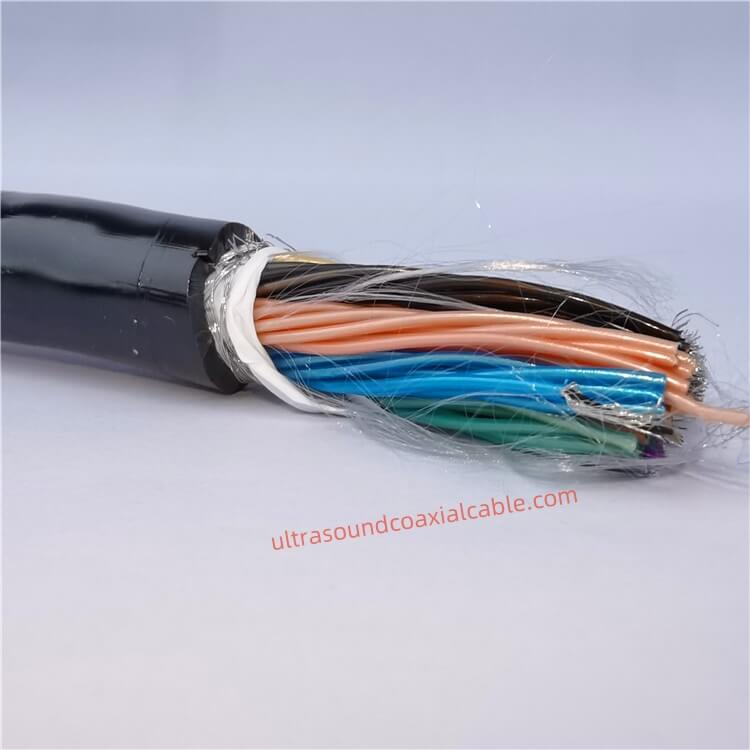
Customizable Ultrasound Coaxial Cable Assembly – 42AWG to 30AWG, 6.6mm OD, 18GHz Bandwidth

Customizable Ultrasound Coaxial Cable Assembly – 42AWG to 30AWG, 6.6mm OD, 18GHz Bandwidth

High-Performance Ultrasound Coaxial Cable Assembly: 42AWG to 30AWG, 6.6mm OD, 18GHz Bandwidth Engineered for precision in medical imaging and industrial applications, this customizable coaxial cable assembly delivers exceptional signal.
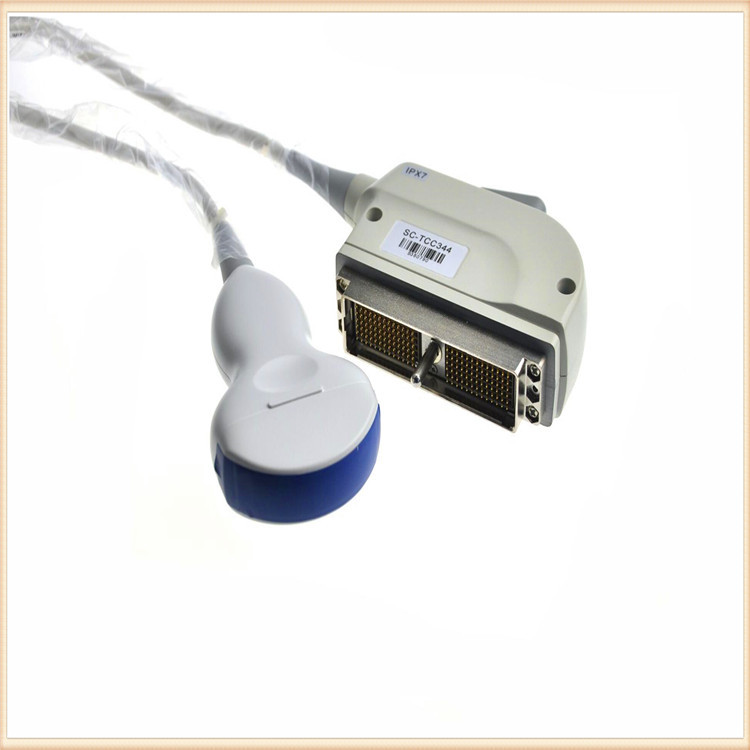
Military-Grade Ultrasound Coaxial Cable – High-Temperature Resistance, 100daN Compression Strength

Military-Grade Ultrasound Coaxial Cable – High-Temperature Resistance, 100daN Compression Strength

High-Performance Military Ultrasound Coaxial Cables: Built for Extreme Conditions Designed to meet the demanding requirements of military, aerospace, and medical applications, our Military-Grade Ultrasound Coaxial Cables deliver except.

Contact Us

Feel free to reach out to us for any inquiries or orders.

Call Us

Have a question? Give us a call!

                   +8618818785005(Whatsapp)

Email Us

Send us an email and we'll get back to you soon.

sales@custom-cable-assemblies.com
       
Home Products Contact