In demanding sectors ranging from medical diagnostics to industrial non-destructive testing (NDT), ultrasound coaxial cables serve as critical lifelines for… - Professional Ultrasound Coaxial Cable Solutions
Learn more about, latest news, frequently asked questions
In demanding sectors ranging from medical diagnostics to industrial non-destructive testing (NDT), ultrasound coaxial cables serve as critical lifelines for transmitting high-frequency signals with precision. These specialized components are engineered to perform under challenging conditions, yet their longevity is constantly tested in high-use environments where factors like constant flexing, chemical exposure, and extreme temperatures prevail. Understanding how to prevent premature failure in these scenarios is essential for maintaining system reliability, minimizing downtime, and reducing total cost of ownership.
Ultrasound coaxial cables are far more sophisticated than standard coaxial cables, featuring complex layered constructions designed to preserve signal integrity under mechanical stress. In medical imaging, cable failure can directly impact diagnostic accuracy, potentially leading to missed diagnoses or requiring repeated procedures. Industrial settings face even greater challenges, where cable failure in non-destructive testing applications can halt critical inspections, causing expensive downtime and potential safety hazards .
The statistics underscore the vulnerability: standard coaxial cables used in rigorous industrial ultrasound applications may see their functional lifespan reduced to just 2-5 years, whereas specialized industrial ultrasound coaxial cables can maintain reliable performance for 20-50 years despite similar conditions . This dramatic difference highlights the importance of proper selection, installation, and maintenance practices tailored to high-use environments.
The foundation of cable durability begins with advanced materials science. Industrial-grade ultrasound coaxial cables incorporate specialized components that differentiate them from standard alternatives:
FRS ultrasound coaxial cables exemplify this engineering approach with precision manufacturing that controls conductor tolerance to ±0.005mm, ensuring consistent performance that translates directly to extended service life even in the most challenging applications .
The Problem: Abrasion occurs when cables repeatedly rub against rough surfaces, sharp edges, or other cables, gradually wearing down the outer insulation until inner conductors become exposed, creating potential points of failure .
Prevention Solutions: Specify cables with abrasion-resistant jackets made from materials like polyurethane or thermoplastic polyurethane (TPU). In high-friction areas, add protective sleeving or conduit around cables. Proper securing using cable ties, clamps, or raceways minimizes movement and unnecessary wear . FRS addresses these challenges through material science innovations, including medical-grade silicones and polyurethane jackets that resist abrasion .
The Problem: Repeated bending and flexing, especially in dynamic applications like robotic arms or portable medical equipment, can cause internal conductors to fatigue and break over time .
Prevention Solutions: Invest in high-flex cables specifically rated for continuous movement. Adhere to manufacturer-recommended bend radius guidelines during installation to prevent excessive stress. Implement cable carriers or tracks to guide cables through repetitive movements systematically. FRS ultrasound coaxial cables are validated for over 10,000 flex cycles, significantly exceeding standard cable capabilities .
The Problem: Cables exposed to chemicals, oils, solvents, or harsh environmental conditions may suffer jacket deterioration, eventually exposing internal components to damaging substances .
Prevention Solutions: Select cables with chemical-resistant jackets made from materials like polyethylene or fluoropolymer. When possible, run cables through protective conduit systems to shield them from direct exposure. Implement regular inspections in chemical environments to identify early signs of jacket degradation. FRS cables incorporate specialized material formulations that resist coolants, oils, and industrial chemicals common in manufacturing environments .
The Problem: Temperature extremes compromise cable performance—cold makes materials brittle and prone to cracking, while heat can soften or melt insulation .
Prevention Solutions: Choose cables specifically engineered for temperature extremes. Cold-impact-resistant cables prevent brittleness in freezing conditions, while heat-resistant cables made with silicone or fluoropolymers withstand high-temperature environments. Consider additional insulation or protective conduits in severe environments. FRS cables with fluoropolymer insulation maintain performance across a wide temperature range from -40°C to 150°C, accommodating thermal cycling alongside mechanical stress .
The Problem: Beyond physical degradation, cables can fail functionally through signal degradation, where impedance mismatches, shielding breaches, or conductor damage diminish transmission quality .
Prevention Solutions: Select cables with stable impedance characteristics (typically 50Ω ± 2Ω) and low attenuation (<0.15 dB/m at 1 GHz). Ensure proper connector installation and periodic testing of signal transmission quality. FRS cables maintain precise electrical properties through advanced engineering that preserves signal fidelity even after years of service .
The Problem: Connection points represent vulnerable failure points where improper termination, corrosion, or physical stress can compromise the entire cable assembly .
Prevention Solutions: Use high-quality connectors with gold-plated contacts and robust strain relief features. Ensure proper installation techniques and periodic inspection of connection points. Implement protective boots or strain relief systems at termination points. The COMFORT NX platform addresses this vulnerability through automated termination processes that enhance reliability .
International standards certification serves as an objective indicator of cable durability and performance. Compliance with standards such as ISO 13485 for quality management systems, IEC 60601 for electrical safety and EMC, and material restrictions like RoHS/REACH demonstrates a manufacturer’s commitment to product reliability . These certifications ensure cables meet rigorous testing protocols for flex life, signal stability, and environmental resistance.
For medical applications, ISO 10993 biocompatibility certification ensures materials are safe for patient contact, while industrial applications benefit from compliance with ASTM F2945-20 for mechanical stress resistance . FRS integrates compliance considerations from initial design through production, with cleanroom manufacturing environments and 100% quality inspection ensuring consistent performance .
In medical environments, cables face unique challenges including frequent flexing during procedures, repeated sterilization cycles, and the need for patient safety. Portable ultrasound systems particularly benefit from advanced coaxial cables that balance flexibility with signal integrity. The global ultrasound coaxial cable market, projected to reach approximately $850 million by 2033, reflects growing recognition of these components’ critical role in diagnostic accuracy .
FRS medical-grade cables are engineered to withstand thousands of flex cycles and maintain signal integrity after repeated sterilization, ensuring reliable performance throughout the device’s operational lifespan. This reliability is particularly crucial in emerging applications like elastography and 3D/4D imaging, which demand higher bandwidth and superior signal fidelity .
Industrial ultrasound applications present some of the most challenging environments for coaxial cables. From oil and gas pipeline inspections requiring temperature resistance up to 150°C to manufacturing settings with constant exposure to coolants and mechanical stress, industrial cables must outperform standard alternatives by orders of magnitude .
In these applications, cable failure can necessitate costly shutdowns or create safety hazards. FRS addresses these challenges through robust construction techniques and materials validated for extreme conditions. Case studies in electric vehicle production demonstrated that integrating specialized FRS cables reduced false readings by 30% while significantly extending maintenance intervals .
Wind turbine blade inspections using ultrasound technology require cables that resist vibration, moisture, and temperature variations while operating at height. The extended service life of specialized industrial ultrasound cables makes them ideal for these applications, where cable replacement involves significant access challenges and costs. With global wind energy capacity projected to double by 2030, maintenance protocols will increasingly drive demand for reliable cables .
FRS approaches cable engineering with a lifecycle perspective, designing solutions that withstand not just initial installation conditions but decades of operational challenges. Our ultrasound coaxial cables incorporate patented shielding technologies that optimize signal-to-noise ratio while maintaining flexibility essential for high-use environments .
The FRS DuraFlex Vibration-Resistant Series exemplifies this approach with a multi-layered construction specifically engineered for challenging industrial applications. The double-shielded design combines a spiral shield with 90% coverage and a braid shield at 85% nominal coverage, maintaining EMI protection even under continuous vibration . This technical superiority translates directly to extended service life and reduced total cost of ownership, particularly in applications where cable failure would halt production lines or compromise inspection data quality.
Even the most robust cables benefit from structured maintenance programs that identify issues before they lead to failure. Implement these practices to maximize cable lifespan:
Documented maintenance protocols not only extend cable lifespan but also provide valuable data for predicting replacement intervals and optimizing inventory management. This proactive approach is particularly valuable in critical applications where unexpected cable failure would have significant operational consequences.
While specialized ultrasound coaxial cables typically involve a higher initial investment than standard options, their extended service life translates to significantly lower total cost of ownership. The reduced frequency of cable replacements, minimized system downtime, and maintenance cost reductions deliver substantial long-term value, particularly in large-scale or critical applications .
In high-use environments where cable failure carries operational, financial, or safety implications, investing in engineered solutions like FRS ultrasound coaxial cables provides not just product superiority but operational assurance. As ultrasound technology advances toward higher frequencies, miniaturization, and increased automation, this reliability advantage will become increasingly critical across medical, industrial, and emerging application sectors.
Discover our most popular furniture pieces that are loved by customers worldwide.

High-Performance Flexible Coaxial Cable for Medical Imaging & Ultrasound Systems Designed for demanding applications in medical imaging, industrial diagnostics, and high-frequency signal transmission, this ultra-flexible coaxial ca.
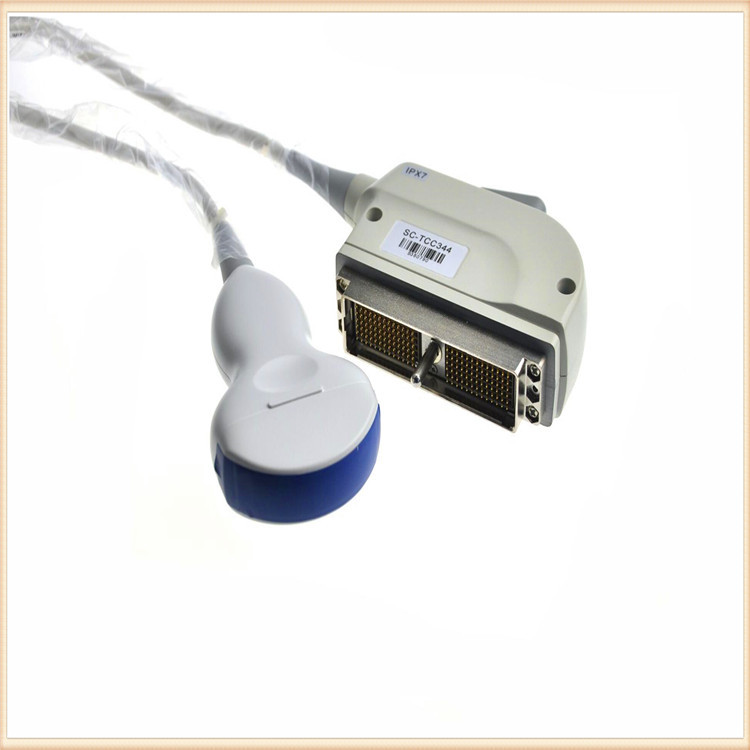
High-Performance Military Ultrasound Coaxial Cables: Built for Extreme Conditions Designed to meet the demanding requirements of military, aerospace, and medical applications, our Military-Grade Ultrasound Coaxial Cables deliver except.
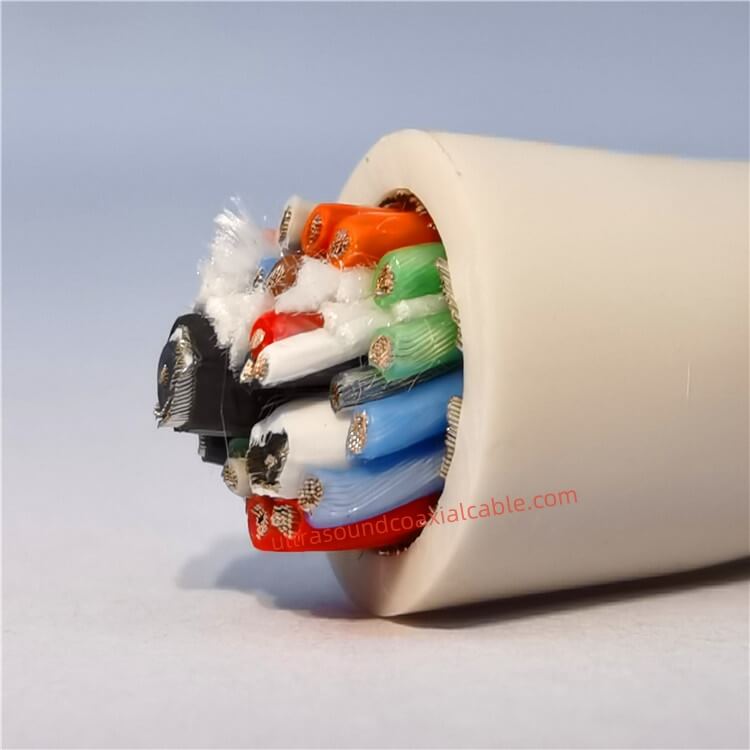
High-Precision 138-Core Medical Ultrasound Coaxial Cables | 0.2mm Ultra-Fine Biocompatible Design for Diagnostic Imaging Product Overview Engineered for advanced medical imaging systems, our 138-Core Medical Ultrasound Probe Coa.
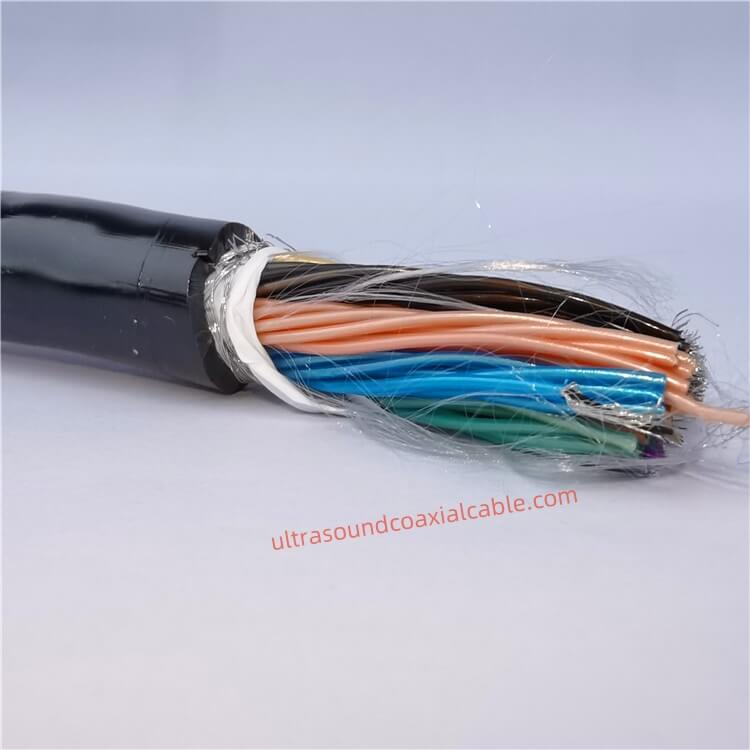
High-Performance Ultrasound Coaxial Cable Assembly: 42AWG to 30AWG, 6.6mm OD, 18GHz Bandwidth Engineered for precision in medical imaging and industrial applications, this customizable coaxial cable assembly delivers exceptional signal.
Feel free to reach out to us for any inquiries or orders.