A bent ultrasound coaxial cable can bring medical diagnostics to a complete halt. These specialized cables are the lifelines of… - Professional Ultrasound Coaxial Cable Solutions
Learn more about, latest news, frequently asked questions
A bent ultrasound coaxial cable can bring medical diagnostics to a complete halt. These specialized cables are the lifelines of ultrasound systems, transmitting critical data from the transducer to the imaging equipment. When damaged, they can cause image artifacts, signal loss, or complete system failure, disrupting patient care and creating significant operational challenges for healthcare facilities. Understanding how to properly address these issues is crucial for maintaining the reliability and accuracy of medical imaging systems.
Unlike standard coaxial cables used for television or internet, ultrasound coaxial cables are precision-engineered components designed for medical applications. They transmit high-frequency signals from the transducer to the ultrasound machine, where they’re processed into diagnostic images. What sets them apart is their sophisticated construction and stringent performance requirements.
While standard coaxial cables typically contain a single central conductor, ultrasound cables often incorporate multiple micro-miniature coaxial cables within one protective outer jacket. A typical ultrasound probe cable may contain dozens to hundreds of individual coaxial lines, each thinner than a human hair, all working in concert to create detailed images of internal anatomy . This complex design makes them particularly vulnerable to damage from bending, crushing, or twisting.
The medical industry relies on specialized coaxial cables that meet specific regulatory standards including FDA requirements, ISO 13485 for quality management systems, and IEC 60601 for electrical safety. FRS Medical Cables, for instance, engineers its ultrasound coaxial solutions to exceed these industry benchmarks, incorporating medical-grade materials that withstand repeated sterilization cycles while maintaining signal integrity.
Recognizing the symptoms of cable damage early can prevent more extensive system failures. Here are the primary indicators of a compromised ultrasound coaxial cable:
Diagnostic testing can confirm cable issues. Ultrasound systems often have built-in self-test routines that can identify transducer and cable problems. Additionally, a multimeter can check for continuity breaks, though this requires expertise to avoid damaging sensitive components .
Before attempting any repair, a systematic assessment is essential to accurately diagnose the issue:
For cables with minor bending where internal damage may be minimal, these techniques may restore functionality:
If a sharp bend has occurred but conductors remain intact, carefully straighten the cable and support it with specialized medical-grade strain reliefs. Avoid over-straightening, which may worsen internal breaks. The goal is to redistribute mechanical stress along a longer, gentler curve .
For areas with compromised outer jackets but potentially functioning internal conductors, consider applying medical-grade silicone tape or heatshrink. These materials provide environmental protection without introducing contaminants that might interfere with sterilization or patient safety .
Critical Safety Note: These temporary measures should only be implemented following your facility’s medical device maintenance protocols. Always err on the side of caution when patient diagnostics are involved.
Certain damage scenarios require professional intervention:
FRS Medical Cables offers specialized ultrasound cable repair services with typical turnaround times of 7-10 business days. Our certified technicians work in ISO-certified facilities, using original-grade materials to restore cables to manufacturer specifications, often at a fraction of replacement cost .
Preventive measures significantly extend cable lifespan and maintain image quality:
FRS offers customizable cable reinforcement kits with additional strain relief boots and abrasion-resistant sleeves. These proactive solutions can extend cable lifespan by up to 40% based on clinical studies, reducing total cost of ownership for healthcare facilities .
FRS Medical Cables has developed specialized solutions for common ultrasound cable issues:
Our DuraFlex ultrasound coaxial cables incorporate advanced shielding technologies with a minimum 30,000-flex cycle rating, significantly exceeding standard medical cables. The proprietary micro-filament design maintains signal integrity even in high-use environments like busy ultrasound departments .
For facilities in high-interference environments, our ShieldGuard series provides 360-degree electromagnetic protection, reducing image artifacts from nearby medical equipment. Independent verification shows a 25dB improvement in signal-to-noise ratio compared to standard medical cables .
The decision between repairing and replacing damaged ultrasound cables involves several factors:
| Consideration | Repair | Replacement |
|---|---|---|
| Cost | Typically 30-50% of replacement cost | 100% of new cable price |
| Downtime | 7-10 business days for professional repair | Immediate if in stock |
| Longevity | 70-80% of original cable lifespan | 100% new cable lifespan |
| Warranty | Typically 6-12 months on repairs | Manufacturer’s full warranty |
FRS provides transparent cost-benefit analysis to help healthcare facilities make informed decisions based on cable age, usage patterns, and clinical requirements .
A bent ultrasound coaxial cable doesn’t have to mean permanent system downtime. Through careful assessment, appropriate temporary measures, and professional repair solutions, many cables can be restored to full diagnostic capability. However, prevention remains the most cost-effective strategy, with proper handling and storage protocols significantly extending cable service life.
For facilities relying on ultrasound diagnostics, establishing a relationship with a trusted medical cable specialist provides access to expert repair services, high-quality replacements, and preventive solutions that maximize equipment uptime and diagnostic confidence.
Discover our most popular furniture pieces that are loved by customers worldwide.
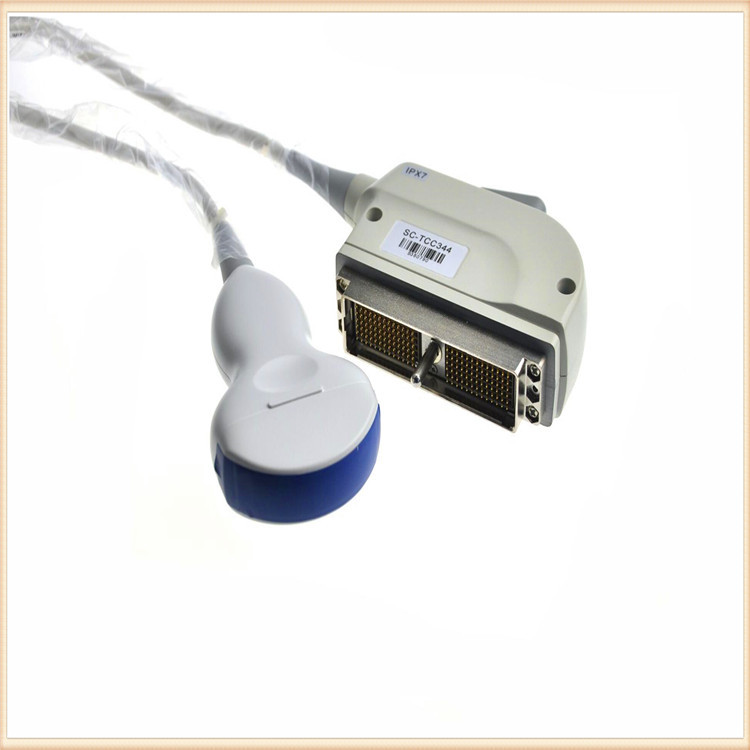
High-Performance Military Ultrasound Coaxial Cables: Built for Extreme Conditions Designed to meet the demanding requirements of military, aerospace, and medical applications, our Military-Grade Ultrasound Coaxial Cables deliver except.
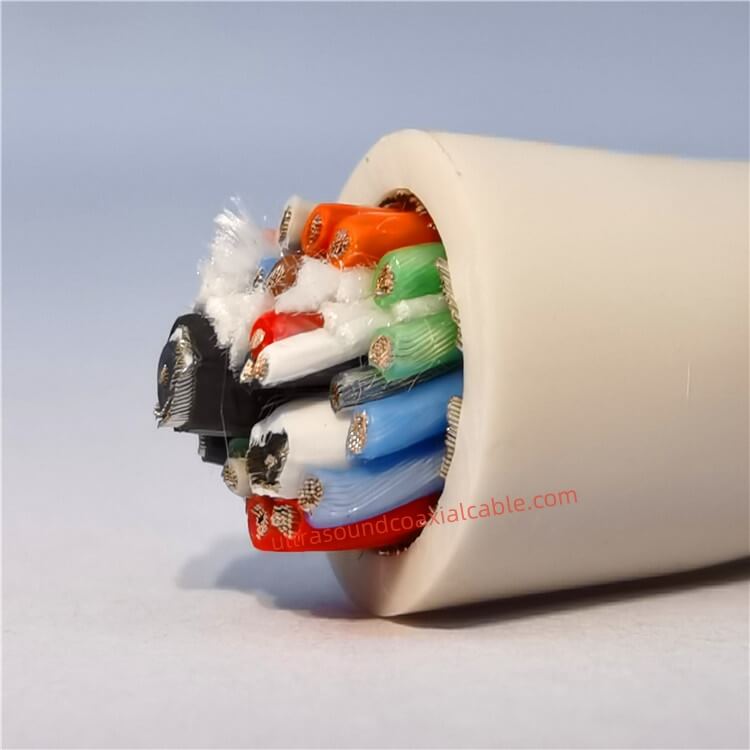
High-Precision 138-Core Medical Ultrasound Coaxial Cables | 0.2mm Ultra-Fine Biocompatible Design for Diagnostic Imaging Product Overview Engineered for advanced medical imaging systems, our 138-Core Medical Ultrasound Probe Coa.
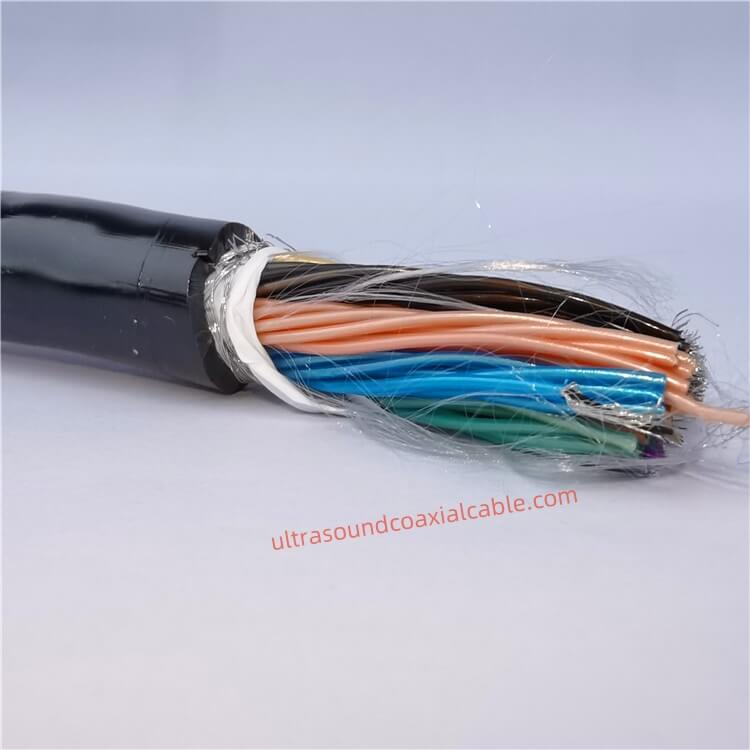
High-Performance Ultrasound Coaxial Cable Assembly: 42AWG to 30AWG, 6.6mm OD, 18GHz Bandwidth Engineered for precision in medical imaging and industrial applications, this customizable coaxial cable assembly delivers exceptional signal.

High-Performance Flexible Coaxial Cable for Medical Imaging & Ultrasound Systems Designed for demanding applications in medical imaging, industrial diagnostics, and high-frequency signal transmission, this ultra-flexible coaxial ca.
Feel free to reach out to us for any inquiries or orders.