Selecting the appropriate medical grade ultrasound coaxial cable is a critical decision that directly impacts diagnostic accuracy, equipment reliability, and… - Professional Ultrasound Coaxial Cable Solutions
Learn more about, latest news, frequently asked questions
Selecting the appropriate medical grade ultrasound coaxial cable is a critical decision that directly impacts diagnostic accuracy, equipment reliability, and patient safety. This comprehensive guide provides medical equipment manufacturers and healthcare providers with the technical knowledge and practical insights needed to make informed decisions when specifying ultrasound coaxial cables for their systems.
Medical grade ultrasound coaxial cables are specialized components designed to transmit high-frequency signals between ultrasound transducers and processing units while maintaining exceptional signal integrity. Unlike standard coaxial cables, these medical-grade solutions must meet stringent regulatory requirements, withstand repeated sterilization cycles, and ensure patient safety through biocompatible materials and robust construction. The global ultrasound coaxial cable market is experiencing steady growth, projected to reach 800millionto1.1 billion by 2030, driven by increasing adoption of medical ultrasound technology and healthcare infrastructure expansion in emerging economies.
The most critical parameter for ultrasound coaxial cables is characteristic impedance, typically 50Ω or 75Ω. Proper impedance matching ensures minimal signal reflection and maximum power transfer between the transducer and processing unit. Medical imaging systems require cables with impedance stability of ±1% across the operational frequency range (typically 2-20 MHz for diagnostic ultrasound).
Performance Metrics to Evaluate:
Medical environments are filled with electromagnetic interference from MRI machines, wireless devices, and other medical equipment. Triple-layer shielding (braid+foil+dielectric composite) provides up to 120dB EMI attenuation, significantly reducing noise and ghosting in ultrasound images. Double-shielded cables offer 3× better EMI resistance than single-shielded alternatives, making them essential for crowded clinical settings.
Modern ultrasound systems operate across a wide frequency spectrum, with high-end systems reaching up to 18 MHz for detailed tissue imaging. Cables must support bandwidth from 0-6 GHz to accommodate current and future imaging requirements without signal degradation. Higher frequency applications (7-15 MHz) require cables with minimal signal attenuation to maintain imaging clarity.
High-purity copper conductors provide excellent conductivity and flexibility, while tinned copper strands offer enhanced oxidation resistance. Silver-plated copper conductors improve signal speed but increase cost. For medical applications, pure copper cores ensure safety for human contact and compliance with medical standards.
PTFE (polytetrafluoroethylene) dielectrics offer low dielectric constant (2.1 @ 1GHz) and minimal signal loss at high frequencies. Polyethylene foam insulation provides excellent electrical properties with tight dielectric tolerances (<±2%) for consistent performance. These materials maintain stability across the operating temperature range (-40°C to +105°C) and withstand repeated sterilization cycles.
Medical-grade polyurethane or silicone jackets provide durability, flexibility, and compliance with ISO 10993-5 biocompatibility standards. These materials resist autoclave, ethylene oxide (EtO), and chemical sterilization processes without performance degradation. UV-resistant PVC jackets are suitable for industrial applications but may not meet medical biocompatibility requirements.
Medical coaxial cables must adhere to stringent regulatory standards to ensure patient and operator safety. Key certifications include:
FRS medical coaxial cables maintain full compliance with these standards, providing comprehensive documentation including material declarations and test reports that simplify regulatory submissions for medical device manufacturers.
For diagnostic imaging applications, 138-core medical ultrasound probe coaxial cables with 0.2mm ultra-thin diameter enable precise maneuverability in confined anatomical spaces. These cables feature low capacitance (50 pF/m) to reduce signal loss and 95% braid coverage for EMI protection. They withstand 10,000+ bending cycles without cracking, ensuring reliability in high-use clinical settings.
Portable and handheld ultrasound devices require ultra-flexible cables with small bend radius (≤25mm dynamic, 15mm static) and lightweight construction. 42-44 AWG stranded conductors provide the necessary flexibility while maintaining signal integrity. These cables must withstand 3kg tensile strength for field use and repeated coiling/uncoiling.
Non-destructive testing (NDT) in aerospace and automotive sectors demands cables with high-temperature resistance, chemical resistance, and robust mechanical properties. Semi-rigid designs provide lower attenuation but reduced flexibility, making them suitable for fixed installations.
The global ultrasound coaxial cable market is projected to grow at a compound annual growth rate (CAGR) of 5-7% over the next five to seven years. North America currently leads the market, driven by advanced healthcare systems and significant investments in medical technology. The Asia-Pacific region shows particularly strong growth potential, with a projected CAGR of 12.5%, fueled by healthcare infrastructure expansion and increasing demand for diagnostic imaging equipment.
Emerging Technological Trends:
Poor shielding and improper impedance matching can lead to signal degradation, ghosting, and reduced diagnostic accuracy. Solution: Implement triple-layer shielding with 120dB EMI attenuation and ensure impedance matching within ±1%.
Repeated bending and sterilization cycles can cause cable cracking and connector wear. Solution: Use reinforced connector interfaces that withstand 10,000+ bending cycles and materials that survive 1,000+ autoclave cycles.
Medical device manufacturers require comprehensive documentation for regulatory submissions. Solution: Partner with manufacturers that provide full material declarations, test reports, and batch-level certification.
Balancing initial cost with long-term reliability is challenging. Solution: Evaluate total cost of ownership, including lifespan, maintenance requirements, and potential downtime costs.
FRS medical coaxial cables combine technical expertise with industry insights to deliver customized solutions for specific applications. Our engineering team collaborates with OEMs to design cables with specific impedance (50/75 Ω), voltage ratings (30-1,000V), and termination types (SMP, SMB, LC). With ISO-certified facilities, we deliver bulk orders (up to 1M meters/month) without compromising quality.
Key Differentiators:
Request sample cables for attenuation and EMI testing before committing to large orders. For niche applications (e.g., underwater imaging), discuss material compatibility with manufacturers. Ensure cables undergo 100% hipot testing (1500VAC/1min) and phase stability testing over multiple flex cycles.
Partner with manufacturers that implement multi-tier verification systems, conduct regular supplier audits, and provide batch-level material verification. Advanced traceability systems should document compliance at each production stage.
The ultrasound coaxial cable industry continues to evolve with increasing channel counts (198-core or higher configurations), material innovations (fluoropolymer-insulated cables with 20% higher flexibility), and hybrid designs combining multiple cable types within single jackets. The integration of artificial intelligence (AI) and machine learning in ultrasound analysis is indirectly driving demand for higher quality, more reliable data transmission, further emphasizing the importance of high-performance coaxial cables.
By understanding the technical parameters, application requirements, and compliance landscape, medical equipment manufacturers can make informed decisions that enhance system performance and reliability. FRS engineered coaxial solutions provide the precision, durability, and certification compliance that medical imaging applications demand, supported by extensive application expertise and customizable design capabilities.
Discover our most popular furniture pieces that are loved by customers worldwide.

High-Performance Flexible Coaxial Cable for Medical Imaging & Ultrasound Systems Designed for demanding applications in medical imaging, industrial diagnostics, and high-frequency signal transmission, this ultra-flexible coaxial ca.
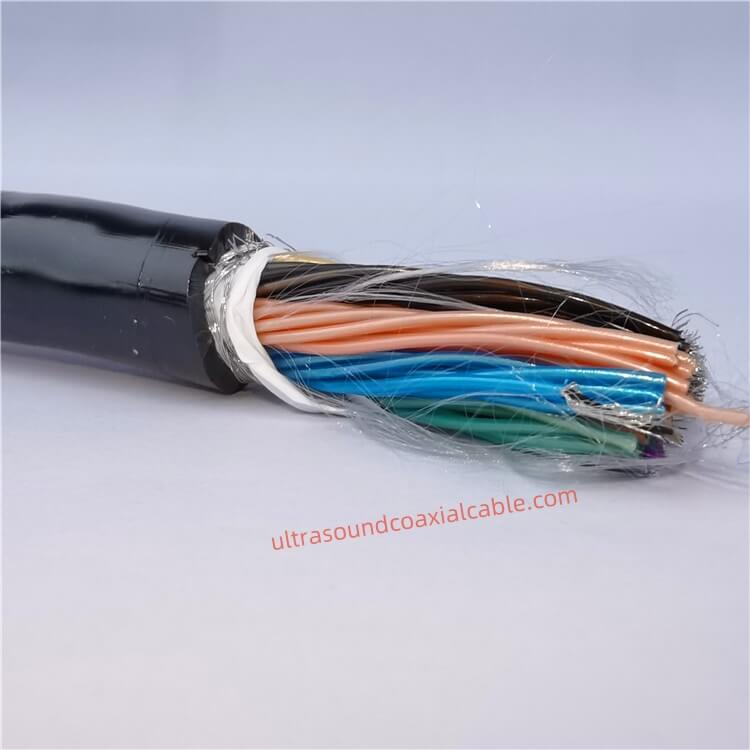
High-Performance Ultrasound Coaxial Cable Assembly: 42AWG to 30AWG, 6.6mm OD, 18GHz Bandwidth Engineered for precision in medical imaging and industrial applications, this customizable coaxial cable assembly delivers exceptional signal.
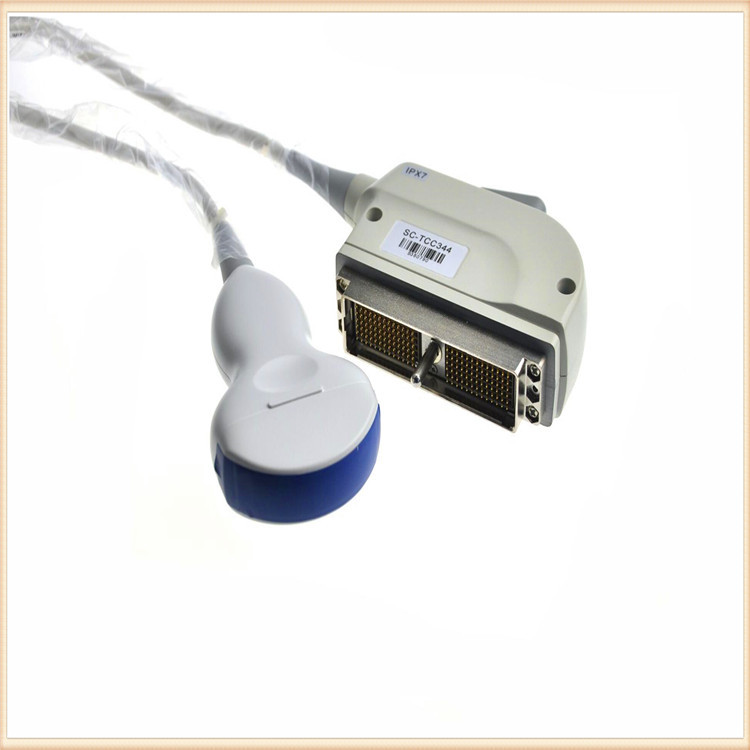
High-Performance Military Ultrasound Coaxial Cables: Built for Extreme Conditions Designed to meet the demanding requirements of military, aerospace, and medical applications, our Military-Grade Ultrasound Coaxial Cables deliver except.
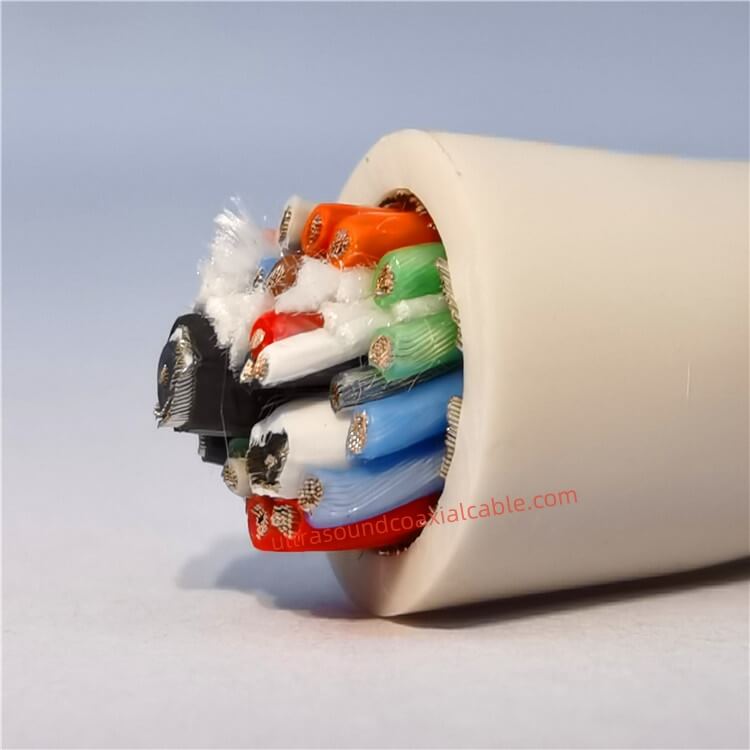
High-Precision 138-Core Medical Ultrasound Coaxial Cables | 0.2mm Ultra-Fine Biocompatible Design for Diagnostic Imaging Product Overview Engineered for advanced medical imaging systems, our 138-Core Medical Ultrasound Probe Coa.
Feel free to reach out to us for any inquiries or orders.