How often should I inspect my ultrasound coaxial cables? | High-Quality Ultrasound Coaxial Cable | ultrasound coaxial cable Manufacturer & Factory-FRS

How often should I inspect my ultrasound coaxial cables?

How to Ensure Peak Performance of Your Ultrasound Coaxial Cables: A Comprehensive Guide​ Ultrasound coaxial cables are the unsung heroes… - Professional Ultrasound Coaxial Cable Solutions

Information

Learn more about, latest news, frequently asked questions

How to Ensure Peak Performance of Your Ultrasound Coaxial Cables: A Comprehensive Guide

Ultrasound coaxial cables are the unsung heroes of medical imaging and industrial diagnostics. Whether you’re performing routine scans or troubleshooting complex systems, maintaining these cables is critical to ensuring accurate results and avoiding costly downtime. But how often should you inspect them? What signs indicate potential issues? And how can you extend their lifespan? This guide dives into practical tips, industry standards, and proactive strategies to keep your ultrasound coaxial cables operating at their best—backed by insights from professionals and technical guidelines.


Why Inspection Matters

Ultrasound coaxial cables transmit high-frequency signals between probes and imaging systems. Over time, wear and tear, environmental factors, or improper handling can degrade their performance, leading to signal loss, image distortion, or even equipment failure. Regular inspections help:

  • Prevent signal degradation: Damaged shielding or cracked insulation can introduce noise, reducing image clarity .
  • Avoid costly repairs: Identifying issues early saves money compared to replacing entire systems.
  • Ensure compliance: Medical and industrial settings often require strict adherence to safety and performance standards .

How Often Should You Inspect?​

The frequency of inspections depends on usage intensity and environmental conditions. Here’s a general framework:

  1. Daily Checks:
    • Visual inspection: Look for fraying, kinks, or cracks in the outer jacket. Pay attention to connectors for corrosion or looseness .
    • Signal testing: Use a multimeter to check continuity and resistance. A sudden drop in signal strength may indicate internal damage .
  2. Monthly Checks:
    • Cable flexibility: Bend the cable to test for stiffness or breakage in the center conductor.
    • Disinfection: For medical applications, wipe connectors with a mild antiseptic (avoid alcohol-based solutions near strain relief points) .
  3. Quarterly/Annual Checks:
    • Impedance testing: Ensure the cable maintains 50Ω impedance to match system requirements .
    • Advanced diagnostics: Use a time-domain reflectometer (TDR) to locate faults within centimeters, ideal for long cable runs .

Key Inspection Steps

Follow these actionable steps to assess your cables thoroughly:

1. Visual and Physical Inspection

  • Check connectors: Ensure they’re tightly fastened and free of oxidation. Loose connectors cause signal reflections and image artifacts .
  • Inspect shielding: Damaged braided shielding or foil allows electromagnetic interference (EMI), degrading signal quality .
  • Test flexibility: Gently bend the cable. If it kinks or feels brittle, internal conductors may be compromised .

2. Electrical Testing

  • Continuity test: Use a multimeter to verify uninterrupted pathways between the center conductor and shield.
  • Attenuation measurement: Compare signal strength at both ends. Excessive loss (>3 dB over 10 meters) signals insulation breakdown .

3. Environmental Stressors

  • Moisture exposure: Water ingress corrodes connectors and degrades insulation. Look for discoloration or swelling near seals .
  • UV and heat damage: Outdoor cables may crack due to prolonged sun exposure. Replace if the jacket becomes brittle .

Maintenance Tips to Extend Lifespan

Proactive care minimizes inspection frequency and maximizes reliability:

  • Handle with care: Avoid sharp bends (radius >6x cable diameter) and excessive pulling. Use cable managers to prevent tangling .
  • Store properly: Keep unused cables in dry, cool areas away from direct sunlight. Use protective sleeves for portable setups .
  • Upgrade when needed: Older cables (e.g., RG-59) struggle with high-frequency signals. Opt for low-loss alternatives like RG-6 or custom micro-coaxials for medical devices .

When to Replace Your Cables

Even with diligent care, cables eventually wear out. Replace them if you notice:

  • Persistent signal loss: Despite repairs, attenuation exceeds manufacturer specs.
  • Physical damage: Cracked jackets, split shielding, or broken connectors.
  • Incompatibility: Newer systems may require higher bandwidth cables (e.g., RG-11 for 4K imaging) .

FRS: Your Partner in Ultrasound Coaxial Excellence

For professionals demanding reliability, ​FRS​ delivers precision-engineered coaxial cables tailored to medical and industrial applications. Our products feature:

  • Ultra-low capacitance: Minimizes signal distortion in high-frequency systems .
  • Military-grade shielding: Quad-layer shielding blocks EMI, ideal for MRI or aviation environments .
  • Custom solutions: From 40AWG micro-coax to flexible LVDS cables, we adapt to your unique requirements .

Why choose FRS?​

  • 20+ years of expertise: Trusted by hospitals, aerospace, and tech giants.
  • ROHS/ISO-certified: Safe for sensitive medical and industrial use.
  • Lifetime support: Free samples, fast shipping, and dedicated technical assistance .

Final Thoughts

Regular inspections and proactive maintenance are the keys to maximizing the lifespan of your ultrasound coaxial cables. By adopting these practices and investing in high-quality solutions like those from ​FRS, you’ll ensure uninterrupted performance, sharper imaging, and long-term cost savings. Whether you’re in healthcare, manufacturing, or R&D, reliable cables are the foundation of success—don’t let neglect compromise your results.

Ready to upgrade your setup? Explore FRS’s custom coaxial solutions today!

Hot Selling Products

Discover our most popular furniture pieces that are loved by customers worldwide.

Ultra-Flexible Coaxial Cable for Ultrasound Transducers – 44AWG, 0.15dB/m Attenuation at 1GHz

Ultra-Flexible Coaxial Cable for Ultrasound Transducers – 44AWG, 0.15dB/m Attenuation at 1GHz

High-Performance Flexible Coaxial Cable for Medical Imaging & Ultrasound Systems Designed for demanding applications in medical imaging, industrial diagnostics, and high-frequency signal transmission, this ultra-flexible coaxial ca.

High-Precision Ultrasound Coaxial Cable for Medical Imaging – Low Noise, Flexible Design, 42AWG

High-Precision Ultrasound Coaxial Cable for Medical Imaging – Low Noise, Flexible Design, 42AWG

Ultra-Flexible 42AWG Medical-Grade Coaxial Cables for High-Precision Ultrasound Imaging Designed for demanding medical imaging applications, our Ultra-Flexible 42AWG Coaxial Cables deliver exceptional signal integrity, noise reduction,.
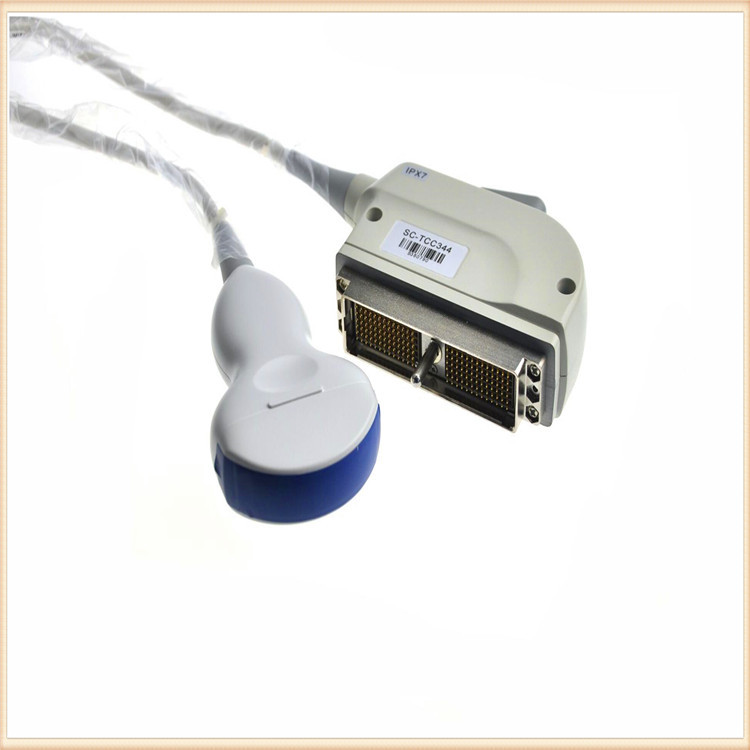
Military-Grade Ultrasound Coaxial Cable – High-Temperature Resistance, 100daN Compression Strength

Military-Grade Ultrasound Coaxial Cable – High-Temperature Resistance, 100daN Compression Strength

High-Performance Military Ultrasound Coaxial Cables: Built for Extreme Conditions Designed to meet the demanding requirements of military, aerospace, and medical applications, our Military-Grade Ultrasound Coaxial Cables deliver except.
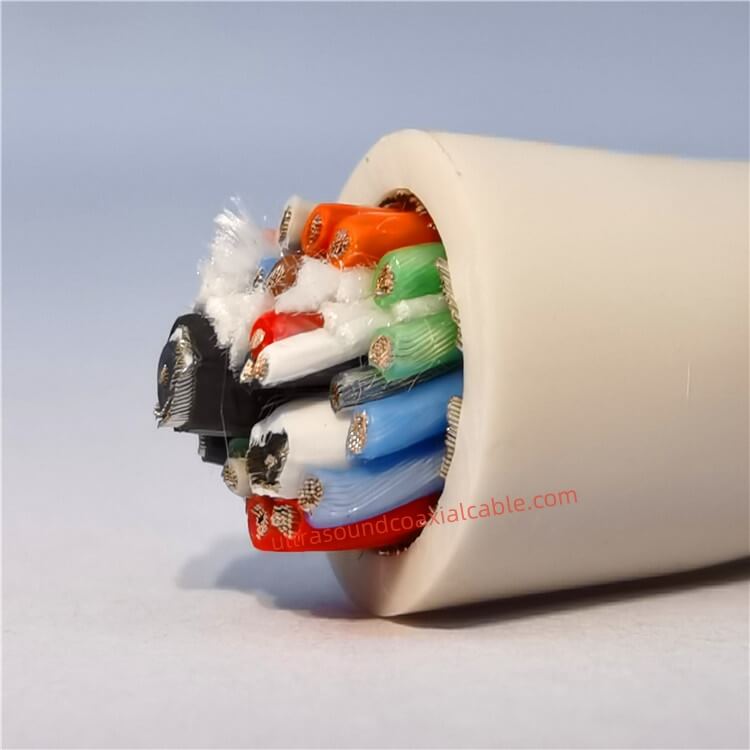
138-Core Medical Ultrasound Probe Coaxial Cable with 0.2mm Diameter – Biocompatible & FDA-Certified

138-Core Medical Ultrasound Probe Coaxial Cable with 0.2mm Diameter – Biocompatible & FDA-Certified

High-Precision 138-Core Medical Ultrasound Coaxial Cables | 0.2mm Ultra-Fine Biocompatible Design for Diagnostic Imaging Product Overview Engineered for advanced medical imaging systems, our 138-Core Medical Ultrasound Probe Coa.

Contact Us

Feel free to reach out to us for any inquiries or orders.

Call Us

Have a question? Give us a call!

                   +8618818785005(Whatsapp)

Email Us

Send us an email and we'll get back to you soon.

sales@custom-cable-assemblies.com
       
Home Products Contact