How important is cable diameter in ultrasound coaxial cables? | High-Quality Ultrasound Coaxial Cable | ultrasound coaxial cable Manufacturer & Factory-FRS

How important is cable diameter in ultrasound coaxial cables?

The Critical Role of Cable Diameter in Ultrasound Coaxial Cables: A Comprehensive Guide​ Ultrasound technology has revolutionized medical diagnostics and… - Professional Ultrasound Coaxial Cable Solutions

Information

Learn more about, latest news, frequently asked questions

The Critical Role of Cable Diameter in Ultrasound Coaxial Cables: A Comprehensive Guide

Ultrasound technology has revolutionized medical diagnostics and industrial inspections, offering non-invasive insights into human health and machinery performance. At the heart of this innovation lies the ​ultrasound coaxial cable, a sophisticated component designed to transmit high-frequency signals with precision. While many factors contribute to the performance of these cables, one often overlooked yet pivotal element is ​cable diameter. In this article, we delve into why diameter matters, how it impacts functionality, and why brands like ​FRS​ lead the market with expertly engineered solutions.


1. Signal Integrity: The Foundation of Ultrasound Accuracy

Ultrasound coaxial cables are engineered to carry high-frequency signals (typically 1–20 MHz) with minimal loss. The diameter of the cable directly influences its ​electrical properties, including impedance and attenuation.

  • Impedance Consistency: Standard ultrasound cables, such as RG-59 or RG-62, are designed with a characteristic impedance of 50–75 ohms. A consistent diameter ensures uniform impedance along the cable’s length, reducing signal reflections that could distort imaging or data output .
  • Attenuation Control: Thinner cables (e.g., 42AWG or 44AWG) minimize signal loss over distance, critical for applications requiring long cable runs, such as in large medical facilities or industrial scanning systems. For instance, FRS’s micro-coaxial cables achieve attenuation rates as low as 0.15 dB/m at 1 GHz, ensuring crisp, reliable signals even in demanding environments .

2. Flexibility vs. Durability: Balancing Act for Diverse Applications

Ultrasound cables must withstand repeated bending, twisting, and environmental stress while maintaining performance. Diameter plays a balancing role here:

  • High-Frequency Flexibility: Slimmer cables (e.g., 0.2 mm outer diameter) are preferred in portable ultrasound devices or endoscopic applications, where tight spaces and frequent movement demand extreme pliability. FRS’s ultra-soft cables, featuring 19/38-strand copper conductors, retain flexibility without sacrificing durability .
  • Robustness for Industrial Use: Thicker cables (e.g., RG-11) are built for rugged settings, such as aerospace or machinery inspections. Their larger diameter accommodates reinforced shielding and insulation, protecting against abrasion and electromagnetic interference (EMI) .

3. Heat Dissipation: Preventing Overheating in High-Power Systems

Ultrasound systems generate heat during prolonged operation, especially in high-power industrial applications. A cable’s diameter affects its ability to dissipate heat:

  • Air-Gapped Dielectrics: Cables like FRS’s specialty coaxials use air or low-density dielectric materials to reduce thermal resistance. This design allows heat to dissipate efficiently, preventing damage to sensitive transducers or electronics .
  • Thermal Stability: Larger diameters provide more surface area for heat exchange, reducing the risk of overheating in continuous-use scenarios, such as automated manufacturing lines or 24/7 medical imaging systems.

4. Application-Specific Design: Tailoring Diameter to Needs

Different ultrasound use cases demand tailored cable specifications:

  • Medical Imaging: Compact, low-profile cables (e.g., 38–46AWG) are essential for handheld probes. FRS’s micro-coaxials, with diameters as small as 0.81 mm, enable seamless integration into portable devices without compromising bandwidth .
  • Industrial Non-Destructive Testing (NDT)​: Thicker cables (e.g., 0.125–0.250 inches) are used in heavy-duty equipment to withstand harsh conditions while maintaining signal integrity over long distances .
  • Underwater or High-Voltage Systems: Specialty cables with reinforced jackets and diameters optimized for waterproofing or voltage resistance (e.g., 600V-rated designs) ensure safety and reliability in extreme environments .

5. Future-Proofing: Scalability and Upgradability

Choosing the right diameter isn’t just about current needs—it’s about future adaptability.

  • Modular Systems: Cables with scalable diameters allow integration with new technologies, such as higher-frequency transducers or IoT-enabled diagnostic tools. FRS offers customizable solutions, enabling manufacturers to future-proof their equipment .
  • Reduced Maintenance: Overly bulky cables can strain connectors and joints, leading to premature failure. Optimized diameters minimize wear points, lowering long-term maintenance costs.

Why FRS Stands Out in Ultrasound Coaxial Cables

FRS has redefined industry standards with its innovative approach to coaxial cable design:

  • Precision Manufacturing: Using advanced extrusion techniques, FRS produces cables with tight diameter tolerances (±0.3 mm), ensuring consistent performance across batches.
  • Material Expertise: Their cables employ high-purity copper conductors and low-loss dielectrics, minimizing signal distortion and maximizing bandwidth.
  • Custom Solutions: Whether for medical, industrial, or aerospace applications, FRS tailors cable diameter and shielding to meet unique requirements, such as biocompatibility or EMI resistance.

Final Thoughts
The diameter of an ultrasound coaxial cable is far more than a simple measurement—it’s a critical determinant of performance, durability, and application suitability. By prioritizing precise engineering and material selection, brands like FRS continue to drive advancements in ultrasound technology, enabling clearer imaging, faster diagnostics, and safer industrial inspections. For professionals seeking reliable, high-performance cables, partnering with a specialist like FRS ensures that every detail—from diameter to shielding—is optimized for excellence.

Explore FRS’s lineup of ultrasound coaxial cables today and experience the difference precision makes.

Hot Selling Products

Discover our most popular furniture pieces that are loved by customers worldwide.

High-Precision Ultrasound Coaxial Cable for Medical Imaging – Low Noise, Flexible Design, 42AWG

High-Precision Ultrasound Coaxial Cable for Medical Imaging – Low Noise, Flexible Design, 42AWG

Ultra-Flexible 42AWG Medical-Grade Coaxial Cables for High-Precision Ultrasound Imaging Designed for demanding medical imaging applications, our Ultra-Flexible 42AWG Coaxial Cables deliver exceptional signal integrity, noise reduction,.
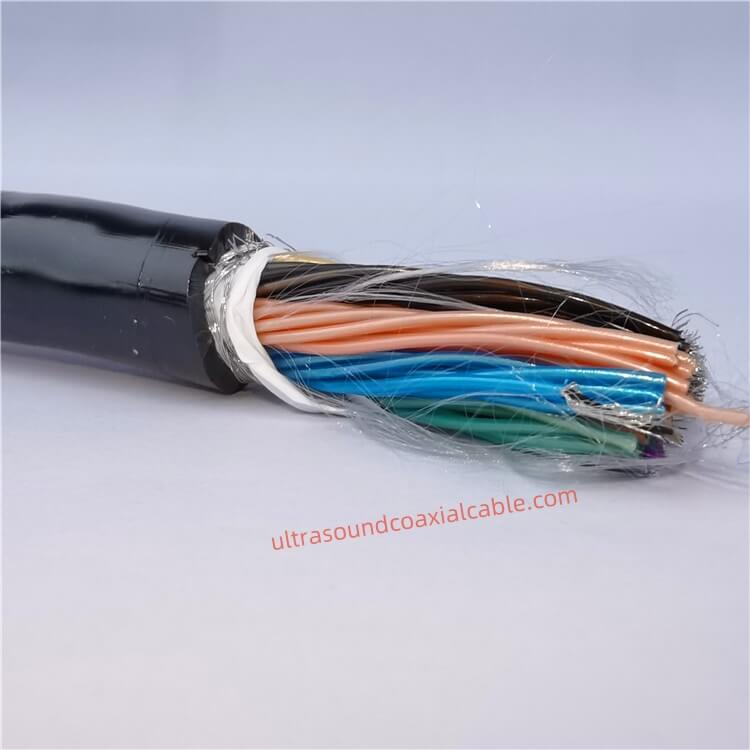
Customizable Ultrasound Coaxial Cable Assembly – 42AWG to 30AWG, 6.6mm OD, 18GHz Bandwidth

Customizable Ultrasound Coaxial Cable Assembly – 42AWG to 30AWG, 6.6mm OD, 18GHz Bandwidth

High-Performance Ultrasound Coaxial Cable Assembly: 42AWG to 30AWG, 6.6mm OD, 18GHz Bandwidth Engineered for precision in medical imaging and industrial applications, this customizable coaxial cable assembly delivers exceptional signal.
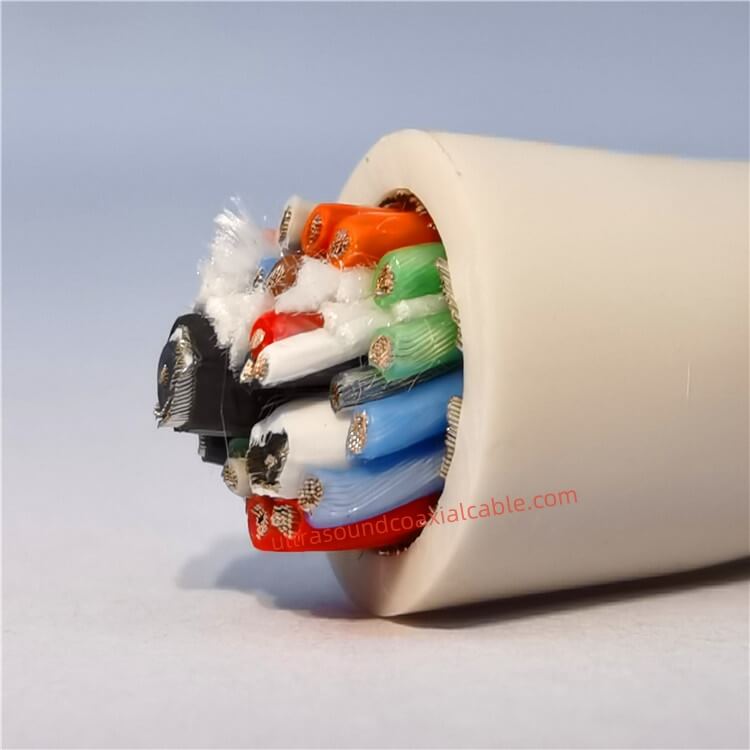
138-Core Medical Ultrasound Probe Coaxial Cable with 0.2mm Diameter – Biocompatible & FDA-Certified

138-Core Medical Ultrasound Probe Coaxial Cable with 0.2mm Diameter – Biocompatible & FDA-Certified

High-Precision 138-Core Medical Ultrasound Coaxial Cables | 0.2mm Ultra-Fine Biocompatible Design for Diagnostic Imaging Product Overview Engineered for advanced medical imaging systems, our 138-Core Medical Ultrasound Probe Coa.
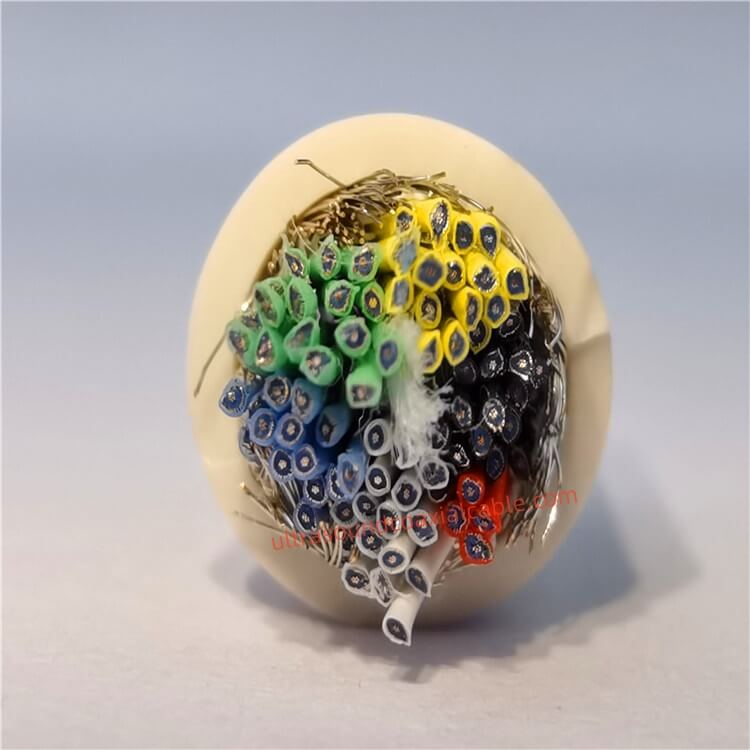
Ultrasound Coaxial Cable|High-Performance Signal Transmission for Precision Applications

Ultrasound Coaxial Cable|High-Performance Signal Transmission for Precision Applications

‌‌Product Overview‌The ‌Ultrasound Coaxial Cable‌ is a specialized cable engineered to deliver ultra-low signal loss, exceptional shielding, and unmatched durability in critical environments. Designed for medical imaging, industrial testi.

Contact Us

Feel free to reach out to us for any inquiries or orders.

Call Us

Have a question? Give us a call!

                   +8618818785005(Whatsapp)

Email Us

Send us an email and we'll get back to you soon.

sales@custom-cable-assemblies.com
       
Home Products Contact