The Critical Role of Ultrasound Coaxial Cables in Modern Medical Imaging Ultrasound imaging has become a cornerstone of modern medicine,… - Professional Ultrasound Coaxial Cable Solutions
Learn more about, latest news, frequently asked questions
The Critical Role of Ultrasound Coaxial Cables in Modern Medical Imaging
Ultrasound imaging has become a cornerstone of modern medicine, offering non-invasive, real-time visualization of internal structures. Behind this life-saving technology lies a critical yet often overlooked component: ultrasound coaxial cables. These specialized cables ensure the precise transmission of high-frequency signals required for accurate diagnostics. In this article, we’ll explore how these cables are engineered for medical imaging, their unique advantages, and why they’re indispensable in healthcare settings.
Ultrasound coaxial cables act as the “nervous system” of imaging devices. They transmit high-frequency sound waves generated by transducers into the body and capture returning echoes to create detailed images. Unlike standard cables, medical-grade coaxial cables are designed to meet stringent requirements:
For example, in ultrasound-guided biopsies, cables transmit real-time imaging feedback to clinicians, enabling precise needle placement. Any signal degradation here could risk misdiagnosis or procedural errors.
Medical environments are rife with electromagnetic interference (EMI) from MRI machines, Wi-Fi networks, and other electronic devices. Ultrasound coaxial cables use multi-layer shielding—foil, braid, or a combination—to block external noise. This ensures that the transmitted signal remains pure, critical for applications like cardiac ultrasound, where minor distortions could obscure heart valve abnormalities .
Portable ultrasound devices, used in emergency rooms or remote clinics, require compact cables. Advanced manufacturing techniques produce cables as thin as 0.2 mm in diameter while maintaining electrical performance. These “micro-coaxial cables” are ideal for endoscopic probes, where space is limited, and flexibility is essential for maneuvering through anatomical structures .
Ultrasound frequencies typically range from 2 MHz to 20 MHz, with higher frequencies offering better resolution. Coaxial cables must maintain impedance consistency (often 50 or 75 ohms) across these ranges. For instance, 36 AWG conductors with low-resistance copper ensure minimal signal loss during high-frequency transmission .
Ultrasound coaxial cables enable fetal monitoring by transmitting detailed images of developing babies. Cables in portable devices allow clinicians to assess placental position, fetal heart rate, and amniotic fluid levels in real time .
In echocardiography, cables connect transducers to ultrasound machines, capturing heart motion. High-speed data transfer is vital for 3D imaging and Doppler studies that analyze blood flow patterns .
Contrast-enhanced ultrasound (CEUS) uses microbubbles to highlight tumors. Coaxial cables must handle rapid signal changes during bubble destruction-replenishment cycles, ensuring accurate tumor detection .
While miniaturization is critical, thinner cables are prone to breakage. Manufacturers now use helical copper shielding and flexible fluoropolymers (e.g., PTFE) to enhance durability without sacrificing flexibility .
Reusable cables must endure repeated sterilization cycles. Materials like PEEK (polyether ether ketone) and polyurethane resist chemical degradation from autoclaves and hydrogen peroxide gas .
Emerging technologies like dual-mode photoacoustic/ultrasound endoscopy require coaxial cables to synchronize light and sound signals. Transparent ultrasound transducers (TUTs) with coaxial alignment enable high-resolution imaging of deep tissues, such as detecting early-stage esophageal cancer .
As medical imaging evolves, coaxial cables are adapting to new demands:
In Summary
Ultrasound coaxial cables are the unsung heroes of medical imaging. Their ability to transmit clear, interference-free signals while withstanding rigorous use makes them vital for everything from prenatal care to cancer detection. Innovations in materials and design continue to push the boundaries of what’s possible, ensuring that healthcare providers can deliver faster, more accurate diagnoses. Whether it’s a portable device in a remote clinic or a state-of-the-art operating room, these cables are the backbone of modern medicine’s most trusted technology.
Discover our most popular furniture pieces that are loved by customers worldwide.

High-Performance Flexible Coaxial Cable for Medical Imaging & Ultrasound Systems Designed for demanding applications in medical imaging, industrial diagnostics, and high-frequency signal transmission, this ultra-flexible coaxial ca.
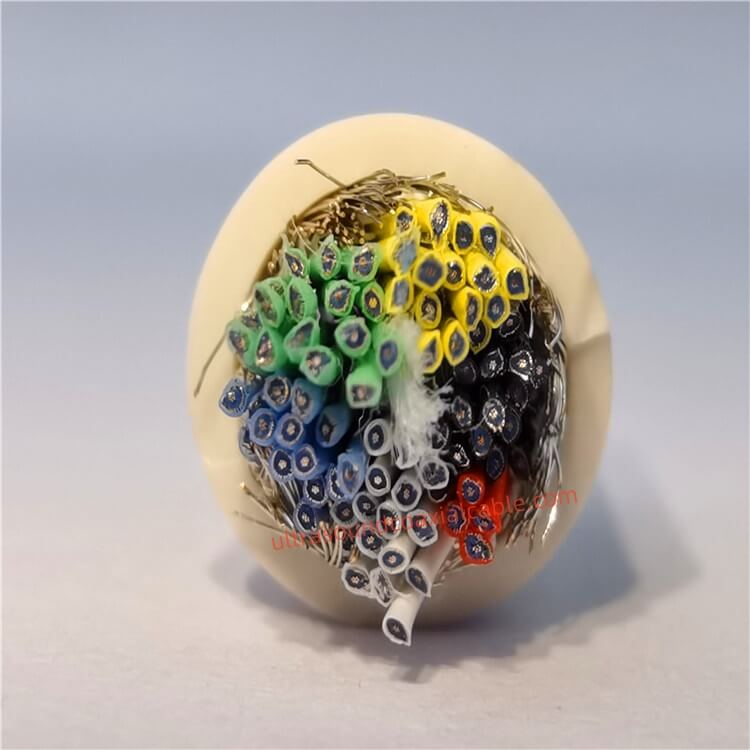
Product OverviewThe Ultrasound Coaxial Cable is a specialized cable engineered to deliver ultra-low signal loss, exceptional shielding, and unmatched durability in critical environments. Designed for medical imaging, industrial testi.

High-Precision 138-Core Medical Ultrasound Coaxial Cables | 0.2mm Ultra-Fine Biocompatible Design for Diagnostic Imaging Product Overview Engineered for advanced medical imaging systems, our 138-Core Medical Ultrasound Probe Coa.
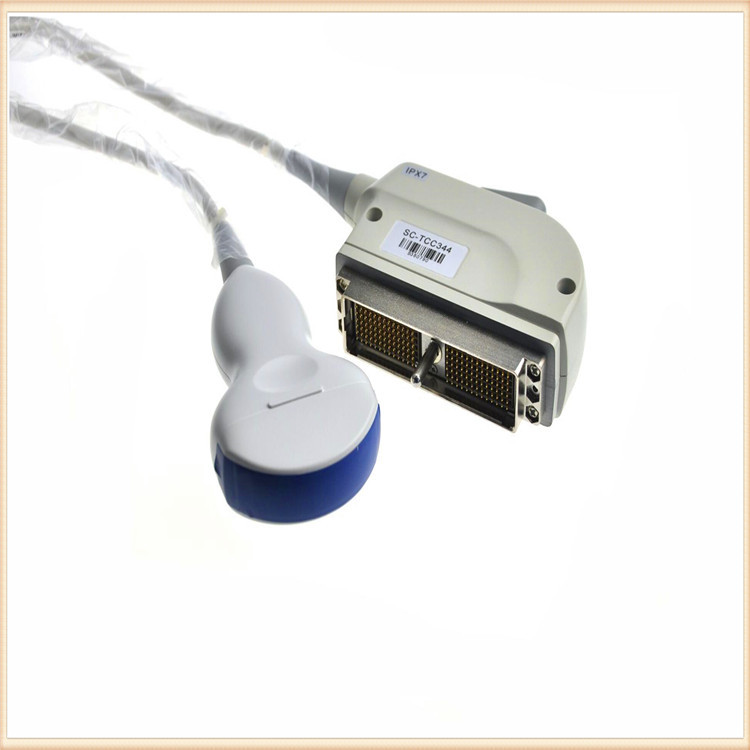
High-Performance Military Ultrasound Coaxial Cables: Built for Extreme Conditions Designed to meet the demanding requirements of military, aerospace, and medical applications, our Military-Grade Ultrasound Coaxial Cables deliver except.
Feel free to reach out to us for any inquiries or orders.