In the demanding field of underwater industrial inspections, reliability and data accuracy are paramount. Ultrasound coaxial cables have emerged as… - Professional Ultrasound Coaxial Cable Solutions
Learn more about, latest news, frequently asked questions
In the demanding field of underwater industrial inspections, reliability and data accuracy are paramount. Ultrasound coaxial cables have emerged as a critical component in non-destructive testing (NDT) systems deployed in marine environments, from assessing offshore wind turbine foundations to inspecting submerged pipelines. These specialized cables are engineered to transmit high-frequency signals with minimal loss, even under the challenging conditions presented by underwater applications.
Ultrasonic testing (UT) has become an indispensable method for evaluating the structural integrity of underwater assets without causing damage. This technology relies on high-frequency sound waves to detect flaws, measure thickness, and identify corrosion in structures like ship hulls, support pilings, and subsea infrastructure. The coaxial cable connecting the transducer to the ultrasonic instrument serves as the vital pathway for these diagnostic signals .
For underwater applications, standard coaxial cables face significant challenges. Saltwater corrosion, pressure variations, temperature extremes, and mechanical stress can compromise signal integrity and lead to cable failure. This is where specialized ultrasound coaxial cables demonstrate their value, with engineering specifically tailored to withstand harsh marine conditions while maintaining signal transmission quality essential for accurate inspections .
Marine-grade ultrasound coaxial cables incorporate specific materials to ensure durability and performance in underwater environments:
High-quality marine coaxial cables maintain stable impedance (typically 50 ohms) at operating frequencies relevant to ultrasonic testing (e.g., 10 MHz and above). This ensures minimal signal reflection and loss, which is critical when inspecting from significant distances or through attenuative materials .
These cables are designed to withstand temperature variations common in underwater applications, with rating temperatures typically around 80°C, though specialized versions can handle extremes from below freezing to over 150°C for specific deep-water or high-temperature applications .
The offshore energy sector, including oil and gas platforms and wind farms, relies heavily on ultrasonic testing with specialized coaxial cables for corrosion mapping and structural assessment. For example, FRS’s marine-grade coaxial solutions enable accurate wall-thickness measurements on submerged pipes and support structures, helping prevent catastrophic failures in critical infrastructure .
Ship hull inspection, underwater vehicle maintenance, and naval asset assessment represent significant applications. Specialized water-resistant dual element transducers connected via durable coaxial cables can operate at depths up to approximately 100 meters (300 feet), enabling detailed inspection of submerged structures without dry docking .
The growing offshore wind industry depends on ultrasonic testing for preventive maintenance of turbine foundations and underwater components. With wind energy capacity projected to double by 2030, maintenance protocols mandating regular ultrasonic checks are driving sustained demand for reliable underwater inspection cables .
Underwater inspections present unique signal integrity challenges. FRS addresses these through cables with low signal attenuation (<0.15 dB/m at 1 GHz) and advanced shielding configurations that maintain signal clarity even in electrically noisy marine environments. This ensures that inspection data remains accurate and reliable for critical decision-making .
Marine-grade ultrasound coaxial cables are engineered for extended service life in corrosive environments. Through materials like tinned copper conductors, polyurethane jacketing, and epoxy resin encapsulation at connection points, these cables achieve 30-year durability as validated by accelerated aging tests in simulated seawater conditions .
Quality underwater inspection cables meet stringent international standards, including:
FRS’s coaxial cables exceed these baseline requirements with additional certifications specific to marine operations, ensuring global acceptance for underwater industrial applications.
The market for specialized ultrasound coaxial cables in industrial applications shows strong growth momentum. A 2023 industry report noted a 9% year-on-year increase in ultrasonic NDT equipment sales, directly correlating with cable demand. The offshore inspection sector particularly drives need for cables rated for extreme temperatures and harsh environments .
Geographically, the Asia-Pacific region leads growth potential, with China projecting a 12.5% CAGR through 2028, fueled by massive infrastructure development including offshore energy projects. North America maintains strong replacement demand cycles, with 68% of U.S. facilities planning coaxial cable upgrades in existing systems by 2026 .
FRS’s engineering approach to underwater inspection cables focuses on solving specific pain points through technical innovation:
Ultrasound coaxial cables have proven indispensable for underwater industrial inspections, enabling accurate assessment of critical infrastructure in challenging marine environments. Through specialized materials, advanced shielding technologies, and robust construction, these cables maintain signal integrity where standard cables would fail. As underwater inspection requirements grow increasingly sophisticated, particularly in offshore energy and marine infrastructure, FRS remains committed to advancing coaxial cable technology to meet these evolving demands with reliable, high-performance solutions that ensure inspection accuracy and operational safety.
Discover our most popular furniture pieces that are loved by customers worldwide.

Ultra-Flexible 42AWG Medical-Grade Coaxial Cables for High-Precision Ultrasound Imaging Designed for demanding medical imaging applications, our Ultra-Flexible 42AWG Coaxial Cables deliver exceptional signal integrity, noise reduction,.
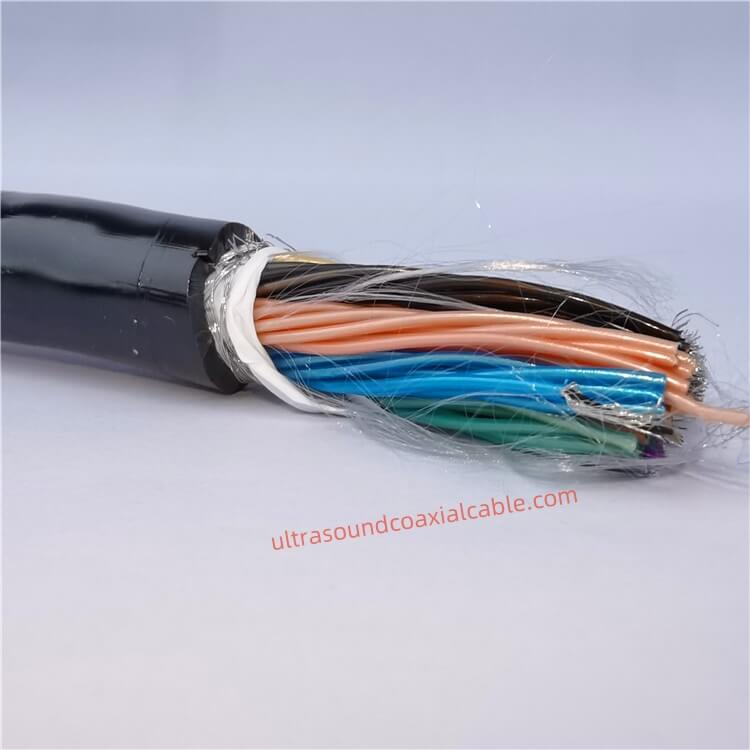
High-Performance Ultrasound Coaxial Cable Assembly: 42AWG to 30AWG, 6.6mm OD, 18GHz Bandwidth Engineered for precision in medical imaging and industrial applications, this customizable coaxial cable assembly delivers exceptional signal.

High-Performance Flexible Coaxial Cable for Medical Imaging & Ultrasound Systems Designed for demanding applications in medical imaging, industrial diagnostics, and high-frequency signal transmission, this ultra-flexible coaxial ca.
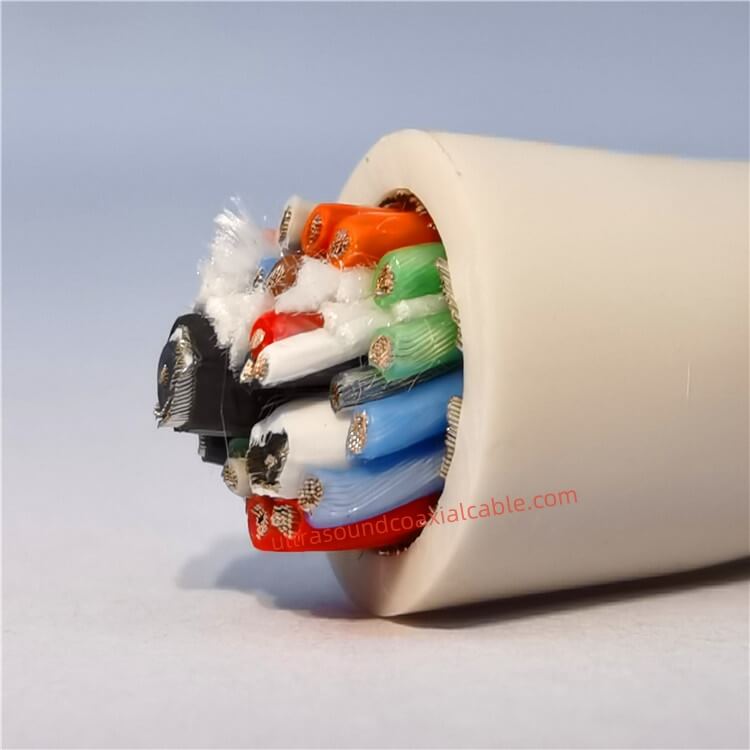
High-Precision 138-Core Medical Ultrasound Coaxial Cables | 0.2mm Ultra-Fine Biocompatible Design for Diagnostic Imaging Product Overview Engineered for advanced medical imaging systems, our 138-Core Medical Ultrasound Probe Coa.
Feel free to reach out to us for any inquiries or orders.