Size Restrictions for Ultrasound Coaxial Cables in Minimally Invasive Surgery: A Technical Guide The Critical Role of Miniaturization in Surgical… - Professional Ultrasound Coaxial Cable Solutions
Learn more about, latest news, frequently asked questions
Size Restrictions for Ultrasound Coaxial Cables in Minimally Invasive Surgery: A Technical Guide
In the rapidly advancing field of minimally invasive surgery, the miniaturization of components presents both a challenge and necessity for medical device manufacturers. Ultrasound coaxial cables, which serve as the critical connection between imaging systems and transducers, face particular size constraints when designed for minimally invasive applications. These cables must balance dimensional limitations with uncompromised signal integrity, flexibility, and durability to meet the demanding requirements of modern surgical procedures.
The fundamental challenge lies in creating cables thin enough to navigate tight anatomical spaces while maintaining the electrical characteristics necessary for high-resolution imaging. As surgical instruments continue to shrink, ultrasound coaxial cables must follow suit, pushing the boundaries of materials science and electrical engineering to unprecedented levels.
Ultrasound coaxial cables used in minimally invasive applications typically feature extremely fine conductors, with sizes ranging from 38 AWG to 46 AWG (American Wire Gauge), and some specialized applications even reaching 52 AWG. To put this in perspective, a 46 AWG wire has a conductor diameter of approximately 0.04mm – significantly thinner than a human hair. This ultra-fine construction enables the creation of multi-conductor cables that remain manageable in diameter while containing hundreds of individual coaxial lines .
The relationship between wire gauge and cable performance is critical. Thinner conductors (higher AWG numbers) allow for more compact designs but present challenges in signal integrity over distance. For minimally invasive applications, cables typically feature outer diameters between 4.8mm to 8.3mm, yet contain hundreds of individual micro-coaxial wires within this constrained space . This compact design is essential for maintaining flexibility and minimizing the overall footprint of surgical instruments.
Despite their reduced dimensions, miniaturized ultrasound coaxial cables must maintain strict electrical specifications. The characteristic impedance is typically standardized at 50 Ohms, with tight tolerances of ±1 Ohm achieved even in the smallest configurations. Capacitance values generally range between 50-110 pF/m, depending on the specific design and application requirements .
The propagation velocity of electrical signals through these cables is another critical parameter, with high-quality designs achieving 80% velocity of propagation (VOP) compared to air-enhanced PTFE dielectric materials. This ensures that signal timing remains precise, which is crucial for accurate ultrasound imaging .
The primary technical challenge in developing ultrasound coaxial cables for minimally invasive surgery lies in maintaining electrical performance while reducing physical dimensions. As cables shrink, several potential issues emerge: increased signal attenuation, reduced shielding effectiveness, and diminished mechanical durability. Advanced manufacturers address these challenges through innovative materials and construction techniques.
Silver-plated copper alloy conductors have become the standard for high-end applications, offering superior conductivity compared to traditional copper while allowing for thinner constructions. The silver plating provides enhanced surface conductivity, which is particularly important at high frequencies where the skin effect causes current to flow primarily on the conductor’s surface .
Effective electromagnetic shielding becomes increasingly challenging as cable dimensions shrink. Miniaturized ultrasound coaxial cables typically employ sophisticated double-shielded designs combining multiple approaches:
This multi-layer approach ensures that even the most compact cables maintain shielding effectiveness better than 100 dB at high frequencies, preventing external electromagnetic interference from degrading image quality .
The insulation surrounding individual conductors plays a crucial role in miniaturized cable designs. Fluoropolymer materials, particularly FEP (Fluorinated Ethylene Propylene) and other fluoropolymers, have become the insulation of choice for several reasons:
Advanced manufacturing techniques, including micro-extrusion technology, allow for precise control over insulation thickness, reducing it down to 15 microns in some specialized applications . This precision is essential for maintaining overall cable flexibility while ensuring consistent electrical performance.
The outer jacket of ultrasound coaxial cables must meet stringent requirements for medical use. Biocompatibility is paramount, as cables may contact patient tissues during procedures. Additionally, jackets must withstand repeated sterilization cycles while maintaining flexibility. Common materials include:
These materials must achieve a delicate balance between protection and flexibility, with leading designs capable of withstanding over 300,000 cycles of continuous bending, pulling, and twisting in rigorous testing .
The most demanding size constraints occur in trans-catheter and endoscopic applications, where cables must navigate through narrow lumens and intricate anatomical pathways. For these applications, manufacturers have developed ultra-fine designs such as:
These extreme miniaturization efforts enable new approaches to minimally invasive diagnosis and treatment, allowing access to previously unreachable anatomical areas.
Modern ultrasound imaging increasingly relies on phased array technology with high channel counts. The 72-channel ultrasonic probe cable represents current technological limits, containing 72 individual micro-coaxial lines within a single cable assembly. Each conductor in such systems typically uses 38 AWG silver-plated copper alloy with fluoropolymer insulation, achieving an individual coaxial diameter of approximately 0.31mm .
The arrangement of these multiple conductors within a single cable requires sophisticated bundling techniques that maintain flexibility while preventing signal crosstalk between adjacent channels. The resulting cables typically feature outer diameters of 7.0mm (maximum 7.4mm), representing an impressive feat of engineering density .
Ultrasound coaxial cables for medical applications must comply with numerous international standards and regulations. These include:
Reputable manufacturers undergo rigorous certification processes, with some holding UL File No. E61522, Style: 1354 certifications for their medical coaxial cables . These certifications provide assurance that products meet the stringent requirements of medical applications.
Comprehensive testing protocols ensure that miniaturized ultrasound coaxial cables maintain reliability under surgical conditions. Advanced testing includes:
This rigorous validation process ensures that size-optimized cables deliver consistent performance throughout their operational lifespan, critical for reliable surgical outcomes.
The drive toward further miniaturization continues, with several promising technologies on the horizon:
These innovations promise to further push the boundaries of what’s possible in ultrasound coaxial cable design, enabling new generations of even less invasive surgical tools and techniques.
As surgical robotics and AI-assisted imaging become more prevalent, ultrasound coaxial cables must evolve to meet new interface requirements. This includes developing cables with:
Manufacturers like FRS are addressing these needs through custom design services that create application-specific solutions, leveraging modular approaches that combine standardized components with tailored interfaces for specific surgical systems.
Ultrasound coaxial cables for minimally invasive surgery represent a remarkable convergence of materials science, electrical engineering, and medical technology. The size restrictions governing these components continue to push technological boundaries, demanding innovative approaches to maintain and even enhance performance while reducing dimensions. As surgical techniques evolve toward less invasive approaches, the importance of these sophisticated cable systems will only increase, driving further innovation in this critical medical technology sector.
The successful implementation of these advanced cables requires close collaboration between medical device manufacturers, cable engineers, and clinical specialists. Companies that master the balance between miniaturization and performance will continue to drive progress in minimally invasive surgery, enabling new procedures and improving patient outcomes through technological advancement.
Discover our most popular furniture pieces that are loved by customers worldwide.
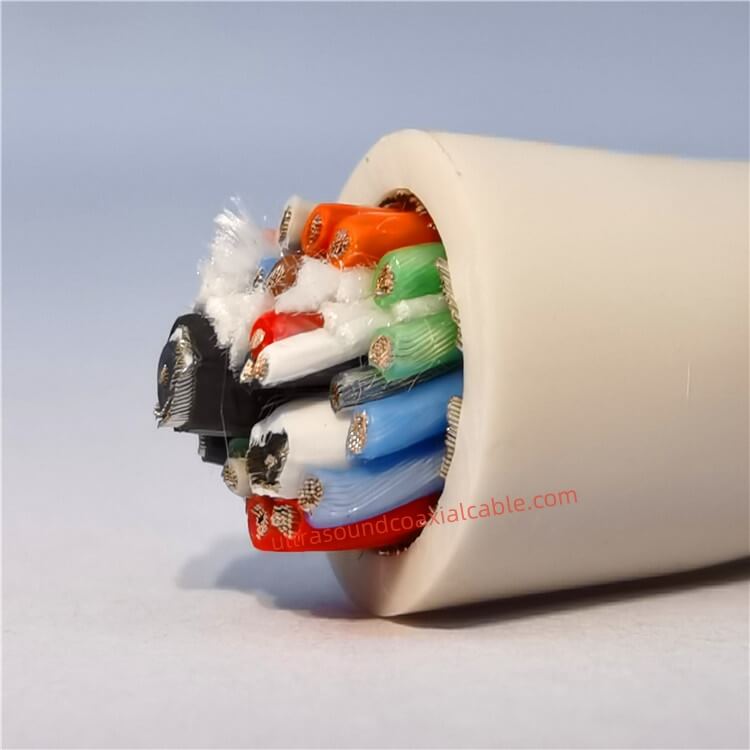
High-Precision 138-Core Medical Ultrasound Coaxial Cables | 0.2mm Ultra-Fine Biocompatible Design for Diagnostic Imaging Product Overview Engineered for advanced medical imaging systems, our 138-Core Medical Ultrasound Probe Coa.
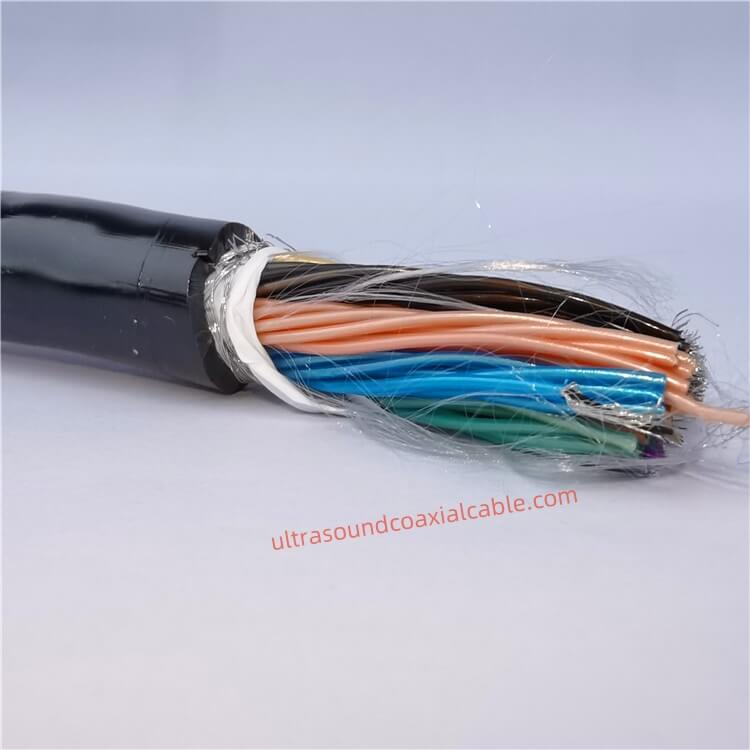
High-Performance Ultrasound Coaxial Cable Assembly: 42AWG to 30AWG, 6.6mm OD, 18GHz Bandwidth Engineered for precision in medical imaging and industrial applications, this customizable coaxial cable assembly delivers exceptional signal.
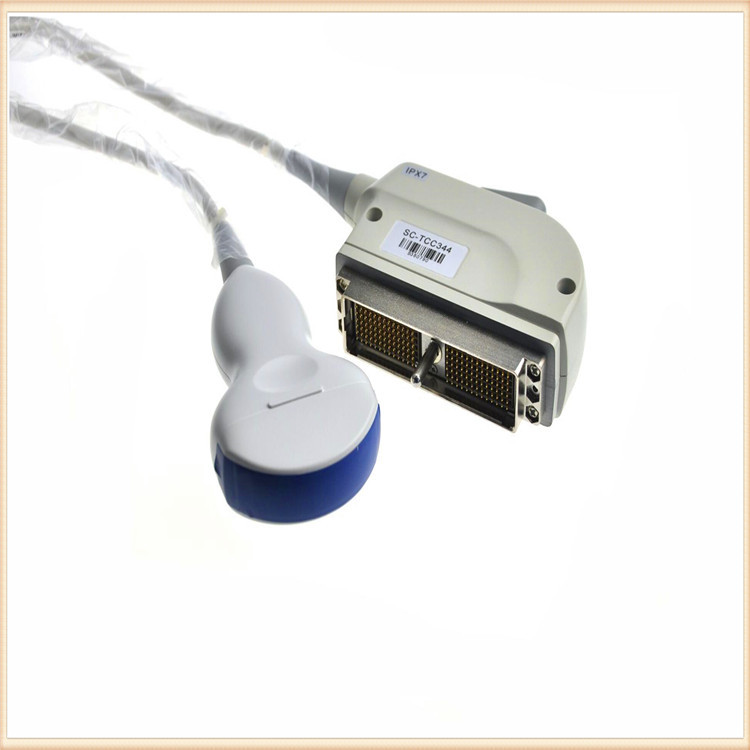
High-Performance Military Ultrasound Coaxial Cables: Built for Extreme Conditions Designed to meet the demanding requirements of military, aerospace, and medical applications, our Military-Grade Ultrasound Coaxial Cables deliver except.
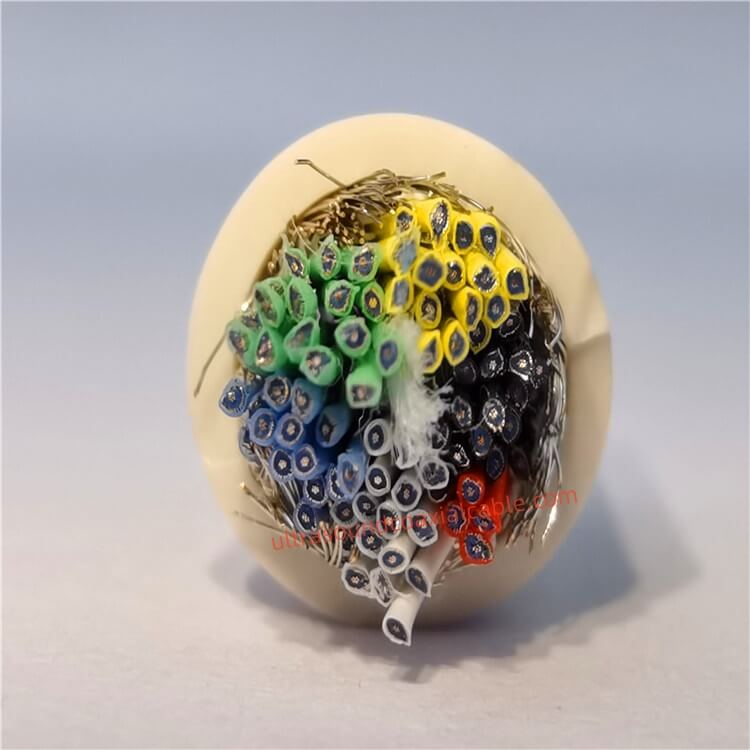
Product OverviewThe Ultrasound Coaxial Cable is a specialized cable engineered to deliver ultra-low signal loss, exceptional shielding, and unmatched durability in critical environments. Designed for medical imaging, industrial testi.
Feel free to reach out to us for any inquiries or orders.