In the precision-driven fields of medical imaging and industrial non-destructive testing (NDT), the clarity of an ultrasound image or the… - Professional Ultrasound Coaxial Cable Solutions
Learn more about, latest news, frequently asked questions
In the precision-driven fields of medical imaging and industrial non-destructive testing (NDT), the clarity of an ultrasound image or the accuracy of a thickness measurement can be compromised by a single, often-overlooked component: the ultrasound coaxial cable. Signal loss in these cables is not just a minor inconvenience; it can lead to misdiagnosis in healthcare or critical oversights in material inspections. Understanding the root causes of this attenuation is the first step toward ensuring system reliability and data integrity.
Signal loss in ultrasound coaxial cables refers to the degradation of high-frequency electrical signals as they travel from the transducer to the processing unit. This phenomenon is primarily caused by cable length, electrical resistance, dielectric imperfections, and external interference, all of which can significantly impact the performance of ultrasonic systems .
The longer the cable, the greater the signal attenuation. Electrical resistance in the cable’s inner and outer conductors causes energy to dissipate as heat, a loss that increases with distance. This is exacerbated by the skin effectat high frequencies, where current flows only on the outer surface of the conductor, effectively reducing its cross-sectional area. For instance, in ultrasonic testing, a 10 MHz signal through a 60-meter cable can cause a thickness reading offset of over 1.5 mm, compared to a 1-meter cable . While using the shortest cable possible is ideal, many industrial applications require long runs. In these cases, low-loss cable designsor preamplifiersplaced near the transducer end can mitigate the issue .
The insulating material between the core conductor and the shield, known as the dielectric, is another source of loss. As the high-frequency AC signal passes through the cable, the dielectric material absorbs some energy, which is converted to heat. This dielectric lossincreases linearly with frequency, meaning it becomes a dominant factor in high-frequency ultrasound applications above approximately 15-20 MHz. Cables with inferior dielectric materials like standard PVC exhibit higher losses compared to those using advanced fluoropolymers (PTFE/PFA), which offer superior dielectric properties and thermal stability up to 150°C .
A critical design goal for ultrasound cables is maintaining a consistent characteristic impedance(typically 50 ohms). When the cable’s impedance does not perfectly match the impedance of the transducer or the ultrasound instrument, a portion of the signal reflects toward the source. These reflections create ghost echoesor duplicate excitation pulses that reduce near-surface resolution and measurement accuracy. This is especially problematic with long cables, where the reflected pulse can arrive late enough to act as a second, smaller driving pulse for the transducer . Precision manufacturing is essential to control impedance, and solutions like integrated circuitsat the transducer head can help match impedance and consolidate signals to minimize this issue .
Coaxial cables are not immortal; they degrade over time, leading to increased signal loss. Key factors include:
Signal loss directly impacts the performance and bottom line in critical applications.
At FRS, we address the root causes of signal loss through advanced engineering and precision manufacturing. Our ultrasound coaxial cables are not just components; they are critical links engineered for reliability in your most demanding applications.
Our cables feature silver-plated copper conductorsfor optimal conductivity and corrosion resistance, combined with fluoropolymer insulation (PFA/PTFE)that ensures minimal dielectric loss and stable performance at high frequencies. To combat EMI, our proprietary dual-layer or triple-layer shielding(combining spiral and braid designs) offers up to 90% coverage and more than 90 dB of rejection, ensuring clean signal transmission even near heavy machinery like welders or variable frequency drives .
For system integrators, this translates to several key benefits:
Signal loss in an ultrasound coaxial cable is a multifaceted challenge stemming from electrical, material, and environmental factors. For OEMs and system integrators in the medical and industrial sectors, selecting the right cable is a critical decision that directly impacts system performance, data accuracy, and operational costs. By partnering with a technical expert like FRS, you gain access to engineered cable solutions that are designed from the ground up to minimize attenuation, combat interference, and withstand the rigors of the real world. Ensure your systems deliver the precision they were designed for by addressing signal loss at its source .
Discover our most popular furniture pieces that are loved by customers worldwide.

High-Performance Flexible Coaxial Cable for Medical Imaging & Ultrasound Systems Designed for demanding applications in medical imaging, industrial diagnostics, and high-frequency signal transmission, this ultra-flexible coaxial ca.
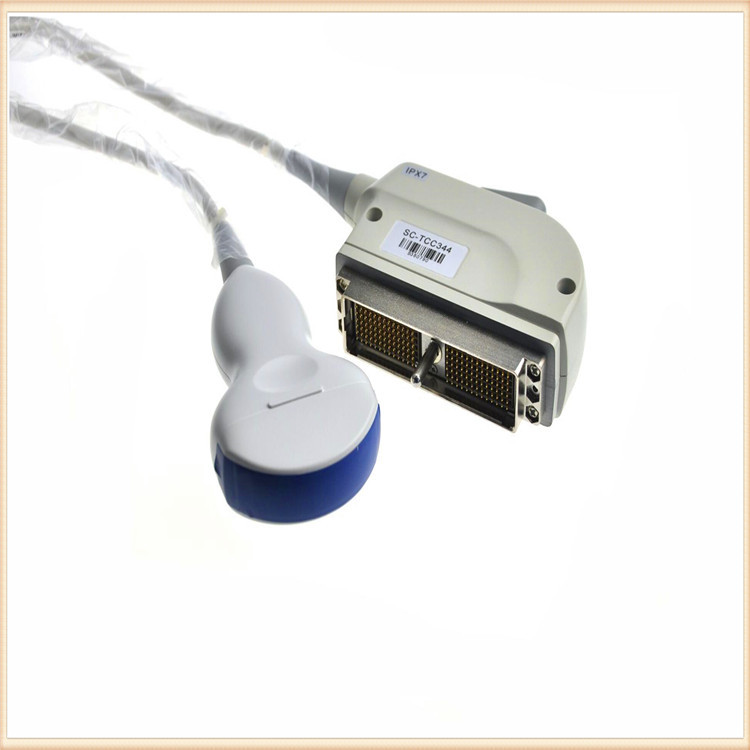
High-Performance Military Ultrasound Coaxial Cables: Built for Extreme Conditions Designed to meet the demanding requirements of military, aerospace, and medical applications, our Military-Grade Ultrasound Coaxial Cables deliver except.

Ultra-Flexible 42AWG Medical-Grade Coaxial Cables for High-Precision Ultrasound Imaging Designed for demanding medical imaging applications, our Ultra-Flexible 42AWG Coaxial Cables deliver exceptional signal integrity, noise reduction,.
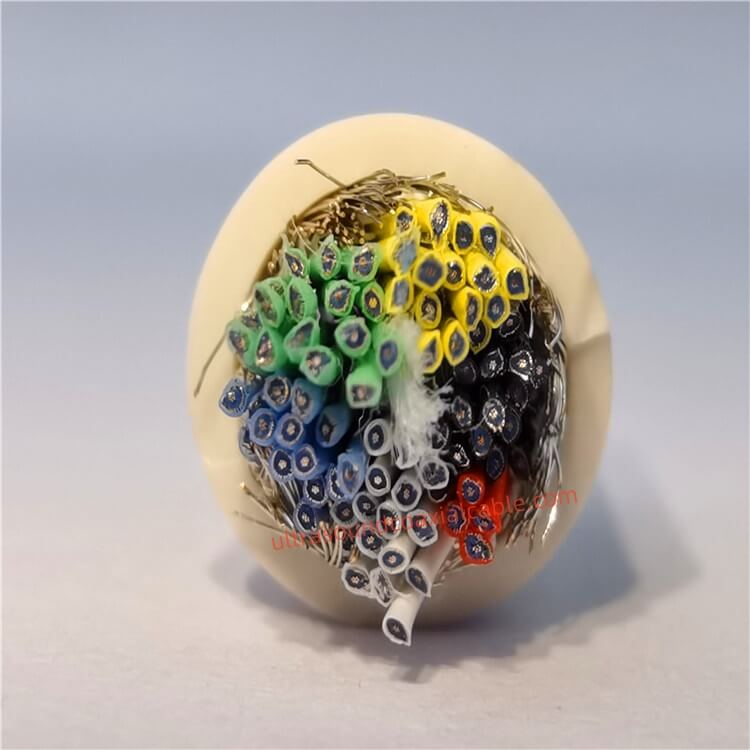
Product OverviewThe Ultrasound Coaxial Cable is a specialized cable engineered to deliver ultra-low signal loss, exceptional shielding, and unmatched durability in critical environments. Designed for medical imaging, industrial testi.
Feel free to reach out to us for any inquiries or orders.