Maintenance Required for Industrial Ultrasound Coaxial Cables Industrial ultrasound coaxial cables are critical components in various sectors, from medical imaging… - Professional Ultrasound Coaxial Cable Solutions
Learn more about, latest news, frequently asked questions
Industrial ultrasound coaxial cables are critical components in various sectors, from medical imaging to non-destructive testing (NDT) in oil and gas pipelines. These specialized cables, designed to transmit high-frequency signals with minimal loss, require diligent maintenance to ensure longevity and consistent performance. Proper care not only safeguards your equipment investment but also ensures the accuracy of diagnostic data and operational efficiency.
Industrial ultrasound coaxial cables are engineered with precision to meet the demands of high-frequency signal transmission. Typically constructed with a silver-plated copper alloy inner conductor and insulated with durable fluoropolymers, these cables are built to withstand challenging environments. The electrical properties are finely tuned, with a standard impedance of 50 ohms at 10 MHz, ensuring signal integrity critical for both medical diagnostics and industrial flaw detection .
The market for these cables is robust, driven primarily by the medical imaging industry, which accounts for over 60% of global ultrasound coaxial cable production. The rise of portable ultrasound devices, which saw a 12% annual growth between 2020 and 2023, underscores the need for cables that combine flexibility with durability. Additionally, the non-destructive testing (NDT) sector continues to be a significant driver, with a noted 9% year-on-year increase in ultrasonic NDT equipment sales in 2023 .
Regular inspection is the first line of defense against premature cable failure. A systematic approach should focus on each component:
These inspections can identify common issues like signal loss or interference early, which are often caused by connector corrosion or internal conductor damage. For instance, a 2023 survey highlighted that 82% of ultrasound manufacturers prioritize long-term supplier relationships to mitigate such risks, emphasizing the importance of using reliable components from trusted brands like FRS .
Proper cleaning is essential but must be performed with care to avoid damaging sensitive components.
Regular maintenance should include cleaning connectors with a cotton swab dipped in rubbing alcohol to remove dirt and corrosion, applying a small amount of dielectric grease to pins to prevent oxidation, and ensuring all connections are hand-tightened to avoid strain .
Environmental factors significantly impact cable lifespan. Extreme temperatures can cause materials to expand and contract, leading to cracks, while UV exposure can deteriorate the outer jacket .
The FRS brand prioritizes material science, developing cables with fluoropolymer insulation that offers superior resistance to temperature fluctuations and moisture, ensuring reliability in diverse industrial settings .
Despite best maintenance practices, cables will eventually wear. Key signs of deterioration include:
Implementing a routine testing schedule using cable testers to verify signal integrity can preempt failures. For businesses, partnering with a provider like FRS ensures access to cables that meet stringent standards, such as IEC 60601-1 for medical applications or MIL-SPEC for defense, reducing unplanned downtime .
Maintaining industrial ultrasound coaxial cables is not merely about fixing problems as they arise but involves a proactive strategy of regular inspection, proper cleaning, and environmental control. The growing reliance on these cables across medical, industrial, and emerging sectors like renewable energy underscores the value of a disciplined maintenance regimen. By investing in high-quality cables from innovative brands like FRS and adhering to these practices, businesses can protect their investments, ensure operational continuity, and maintain the high standards of data accuracy required in precision-critical industries .
Discover our most popular furniture pieces that are loved by customers worldwide.

High-Performance Flexible Coaxial Cable for Medical Imaging & Ultrasound Systems Designed for demanding applications in medical imaging, industrial diagnostics, and high-frequency signal transmission, this ultra-flexible coaxial ca.
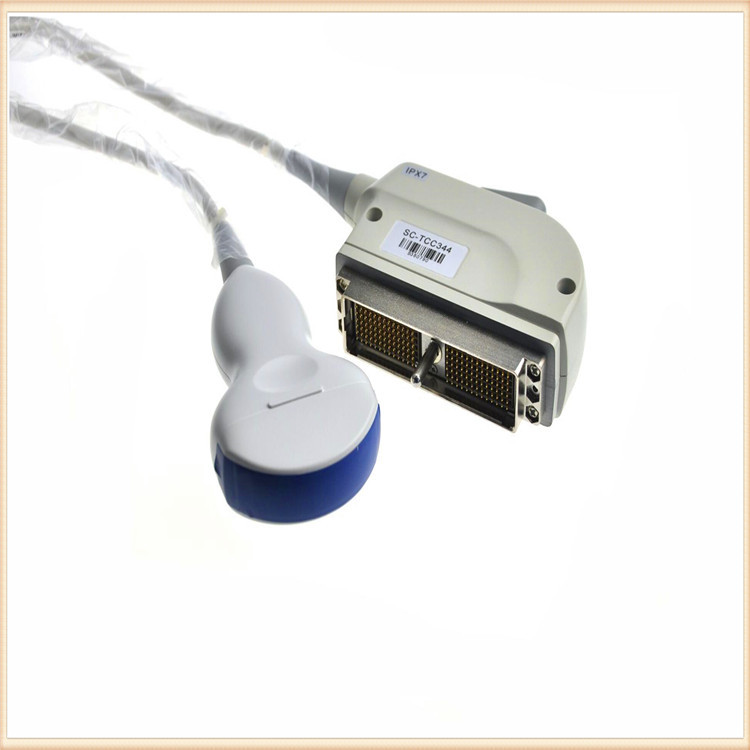
High-Performance Military Ultrasound Coaxial Cables: Built for Extreme Conditions Designed to meet the demanding requirements of military, aerospace, and medical applications, our Military-Grade Ultrasound Coaxial Cables deliver except.
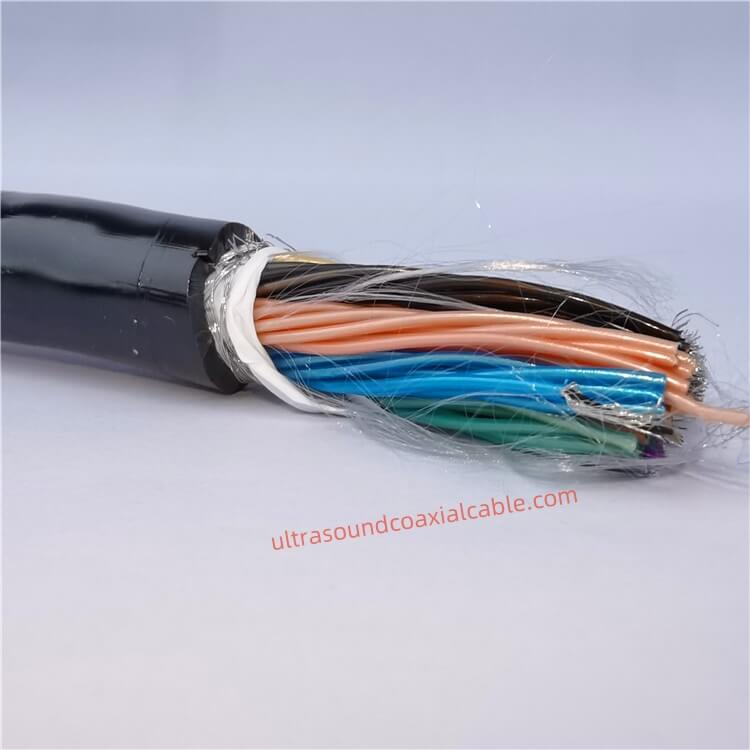
High-Performance Ultrasound Coaxial Cable Assembly: 42AWG to 30AWG, 6.6mm OD, 18GHz Bandwidth Engineered for precision in medical imaging and industrial applications, this customizable coaxial cable assembly delivers exceptional signal.
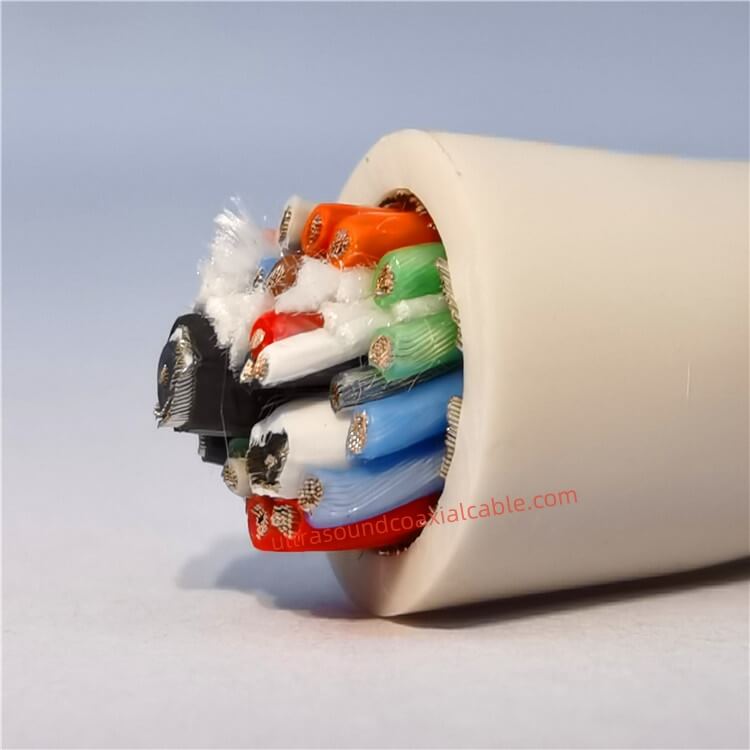
High-Precision 138-Core Medical Ultrasound Coaxial Cables | 0.2mm Ultra-Fine Biocompatible Design for Diagnostic Imaging Product Overview Engineered for advanced medical imaging systems, our 138-Core Medical Ultrasound Probe Coa.
Feel free to reach out to us for any inquiries or orders.