What is the Typical Impedance of an Ultrasound Coaxial Cable? Ultrasound coaxial cables are engineered to deliver precise signal transmission… - Professional Ultrasound Coaxial Cable Solutions
Learn more about, latest news, frequently asked questions
What is the Typical Impedance of an Ultrasound Coaxial Cable?
Ultrasound coaxial cables are engineered to deliver precise signal transmission in medical imaging, industrial diagnostics, and other high-frequency applications. A critical parameter in their design is impedance, which ensures minimal signal reflection and optimal performance. Here’s a detailed breakdown of their typical impedance characteristics and related considerations:
Most ultrasound coaxial cables are designed with 50 Ω impedance, a universal standard for RF and microwave systems. This value balances power handling and signal integrity, making it ideal for applications like:
However, specialized cables may feature 75 Ω impedance for compatibility with video or RF systems, though this is less common in ultrasound applications .
The impedance of an ultrasound coaxial cable depends on its physical and material properties:
For example, a cable with a 0.2 mm outer diameter and low-dielectric insulation might achieve 50 Ω impedance while maintaining flexibility for minimally invasive procedures .
When choosing an ultrasound coaxial cable:
Conclusion
Ultrasound coaxial cables typically feature 50 Ω impedance to optimize performance in medical and industrial applications. Their design balances precision, durability, and signal integrity, making them indispensable for high-frequency technologies. For tailored solutions, ensure impedance alignment with your system’s requirements.
TAGS: ultrasound coaxial cable impedance, 50 Ohm medical cable, RF signal transmission, low-loss coaxial cable, medical imaging components.
Discover our most popular furniture pieces that are loved by customers worldwide.
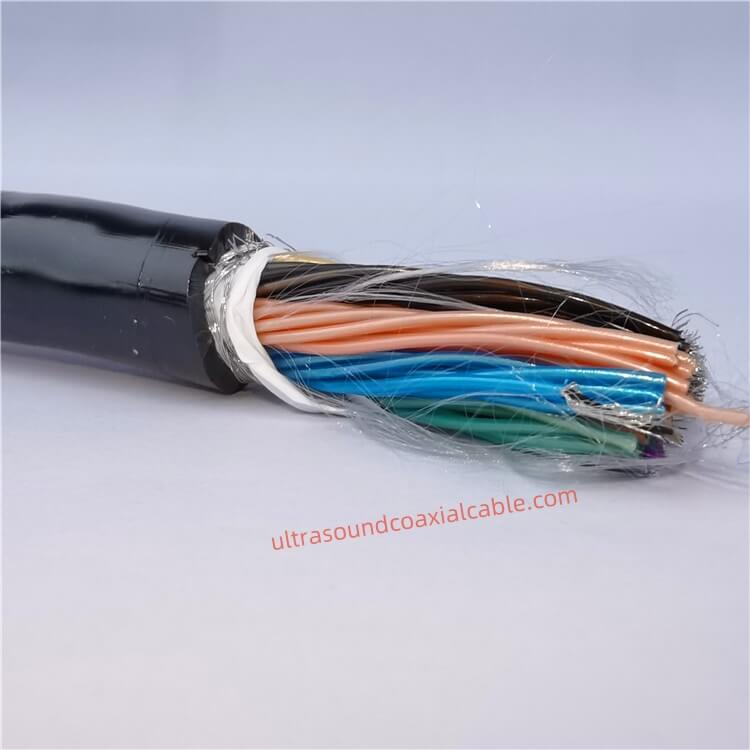
High-Performance Ultrasound Coaxial Cable Assembly: 42AWG to 30AWG, 6.6mm OD, 18GHz Bandwidth Engineered for precision in medical imaging and industrial applications, this customizable coaxial cable assembly delivers exceptional signal.
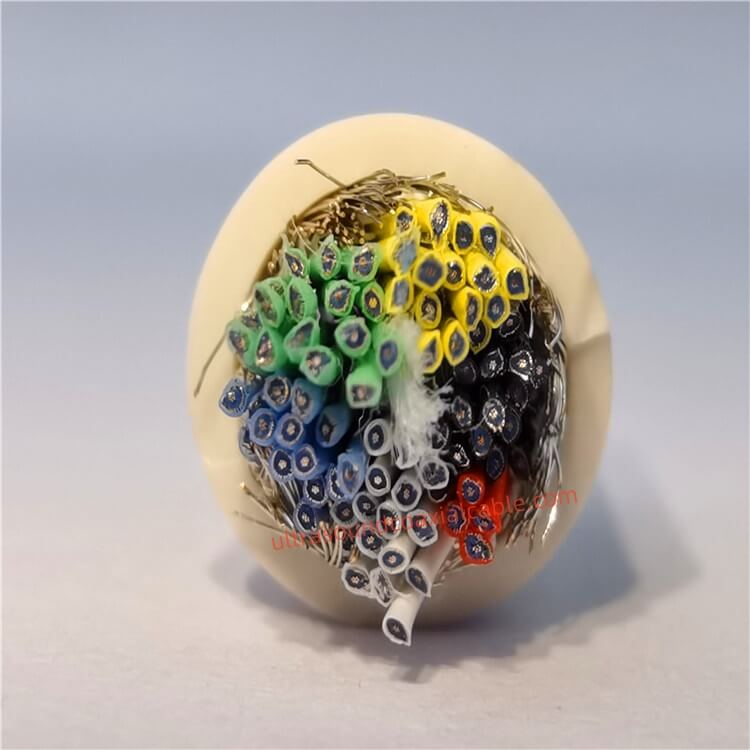
Product OverviewThe Ultrasound Coaxial Cable is a specialized cable engineered to deliver ultra-low signal loss, exceptional shielding, and unmatched durability in critical environments. Designed for medical imaging, industrial testi.

High-Performance Flexible Coaxial Cable for Medical Imaging & Ultrasound Systems Designed for demanding applications in medical imaging, industrial diagnostics, and high-frequency signal transmission, this ultra-flexible coaxial ca.

Ultra-Flexible 42AWG Medical-Grade Coaxial Cables for High-Precision Ultrasound Imaging Designed for demanding medical imaging applications, our Ultra-Flexible 42AWG Coaxial Cables deliver exceptional signal integrity, noise reduction,.
Feel free to reach out to us for any inquiries or orders.