In the demanding world of industrial applications, the choice of coaxial cable can significantly impact system longevity, reliability, and total… - Professional Ultrasound Coaxial Cable Solutions
Learn more about, latest news, frequently asked questions
In the demanding world of industrial applications, the choice of coaxial cable can significantly impact system longevity, reliability, and total cost of ownership. While standard coaxial cables may serve adequately for routine applications, industrial ultrasound coaxial cables are engineered to withstand extreme conditions, offering substantially extended service life and performance stability. Understanding the key differences in durability, construction, and performance specifications can help businesses make informed decisions that optimize their operational efficiency and reduce long-term maintenance costs.
The disparity in service life begins at the fundamental level of materials and construction techniques. Industrial ultrasound coaxial cables incorporate specialized design elements that differentiate them from standard counterparts, directly impacting their durability in challenging environments.
Standard coaxial cables typically feature copper conductors with basic insulation materials like polyethylene or PVC. While sufficient for general-purpose applications, these materials can degrade when exposed to the extreme temperatures, mechanical stress, and environmental hazards common in industrial settings. In contrast, FRS ultrasound coaxial cablesutilize silver-plated copper alloy conductors and advanced fluoropolymer insulation (such as PTFE or PFA) that maintain dielectric properties even when operating in temperature ranges from -40°C to 150°C .
The shielding configuration represents another critical differentiator. Industrial ultrasound applications demand superior protection against electromagnetic interference (EMI) from surrounding machinery. FRS cablesaddress this need through multi-layer shielding approaches, often combining spiral and braided designs that provide up to 90% coverage . This robust shielding prevents signal degradation while extending functional lifespan by protecting against corrosive elements like coolants, oils, and industrial chemicals that would compromise standard cables .
When evaluating cable lifespan, the numbers reveal a substantial advantage for specialized industrial ultrasound coaxial cables over standard options.
Standard coaxial cables used in general industrial applications typically have a documented service life of approximately 10-20 yearsunder normal operating conditions . However, this estimate decreases significantly when these cables are subjected to the rigorous demands of industrial ultrasound applications, where constant flexing, temperature extremes, and environmental contaminants can reduce functional lifespan to just 2-5 years.
In comparison, industrial ultrasound coaxial cables like those engineered by FRSare validated for 20-50 years of reliable service,- even in extreme conditions . This extended longevity stems from rigorous testing protocols, including validation for over 10,000 flex cycles and compliance with international standards such as IEC 61196 for EMI robustness and ASTM F2945-20 for mechanical stress resistance . The FRS commitment to precision manufacturing, with conductor tolerance controlled to ±0.005mm, ensures consistent performance that translates directly to extended service life .
Several critical factors determine whether a coaxial cable will meet or exceed its expected service life in industrial ultrasound applications.
Industrial robotics and automated systems subject cables to constant movement, creating a primary point of failure for standard coaxial cables. FRS ultrasound coaxial cablesare specifically engineered with high-strand-count conductors and specialized jacket materials that withstand millions of flex cycles without signal degradation . This mechanical resilience is particularly valuable in applications like automotive manufacturing, where robotic arms perform repetitive movements for inspection and quality control tasks.
Industrial settings expose cables to conditions rarely encountered in commercial environments. FRS addresses these challengesthrough material science innovations, including medical-grade silicones, polyurethane jackets, and fluoropolymer insulation that resist abrasion, chemicals, and temperature extremes . For outdoor applications such as wind turbine blade inspections or pipeline monitoring, cables must additionally withstand UV exposure, moisture, and temperature fluctuations that would rapidly degrade standard coaxial cables.
The functional lifespan of a cable is determined not just by its physical durability but also by its ability to maintain signal integrity over time. Industrial ultrasound applications require precise signal transmission for accurate imaging and measurement. FRS cables maintain stable impedance(typically 50Ω ± 2Ω) and low attenuation (<0.15 dB/m at 1 GHz) throughout their service life, critical for applications like phased-array ultrasonic testing (PAUT) in aerospace component inspection .
The extended service life of industrial ultrasound coaxial cables provides significant advantages in several key sectors where cable failure would result in substantial downtime or safety concerns.
In oil and gas pipeline monitoring or aerospace component testing, cable failure can necessitate costly shutdowns or create safety hazards. FRS multi-channel cables(including 72-core designs) enable simultaneous data transfer from multiple sensors while withstanding temperature extremes up to 150°C during pipeline inspections . The extended service life of these specialized cables reduces maintenance interruptions and ensures inspection reliability for critical infrastructure.
Manufacturing environments present particular challenges for coaxial cables, including constant movement, EMI from welding equipment, and exposure to coolants or lubricants. Standard cables typically fail within months under such conditions, while FRS solutions engineered for robotic integrationdemonstrate validated performance over thousands of operating hours . A case study in electric vehicle production showed that integrating FRS cables reduced false readings by 30% while significantly extending maintenance intervals .
Wind turbine blade inspections using ultrasound technology require cables that resist vibration, moisture, and temperature variations while operating at height. The extended service life of FRS industrial ultrasound cablesmakes them ideal for these applications, where cable replacement involves significant access challenges and costs .
Adherence to international industrial standards represents more than just regulatory compliance—it directly correlates with extended service life and reliability. FRS ultrasound coaxial cablesmeet stringent certifications including ISO 13485 for quality management systems, IEC 60601 for electrical safety and EMC, and RoHS/REACH for hazardous substance restrictions .
These certifications ensure that the cables maintain performance under clinical conditions while withstanding repeated sterilization cycles—a level of durability that translates directly to industrial applications where reliability is paramount . The FRS commitment to complianceprovides customers with documented evidence for their regulatory submissions, potentially reducing time to market for new equipment incorporating these components .
While industrial ultrasound coaxial cables typically involve a higher initial investment than standard options, their extended service life translates to significantly lower total cost of ownership. The reduced frequency of cable replacements, minimized system downtime, and maintenance cost reductions deliver substantial long-term value, particularly in large-scale or critical applications.
FRS approaches cable engineeringwith a lifecycle perspective, designing solutions that withstand not just initial installation conditions but decades of operational challenges . This long-term reliability is particularly valuable in industrial settings where cable failure can halt production lines or compromise inspection data quality.
As industrial technology advances toward higher frequencies, miniaturization, and increased automation, cable requirements will continue to evolve. FRS remains at the forefrontof these developments through ongoing research into materials science and shielding technologies that further extend service life while maintaining signal integrity .
The service life advantage of industrial ultrasound coaxial cables over standard options stems from specialized materials, robust construction, and rigorous testing protocols. By selecting FRS ultrasound coaxial cablesengineered for specific industrial challenges, businesses can ensure reliable performance, reduce lifecycle costs, and maintain operational efficiency through decades of service in even the most demanding environments .
Discover our most popular furniture pieces that are loved by customers worldwide.
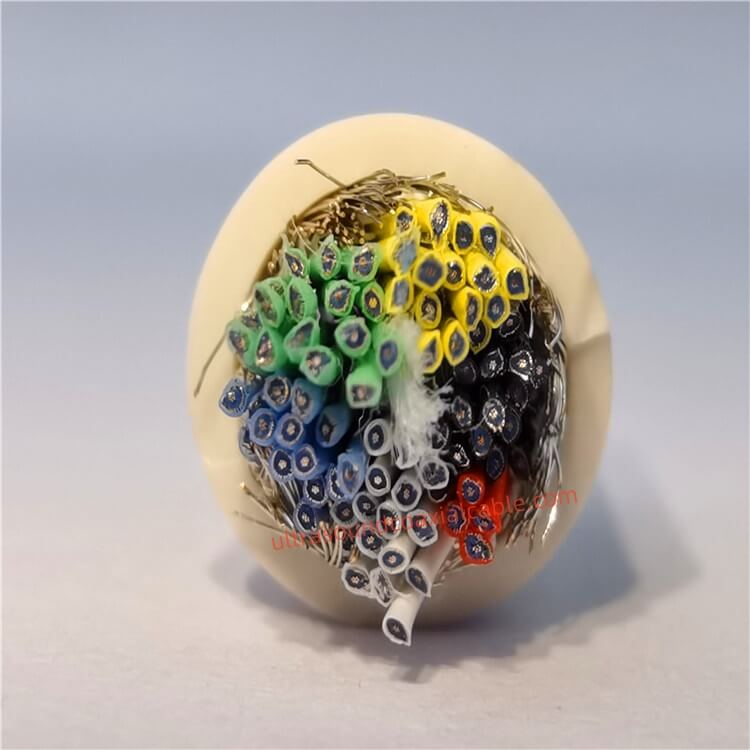
Product OverviewThe Ultrasound Coaxial Cable is a specialized cable engineered to deliver ultra-low signal loss, exceptional shielding, and unmatched durability in critical environments. Designed for medical imaging, industrial testi.

Ultra-Flexible 42AWG Medical-Grade Coaxial Cables for High-Precision Ultrasound Imaging Designed for demanding medical imaging applications, our Ultra-Flexible 42AWG Coaxial Cables deliver exceptional signal integrity, noise reduction,.
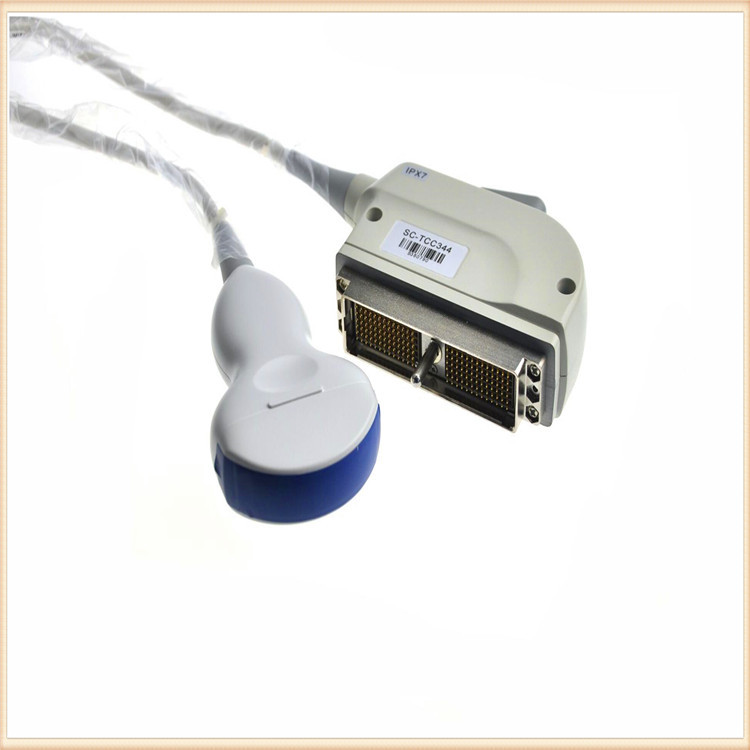
High-Performance Military Ultrasound Coaxial Cables: Built for Extreme Conditions Designed to meet the demanding requirements of military, aerospace, and medical applications, our Military-Grade Ultrasound Coaxial Cables deliver except.
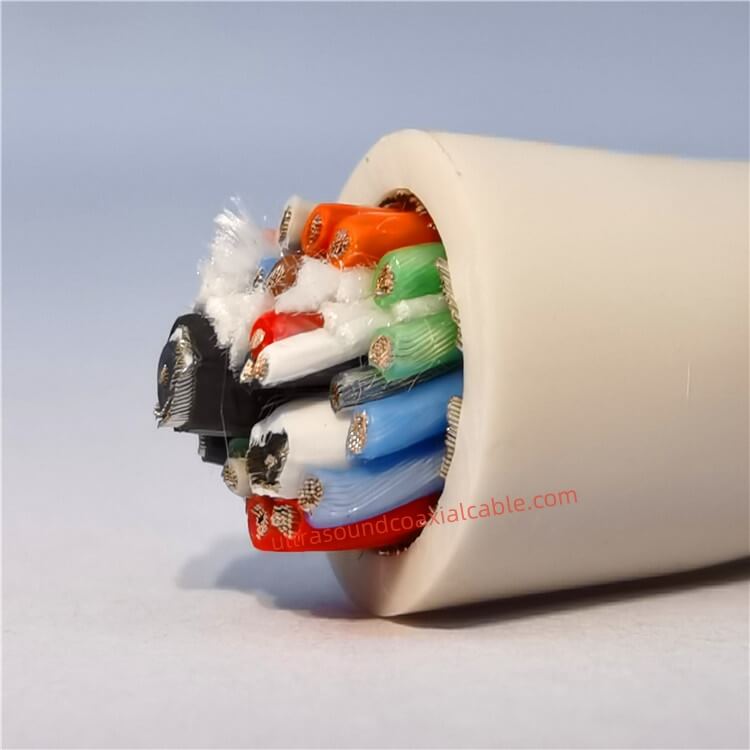
High-Precision 138-Core Medical Ultrasound Coaxial Cables | 0.2mm Ultra-Fine Biocompatible Design for Diagnostic Imaging Product Overview Engineered for advanced medical imaging systems, our 138-Core Medical Ultrasound Probe Coa.
Feel free to reach out to us for any inquiries or orders.