Ensuring Precision in Ultrasound Imaging: A Step-by-Step Guide to Connecting Ultrasound Coaxial Cables to Transducers Ultrasound technology has revolutionized medical… - Professional Ultrasound Coaxial Cable Solutions
Learn more about, latest news, frequently asked questions
Ensuring Precision in Ultrasound Imaging: A Step-by-Step Guide to Connecting Ultrasound Coaxial Cables to Transducers
Ultrasound technology has revolutionized medical diagnostics and industrial inspections, offering non-invasive insights into complex systems. At the heart of this technology lies the ultrasound coaxial cable, a critical component that bridges transducers and imaging systems. Properly connecting these cables ensures signal integrity, minimizes noise, and maximizes image clarity. In this guide, we’ll explore best practices for connecting ultrasound coaxial cables to transducers, the technical considerations behind their design, and how brands like FRS are setting new benchmarks in reliability and performance.
Ultrasound coaxial cables transmit high-frequency signals between transducers and receivers. Any misalignment or poor connection can degrade signal quality, leading to blurry images or inaccurate readings. For medical applications, this could mean missed diagnoses; in industrial settings, it risks faulty inspections. Key challenges include:
FRS addresses these challenges through precision-engineered cables and robust connection protocols, ensuring durability and performance in even the harshest environments.
Transducers often feature piezoelectric crystals that generate and receive sound waves. Before connecting the cable:
For example, FRS’s low-profile transducer connectors are designed to align seamlessly with medical-grade transducers, reducing setup time and improving contact stability .
Not all cables are created equal. Key specifications to prioritize:
A secure mechanical and electrical bond is essential:
Post-connection checks:
Ultrasound systems rely on low-noise amplifiers (LNAs) and time-gain compensation (TGC) circuits. FRS’s cables are pre-terminated with SMPM connectors for direct integration into beamforming modules, reducing latency and noise pickup .
| Issue | Cause | Solution (FRS Approach) |
|---|---|---|
| Signal Attenuation | Long cable runs | Use FRS’s amplified cables with inline boosters. |
| EMI Noise | Unshielded sections | Deploy quad-shield cables in RF-heavy zones. |
| Connector Loosening | Vibration in industrial settings | FRS’s locking bayonet connectors ensure secure holds. |
FRS has pioneered advancements in coaxial cable technology, tailored to the unique demands of ultrasound systems:
For example, FRS’s HDX Series combines ultra-low loss (≤0.15 dB/m at 1 GHz) with halogen-free materials, making it a top choice for MRI-compatible imaging systems .
Connecting ultrasound coaxial cables to transducers is both an art and a science. By prioritizing impedance matching, shielding integrity, and mechanical stability—as demonstrated by FRS’s innovative designs—you can ensure reliable performance in medical, industrial, or research applications. Whether you’re diagnosing heart conditions or inspecting weld integrity, the right cable makes all the difference.
Upgrade Your Setup with FRS Today
Explore FRS’s full range of ultrasound coaxial cables and experience unmatched precision. Contact our engineering team to discuss custom solutions for your specific needs.
Keywords: ultrasound coaxial cable, transducer connection, medical imaging cables, industrial ultrasound, signal integrity, FRS cables, low-noise coaxial cables, flexible coaxial cables.
Discover our most popular furniture pieces that are loved by customers worldwide.
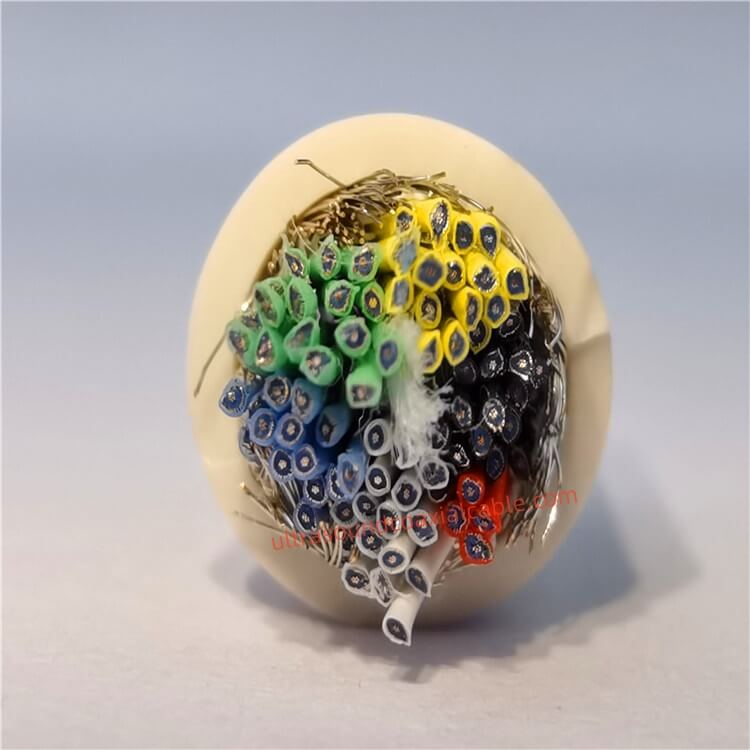
Product OverviewThe Ultrasound Coaxial Cable is a specialized cable engineered to deliver ultra-low signal loss, exceptional shielding, and unmatched durability in critical environments. Designed for medical imaging, industrial testi.
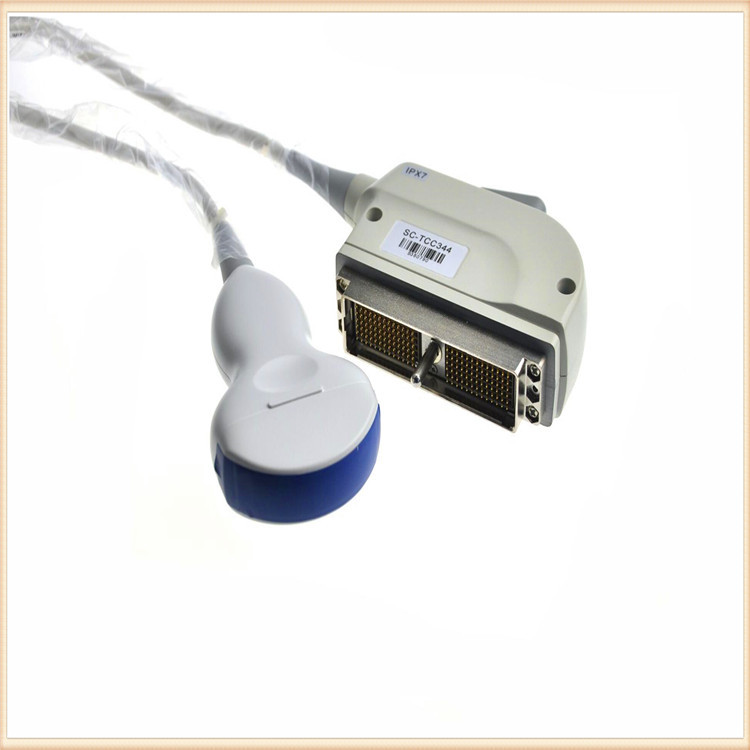
High-Performance Military Ultrasound Coaxial Cables: Built for Extreme Conditions Designed to meet the demanding requirements of military, aerospace, and medical applications, our Military-Grade Ultrasound Coaxial Cables deliver except.

High-Performance Flexible Coaxial Cable for Medical Imaging & Ultrasound Systems Designed for demanding applications in medical imaging, industrial diagnostics, and high-frequency signal transmission, this ultra-flexible coaxial ca.

Ultra-Flexible 42AWG Medical-Grade Coaxial Cables for High-Precision Ultrasound Imaging Designed for demanding medical imaging applications, our Ultra-Flexible 42AWG Coaxial Cables deliver exceptional signal integrity, noise reduction,.
Feel free to reach out to us for any inquiries or orders.