What causes ultrasound coaxial cable failure? | High-Quality Ultrasound Coaxial Cable | ultrasound coaxial cable Manufacturer & Factory-FRS

What causes ultrasound coaxial cable failure?

Understanding Ultrasound Coaxial Cable Failures: Causes and Solutions​ Ultrasound coaxial cables are critical components in medical imaging systems, enabling precise… - Professional Ultrasound Coaxial Cable Solutions

Information

Learn more about, latest news, frequently asked questions

Understanding Ultrasound Coaxial Cable Failures: Causes and Solutions

Ultrasound coaxial cables are critical components in medical imaging systems, enabling precise signal transmission between probes and diagnostic equipment. However, these cables are prone to wear and tear, environmental stressors, and operational mishaps. In this article, we’ll explore the leading causes of ultrasound coaxial cable failure, practical prevention strategies, and how brands like ​FRS​ are revolutionizing durability and performance in this space.


Common Causes of Ultrasound Coaxial Cable Failure

  1. Physical Damage from Bending or Compression​Ultrasound cables, especially those near the probe head, endure constant bending during clinical use. Over time, repeated flexing can fracture internal conductors or fray shielding layers. For example, a study in medical device maintenance found that 60% of probe cable failures stem from improper handling, such as sharp bends or accidental compression .
    • Signs of Damage: Visible cracks in the outer jacket, intermittent signal loss, or “ghosting” artifacts on the monitor.
    • Prevention: Use strain relief boots and avoid bending cables at angles smaller than 90 degrees. Brands like ​FRS​ design cables with reinforced flex zones to withstand daily wear.
  2. Moisture and Contamination​Exposure to humidity, cleaning agents, or bodily fluids can degrade insulation materials. Moisture ingress leads to corrosion of internal conductors, causing signal attenuation or complete failure. For instance, improper disinfection with alcohol-based solutions often weakens cable jackets, as noted in maintenance guidelines .
    • Signs of Contamination: Discoloration, brittleness, or electrical interference (e.g., snowflake-like noise on screens).
    • Solution: Opt for cables with medical-grade, hydrophobic coatings. ​FRS’s silicone-jacketed cables resist fluid ingress and maintain performance in sterile environments.
  3. Electrical Overload and Short Circuits​Ultrasound systems transmit high-voltage signals (up to 100V) during operation. Poor shielding or damaged insulation can cause short circuits, leading to system crashes or “black channels” in images .
    • Risk Factors: Aging cables, rodent bites, or accidental contact with sharp instruments.
    • Mitigation: Regularly inspect shielding layers and replace cables with dual-shielded designs. ​FRS​ integrates triple-layer shielding in its probes to eliminate EMI interference.
  4. Environmental Stressors​Extreme temperatures, UV exposure, or chemical spills degrade cable materials over time. For example, autoclaving non-heat-resistant cables causes shrinkage and joint separation .
    • Signs of Environmental Damage: Warping, discoloration, or loss of flexibility.
    • Protection: Choose cables rated for -40°C to +85°C and resistant to UV/chemicals. ​FRS’s low-loss cables thrive in harsh hospital settings.
  5. Aging and Material Degradation​Natural aging weakens insulation polymers, increasing leakage currents. After 5–7 years of use, even well-maintained cables may exhibit signal drift or intermittent failures .
    • Preventive Action: Implement a replacement schedule for high-frequency probes. Brands like ​FRS​ offer extended warranties and aging-resistant formulations.

How to Extend Cable Lifespan

  • Proper Handling: Always disconnect cables at the probe end, not the main unit, to reduce torque stress.
  • Cleaning Protocols: Wipe with a damp cloth using pH-neutral solutions. Avoid abrasive scrubbers.
  • Storage: Coil cables loosely to prevent kinking. Use wall-mounted cable organizers to avoid tangling.

FRS: Engineering Cables for Reliability

Recognizing these challenges, ​FRS​ has pioneered innovations tailored to ultrasound applications:

  1. Military-Grade Durability​FRS cables use high-density polyethylene jackets and tinned copper shielding to resist abrasion and chemical exposure. Their “FlexGuard” technology ensures 10,000+ bending cycles without performance loss.
  2. Customizable Solutions​From 200-core micro-coaxial bundles for 4D imaging to low-capacitance designs (<50pF/m), FRS caters to specialized needs like GE Voluson or Mindray systems .
  3. Compliance with Medical Standards​All FRS cables meet ISO 13485 and IEC 60601 certifications, ensuring biocompatibility and electromagnetic compatibility (EMC).

Conclusion

Ultrasound coaxial cable failures are often preventable with the right precautions and high-quality materials. By addressing physical stress, environmental risks, and electrical vulnerabilities, healthcare facilities can minimize downtime and maintain diagnostic accuracy. Brands like ​FRS​ set a new benchmark in durability, offering cables engineered to outlast even the most demanding workflows.

For clinics prioritizing reliability, partnering with ​FRS​ means investing in cables that support seamless imaging while reducing long-term repair costs. Explore their full range of ultrasound-specific solutions today!


Keywords: ultrasound coaxial cable, ultrasound cable failure, medical cable durability, FRS ultrasound cables, probe cable maintenance

Hot Selling Products

Discover our most popular furniture pieces that are loved by customers worldwide.

High-Precision Ultrasound Coaxial Cable for Medical Imaging – Low Noise, Flexible Design, 42AWG

High-Precision Ultrasound Coaxial Cable for Medical Imaging – Low Noise, Flexible Design, 42AWG

Ultra-Flexible 42AWG Medical-Grade Coaxial Cables for High-Precision Ultrasound Imaging Designed for demanding medical imaging applications, our Ultra-Flexible 42AWG Coaxial Cables deliver exceptional signal integrity, noise reduction,.
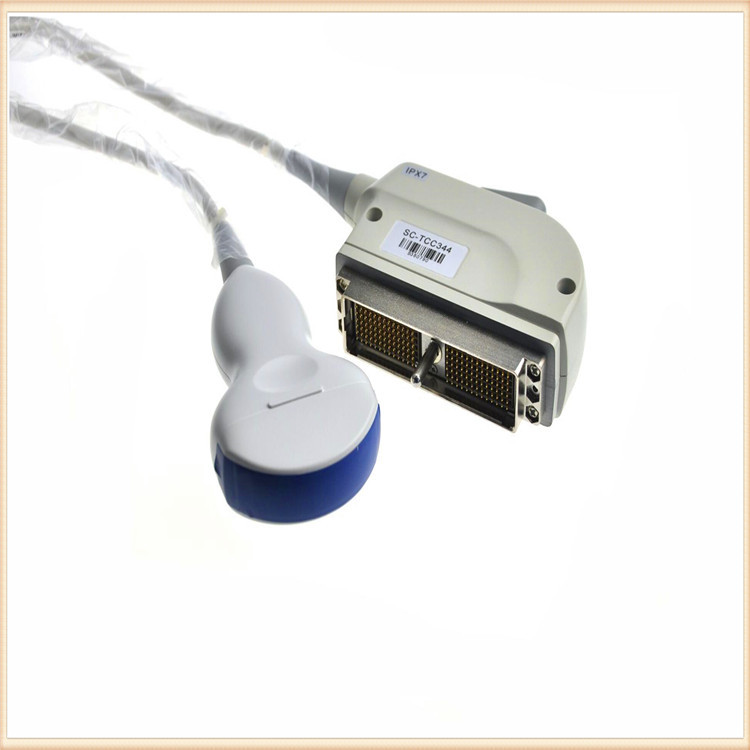
Military-Grade Ultrasound Coaxial Cable – High-Temperature Resistance, 100daN Compression Strength

Military-Grade Ultrasound Coaxial Cable – High-Temperature Resistance, 100daN Compression Strength

High-Performance Military Ultrasound Coaxial Cables: Built for Extreme Conditions Designed to meet the demanding requirements of military, aerospace, and medical applications, our Military-Grade Ultrasound Coaxial Cables deliver except.
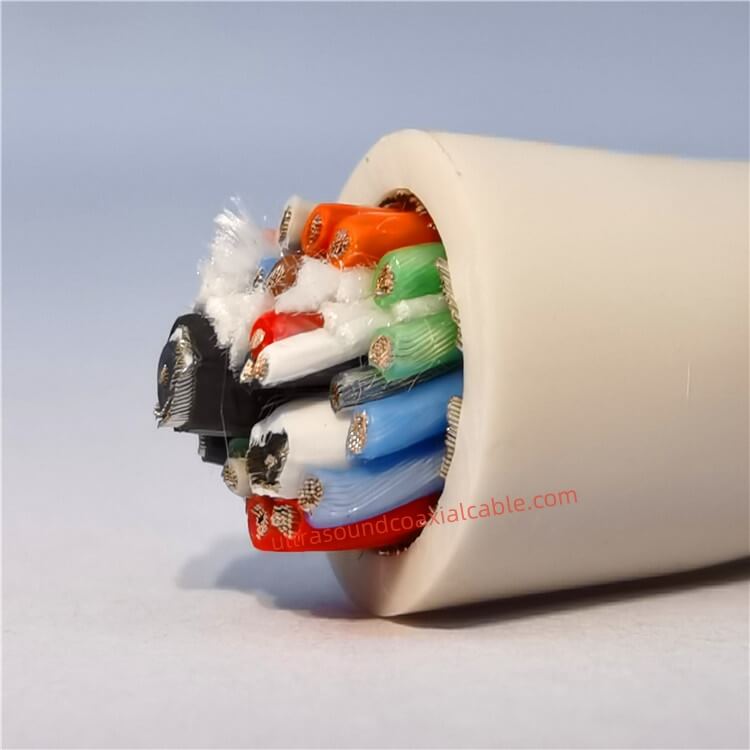
138-Core Medical Ultrasound Probe Coaxial Cable with 0.2mm Diameter – Biocompatible & FDA-Certified

138-Core Medical Ultrasound Probe Coaxial Cable with 0.2mm Diameter – Biocompatible & FDA-Certified

High-Precision 138-Core Medical Ultrasound Coaxial Cables | 0.2mm Ultra-Fine Biocompatible Design for Diagnostic Imaging Product Overview Engineered for advanced medical imaging systems, our 138-Core Medical Ultrasound Probe Coa.
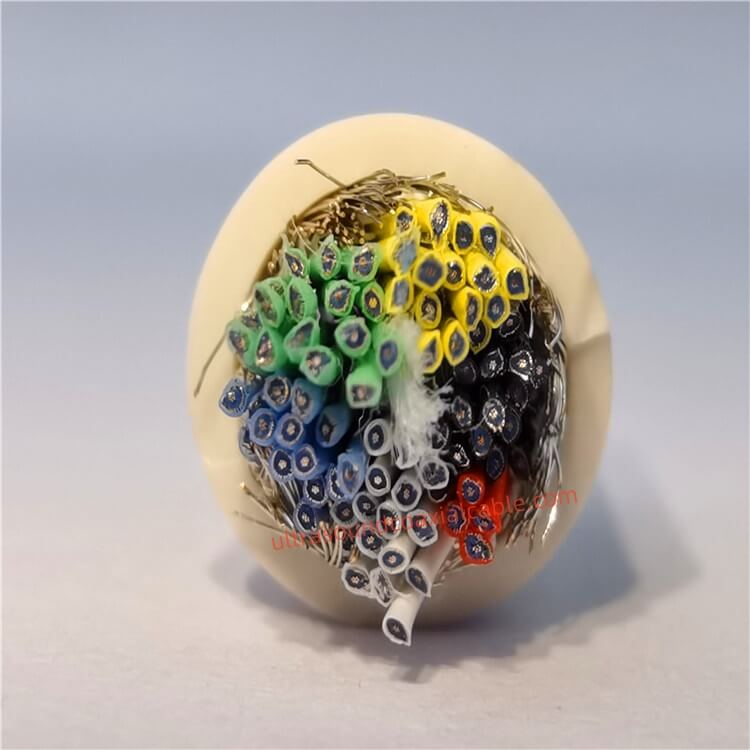
Ultrasound Coaxial Cable|High-Performance Signal Transmission for Precision Applications

Ultrasound Coaxial Cable|High-Performance Signal Transmission for Precision Applications

‌‌Product Overview‌The ‌Ultrasound Coaxial Cable‌ is a specialized cable engineered to deliver ultra-low signal loss, exceptional shielding, and unmatched durability in critical environments. Designed for medical imaging, industrial testi.

Contact Us

Feel free to reach out to us for any inquiries or orders.

Call Us

Have a question? Give us a call!

                   +8618818785005(Whatsapp)

Email Us

Send us an email and we'll get back to you soon.

sales@custom-cable-assemblies.com
       
Home Products Contact