Summary: High-performance ultrasound coaxial cables are specialized transmission lines engineered to deliver exceptional signal integrity, durability, and reliability in critical… - Professional Ultrasound Coaxial Cable Solutions
Learn more about, latest news, frequently asked questions
Summary: High-performance ultrasound coaxial cables are specialized transmission lines engineered to deliver exceptional signal integrity, durability, and reliability in critical medical imaging and industrial applications. These cables combine ultra-low signal attenuation with robust mechanical stability, ensuring precise data transmission in high-frequency environments. With advanced shielding technologies, medical-grade biocompatibility, and customizable configurations, they serve as the backbone for modern ultrasound systems, supporting everything from cardiac diagnostics to non-destructive testing in aerospace and automotive sectors.
High-performance ultrasound coaxial cables are designed to operate flawlessly across a broad frequency spectrum, typically supporting bandwidths up to 18GHz. This broadband capability is essential for transmitting high-frequency ultrasound signals (1MHz–100MHz) with minimal signal loss, maintaining imaging clarity in diagnostic applications. The characteristic impedance of these cables is precisely controlled at 50Ω or 75Ω, ensuring compatibility with ultrasound probes and diagnostic equipment while minimizing signal reflections that can degrade image quality. Low attenuation rates—often less than 0.5 dB/m at 1 GHz—are achieved through advanced dielectric materials like PTFE (polytetrafluoroethylene) and FEP (fluorinated ethylene propylene), which maintain stable electrical properties across the operating frequency range. This precision engineering enables the transmission of high-resolution imaging data without the “waterfall effects” caused by improper impedance matching, resulting in sharper, artifact-free images critical for accurate medical diagnoses.
The effectiveness of ultrasound coaxial cables in rejecting electromagnetic interference (EMI) is a defining characteristic of high-performance designs. These cables typically employ multi-layer shielding configurations, combining foil and braided copper layers to achieve shielding efficiencies exceeding 90%. Triple-layer shielding architectures—incorporating foil, braid, and drain wire—provide up to 110dB of interference rejection, making them ideal for use in environments with high electromagnetic noise, such as MRI suites or industrial facilities. Silver-plated copper conductors further enhance high-frequency response by reducing resistance and improving signal transmission efficiency. This robust shielding is particularly critical in medical applications where even minor signal interference can compromise diagnostic accuracy, and in industrial settings where machinery-generated EMI could mask critical flaw detection signals.
The core conductor materials in high-performance ultrasound coaxial cables are engineered for optimal signal transmission and mechanical durability. High-purity oxygen-free copper conductors ensure uncompromised signal integrity, while silver-plated variants offer enhanced conductivity for ultra-high frequency applications. Conductor gauges typically range from 30AWG to 42AWG, balancing flexibility with signal-carrying capacity. The dielectric insulation layer—often made from PTFE or FEP foam—is designed with low dielectric constants (typically 2.1 @ 1GHz) to minimize signal loss and maintain phase stability. These materials also provide excellent thermal stability, with operating temperature ranges extending from -55°C to +125°C, making them suitable for both medical sterilization processes and harsh industrial environments.
The outer jacket materials are selected based on application requirements, with medical-grade silicone and polyurethane being common choices for their flexibility, chemical resistance, and biocompatibility. These materials are resistant to repeated sterilization processes, including autoclaving up to 134°C and chemical cleaning with alcohol or ethylene oxide. For industrial applications, reinforced jackets with Kevlar or stainless steel braiding provide enhanced abrasion resistance and mechanical strength. The cables are engineered to withstand extreme mechanical stress, with some designs capable of enduring 100daN compression strength and 10,000+ mating cycles without performance degradation. This durability is achieved through reinforced connector interfaces, strain-relief boots, and fatigue-resistant materials that maintain signal integrity even under continuous flexing and bending.
High-performance ultrasound coaxial cables for medical applications must meet stringent biocompatibility standards, including ISO 10993 for materials that contact human tissue. These cables use medical-grade silicone, polyurethane, or ETFE insulation that minimize allergic reactions and ensure patient safety during diagnostic procedures. The materials are also designed to withstand rigorous sterilization protocols, including autoclave cycles, ethylene oxide gas sterilization, and chemical disinfection, without compromising performance or material integrity. Halogen-free insulation materials and RoHS-certified components further ensure environmental safety and compliance with global regulatory requirements.
Leading manufacturers maintain comprehensive certification portfolios that include ISO 13485 for medical device quality management systems, ISO 9001 for general quality management, and IATF 16949 for automotive applications. Additional certifications such as UL, CE, and FDA 510(k) clearance demonstrate compliance with international safety and performance standards. These certifications are supported by rigorous testing protocols that include electrical performance validation, mechanical durability testing, and environmental stress testing to ensure reliable operation in real-world conditions. Full traceability documentation, material safety data sheets (MSDS), and lot-numbered production records provide the necessary audit trail for regulatory compliance and quality assurance.
High-performance ultrasound coaxial cables offer extensive customization options to meet specific application requirements. Connector choices include SMA, Type N, BNC, LEMO, and Hirose terminations, with options for quick-disconnect designs, IP67-rated waterproof seals, and custom pin configurations. The cables are available in standard lengths from 0.5m to 30m, with custom routing and length options to match specific device layouts. Multi-core configurations—such as 138-core bundles with 0.2mm ultra-fine diameters—enable high-density signal transmission in compact medical probes and endoscopic systems. These custom solutions ensure seamless integration with existing equipment while optimizing performance for specific use cases.
Different applications demand unique cable characteristics. Medical imaging systems require ultra-flexible, lightweight cables with small bend radii for maneuverability during procedures. Industrial non-destructive testing (NDT) applications need rugged cables with enhanced EMI shielding and temperature resistance for harsh environments. Research and development applications may require specialized impedance matching or phase-stable designs for precise signal analysis. Manufacturers like FRS work closely with customers to understand these specific requirements and develop tailored solutions that balance performance, durability, and cost-effectiveness. This application-focused approach ensures that each cable is optimized for its intended use, whether it’s for cardiac imaging, pipeline inspection, or scientific research.
The global ultrasound coaxial cable market is experiencing steady growth, driven by increasing adoption of medical ultrasound technology, advancements in non-destructive testing, and the expansion of healthcare infrastructure in emerging economies. The market is projected to grow at a compound annual growth rate (CAGR) of 5-7% over the next five to seven years, reaching an estimated value of 800millionto1.1 billion by 2030. North America currently leads the market, driven by advanced healthcare systems and significant investments in medical technology. The Asia-Pacific region shows particularly strong growth potential, with a projected CAGR of 12.5%, fueled by healthcare infrastructure expansion and increasing demand for diagnostic imaging equipment.
Emerging trends in ultrasound coaxial cable technology include the development of ultra-high frequency (UHF) cables optimized for transmitting signals in the hundreds of megahertz and gigahertz range, enabling higher resolution imaging. Miniaturization continues to be a key focus, with manufacturers developing ultra-thin cables (as small as 0.2mm diameter) for minimally invasive procedures and compact medical devices. Smart cables with integrated sensors for real-time monitoring of signal integrity, temperature, and strain are gaining traction, enhancing diagnostic accuracy and equipment longevity. Material innovations, such as self-healing nanocomposite insulation and sustainable, recyclable materials, are also shaping the future of cable design. The integration of artificial intelligence (AI) and machine learning in ultrasound analysis is indirectly driving demand for higher quality, more reliable data transmission, further emphasizing the importance of high-performance coaxial cables.
One of the most common challenges in ultrasound coaxial cable applications is signal degradation due to attenuation and electromagnetic interference. This can manifest as image artifacts, reduced signal strength, or complete signal loss during procedures. The solution lies in selecting cables with low-loss dielectric materials, advanced multi-layer shielding, and proper impedance matching. Regular testing using methods like pulse reflection testing and HDTDR (High Definition Time Domain Reflectometry) can help identify and locate faults before they impact performance. For critical applications, investing in cables with silver-plated conductors and triple-layer shielding provides an additional layer of protection against signal degradation.
Repeated bending, twisting, and mechanical stress can lead to conductor breakage, insulation damage, and connector failure over time. High-performance cables address these challenges through reinforced construction, strain-relief designs, and materials engineered for high flex life. Proper handling and storage practices—such as avoiding sharp bends (maintaining a minimum bend radius of at least 10 times the cable diameter) and using protective sleeves—can significantly extend cable lifespan. For applications requiring extreme durability, manufacturers offer cables with reinforced shielding, Kevlar reinforcement, and connectors rated for 10,000+ mating cycles.
Medical-grade cables must withstand repeated sterilization cycles without degradation, while industrial cables may need to operate in extreme temperatures or harsh chemical environments. Solutions include selecting cables with medical-grade silicone jackets that are autoclave-safe up to 134°C, or industrial-grade cables with temperature ratings from -55°C to +125°C. For chemical resistance, materials like PTFE and FEP provide excellent protection against solvents, oils, and cleaning agents. Proper cleaning protocols and regular inspection for signs of material degradation help maintain performance and ensure patient safety in medical applications.
High-performance ultrasound coaxial cables are essential components in medical imaging systems, connecting ultrasound probes to processing units for applications ranging from cardiac and obstetric imaging to musculoskeletal diagnostics. These cables enable the transmission of high-frequency signals (2-15MHz range) with minimal loss, ensuring real-time imaging accuracy and diagnostic confidence. In endoscopic and minimally invasive procedures, ultra-flexible, miniature coaxial cables navigate tight anatomical spaces while maintaining signal integrity. The biocompatibility and sterilization resistance of these cables make them suitable for repeated use in clinical environments, supporting life-saving diagnostic applications.
In industrial settings, ultrasound coaxial cables are used for non-destructive testing applications such as ultrasonic thickness gauging, crack detection, and weld inspection. These cables transmit high-frequency signals to phased array probes that identify micro-cracks in materials like turbine blades, pipeline welds, and aerospace components. The rugged construction, high-temperature resistance, and EMI shielding capabilities of industrial-grade cables ensure reliable performance in harsh environments, including oil refineries, chemical plants, and manufacturing facilities. The ability to withstand vibration, abrasion, and extreme temperatures makes these cables indispensable for quality control and safety inspections across multiple industries.
Research laboratories and academic institutions utilize high-performance ultrasound coaxial cables for cutting-edge studies in acoustic metamaterials, material analysis, and sonar systems. These applications demand cables with exceptional phase stability, low noise, and precise impedance control to ensure accurate data collection and analysis. The versatility of these cables—supporting frequencies from DC to 18GHz—makes them suitable for a wide range of scientific instruments, from RF/microwave laboratories to underwater acoustic sensors. Custom configurations and specialized materials enable researchers to push the boundaries of what’s possible in fields like biomedical research, materials science, and environmental monitoring.
FRS stands out as a leader in ultrasound coaxial cable manufacturing, combining over 20 years of expertise with cutting-edge technology and global certifications. Our commitment to quality is demonstrated by our ISO 9001, ISO 13485, and IATF 16949 certifications, ensuring that every cable meets the highest standards of performance and reliability. We offer comprehensive customization options, from conductor gauges and connector types to length and routing configurations, allowing us to tailor solutions to your specific application requirements. Our technical support team provides 24/7 assistance for installation, troubleshooting, and customization, backed by same-day prototyping capabilities for rapid iteration and development. Whether you’re developing next-generation medical imaging systems or industrial inspection equipment, FRS delivers the precision, durability, and performance your applications demand.
Discover our most popular furniture pieces that are loved by customers worldwide.
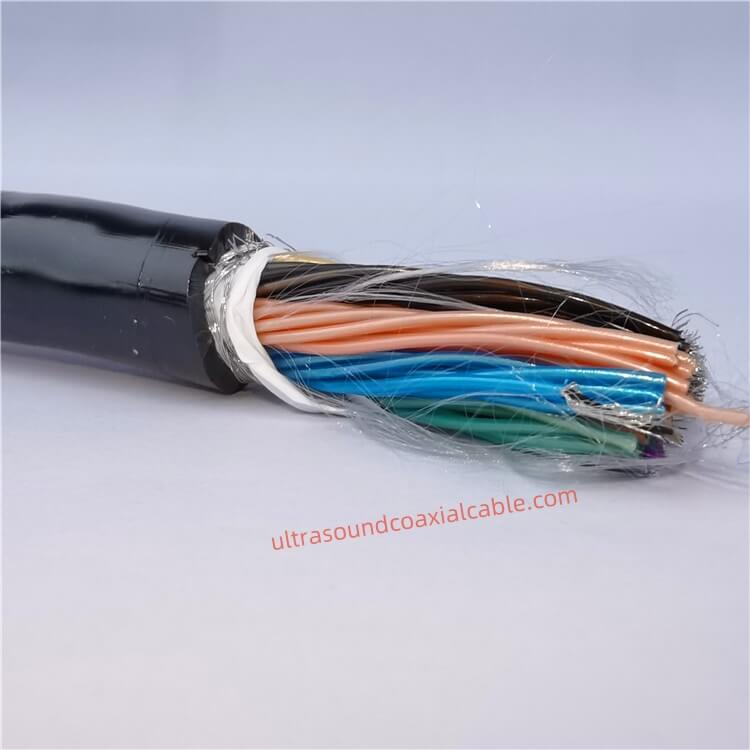
High-Performance Ultrasound Coaxial Cable Assembly: 42AWG to 30AWG, 6.6mm OD, 18GHz Bandwidth Engineered for precision in medical imaging and industrial applications, this customizable coaxial cable assembly delivers exceptional signal.

High-Performance Flexible Coaxial Cable for Medical Imaging & Ultrasound Systems Designed for demanding applications in medical imaging, industrial diagnostics, and high-frequency signal transmission, this ultra-flexible coaxial ca.

Ultra-Flexible 42AWG Medical-Grade Coaxial Cables for High-Precision Ultrasound Imaging Designed for demanding medical imaging applications, our Ultra-Flexible 42AWG Coaxial Cables deliver exceptional signal integrity, noise reduction,.
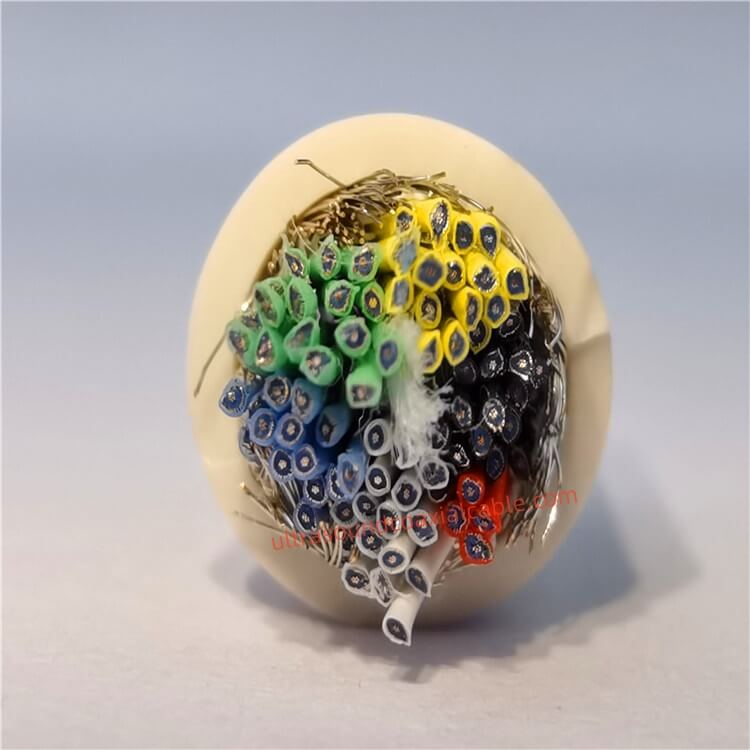
Product OverviewThe Ultrasound Coaxial Cable is a specialized cable engineered to deliver ultra-low signal loss, exceptional shielding, and unmatched durability in critical environments. Designed for medical imaging, industrial testi.
Feel free to reach out to us for any inquiries or orders.