When selecting coaxial cables for critical applications, understanding the fundamental differences between medical-grade and standard coaxial cables is essential. Medical-grade… - Professional Ultrasound Coaxial Cable Solutions
Learn more about, latest news, frequently asked questions
When selecting coaxial cables for critical applications, understanding the fundamental differences between medical-grade and standard coaxial cables is essential. Medical-grade coaxial cables are engineered to meet stringent regulatory requirements and deliver superior performance in demanding healthcare environments, while standard coaxial cables are designed for general-purpose applications with less rigorous specifications. This comprehensive guide explores the technical distinctions, industry standards, and practical considerations that separate these two cable categories.
Medical-grade coaxial cables prioritize signal fidelity with ultra-low attenuation characteristics. For ultrasound applications operating between 2-20 MHz, medical-grade cables typically achieve attenuation levels of ≤0.1 dB/m at 10 MHz, ensuring minimal signal degradation over long cable runs. In contrast, standard coaxial cables may exhibit attenuation levels 3-5 times higher, compromising image clarity in diagnostic applications. The difference becomes critical in high-resolution imaging where signal distortion can lead to diagnostic inaccuracies.
Electromagnetic interference (EMI) protection is paramount in medical environments crowded with electronic equipment. Medical-grade coaxial cables employ multi-layer shielding configurations, typically combining braided copper with foil layers to achieve 100% coverage and 3× better EMI resistance than single-shielded alternatives. Standard coaxial cables often use single-layer braiding, leaving them vulnerable to interference from MRI machines, wireless devices, and other medical equipment operating in close proximity.
Medical-grade cables must comply with ISO 10993 standards for biocompatibility, ensuring materials are safe for human contact. These cables use pure copper conductors, medical-grade polyethylene or PTFE insulation, and UV-resistant PVC or polyurethane jackets that withstand repeated sterilization cycles. Standard coaxial cables may contain materials that are not biocompatible and lack the durability to endure autoclave sterilization or chemical disinfection protocols common in healthcare settings.
Medical-grade coaxial cables must meet a comprehensive set of international standards, including:
These certifications ensure traceable documentation, validated materials, and consistent quality controls throughout the manufacturing process. Standard coaxial cables typically lack these rigorous certifications and may only meet basic electrical safety standards.
Medical-grade cables undergo extensive testing protocols, including electrical continuity and impedance testing, visual and mechanical inspections, and documentation of results. Manufacturers must maintain comprehensive quality management systems with full traceability from raw materials to finished products. Standard coaxial cables may undergo basic electrical testing but lack the comprehensive quality assurance processes required for medical applications.
The ultrasound coaxial cable market demonstrates robust growth, expanding from USD 48.24 billion in 2024 to USD 52.16 billion in 2025, with an expected CAGR of 8.11% to reach USD 90.05 billion by 2032. This growth is driven by increasing demand for next-generation diagnostic imaging, military-grade communications, and industrial non-destructive testing applications. The market’s expansion underscores the critical role of high-performance coaxial cables in modern healthcare and industrial sectors.
Medical Imaging Applications:
Industrial Applications:
Standard coaxial cables are typically limited to consumer electronics, cable TV, and internet applications where signal fidelity and environmental durability are less critical.
Medical-grade cables balance flexibility with structural integrity through semi-rigid or helically wound designs. For portable ultrasound devices, 42-44 AWG stranded conductors provide the necessary maneuverability without sacrificing signal quality. Industrial applications may prioritize rigid cables with solid copper conductors for lower attenuation but reduced flexibility. Standard coaxial cables often lack this engineering optimization, offering either extreme flexibility with poor signal integrity or rigidity without the necessary performance characteristics.
Medical-grade cables ensure connector compatibility with leading ultrasound systems from manufacturers like GE Healthcare, Philips, and Masimo. Connectors such as BNC, SMA, and DIN must maintain low-contact resistance to prevent signal leakage and support sterilization compatibility. Standard coaxial cables typically use generic connectors that may not integrate seamlessly with medical equipment interfaces.
Leading medical cable manufacturers like FRS offer extensive customization options, including specific impedance tuning, jacket modifications, and custom connector configurations. This level of customization is essential for OEM partners developing specialized medical devices. Standard coaxial cables are typically available in limited configurations with minimal customization options.
While medical-grade coaxial cables may have higher upfront costs compared to standard alternatives, they offer superior total cost of ownership through:
Standard coaxial cables may appear cost-effective initially but can lead to higher long-term costs through frequent replacements, signal quality issues, and potential regulatory non-compliance.
| Parameter | Medical-Grade Coaxial Cable | Standard Coaxial Cable |
|---|---|---|
| Attenuation at 10 MHz | ≤0.1 dB/m | 0.3-0.5 dB/m |
| Shielding Effectiveness | 100% coverage (foil + braid) | 60-80% coverage (single braid) |
| Biocompatibility | ISO 10993 compliant | Not compliant |
| Sterilization Compatibility | Autoclave and chemical resistant | Limited resistance |
| Regulatory Certifications | ISO 13485, FDA, CE, UL | Basic electrical safety |
| Warranty Period | 12+ months | 3-6 months |
| Customization Options | Extensive (length, connectors, shielding) | Limited |
The trend toward smaller medical devices drives demand for miniature coaxial cables with 26AWG conductors and advanced shielding technologies. These cables must maintain signal integrity while fitting into increasingly compact spaces, such as laparoscopic tools and endoscopic probes. FRS’s ultra-fine conductor technology with 38AWG cables and <3.3Ω/km resistance represents the cutting edge of this innovation.
High-speed data transmission requirements for telemedicine applications demand low-loss cables (<0.5dB/m) capable of supporting 5G connectivity. Medical-grade cables must evolve to handle higher frequencies while maintaining signal integrity in wireless environments. This capability is essential for remote diagnostics and real-time data transmission in telemedicine platforms.
The medical device industry is increasingly prioritizing sustainability, with demand for recyclable thermoplastic jackets and lead-free soldering processes. FRS’s recyclable PTFE jackets have demonstrated 40% waste reduction compared to traditional PVC, aligning with the EU Circular Economy Action Plan and broader environmental initiatives.
When selecting a medical-grade coaxial cable manufacturer, consider:
FRS Technology Co., Ltd stands out with over 20 years of industry experience, ISO9001/IATF16949/ISO13485 certifications, and comprehensive customization capabilities for medical and industrial applications.
Successful medical device development requires collaboration with manufacturers who understand both technical requirements and regulatory compliance. FRS’s end-to-end traceability, global logistics network, and technical expertise make them a preferred partner for OEMs developing next-generation medical devices. Their commitment to quality and innovation ensures that medical-grade coaxial cables meet the highest standards of performance and reliability.
The distinction between medical-grade and standard coaxial cables extends beyond technical specifications to encompass regulatory compliance, material quality, and application-specific engineering. Medical-grade cables represent a critical investment in patient safety, diagnostic accuracy, and long-term reliability. As the ultrasound coaxial cable market continues to grow, partnering with certified manufacturers like FRS ensures access to cutting-edge solutions that meet the evolving demands of healthcare and industrial applications.
Discover our most popular furniture pieces that are loved by customers worldwide.
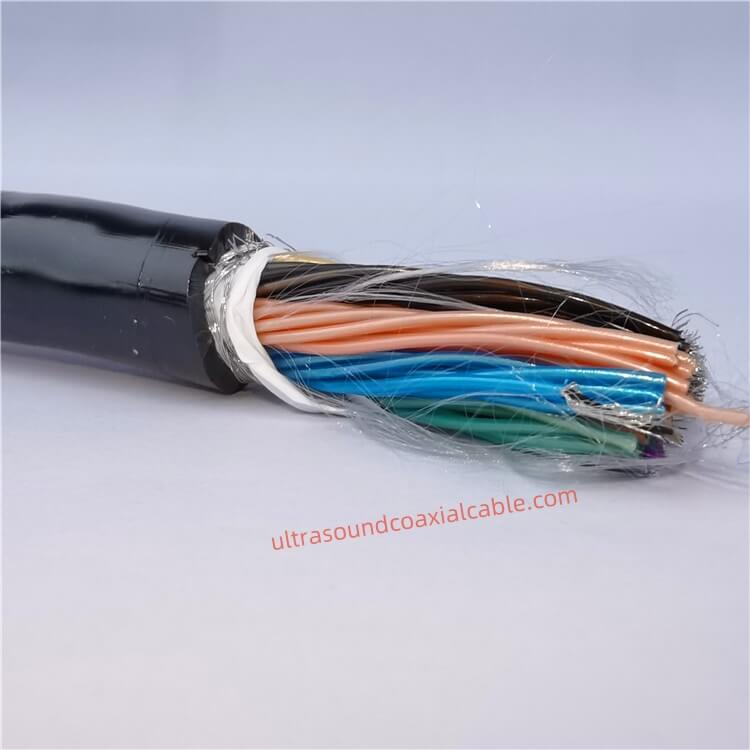
High-Performance Ultrasound Coaxial Cable Assembly: 42AWG to 30AWG, 6.6mm OD, 18GHz Bandwidth Engineered for precision in medical imaging and industrial applications, this customizable coaxial cable assembly delivers exceptional signal.
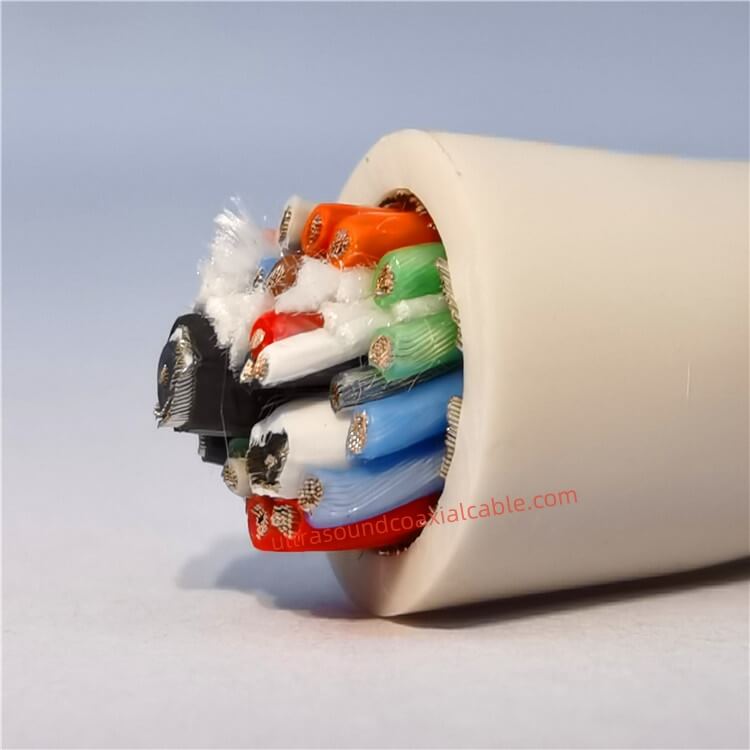
High-Precision 138-Core Medical Ultrasound Coaxial Cables | 0.2mm Ultra-Fine Biocompatible Design for Diagnostic Imaging Product Overview Engineered for advanced medical imaging systems, our 138-Core Medical Ultrasound Probe Coa.

Ultra-Flexible 42AWG Medical-Grade Coaxial Cables for High-Precision Ultrasound Imaging Designed for demanding medical imaging applications, our Ultra-Flexible 42AWG Coaxial Cables deliver exceptional signal integrity, noise reduction,.
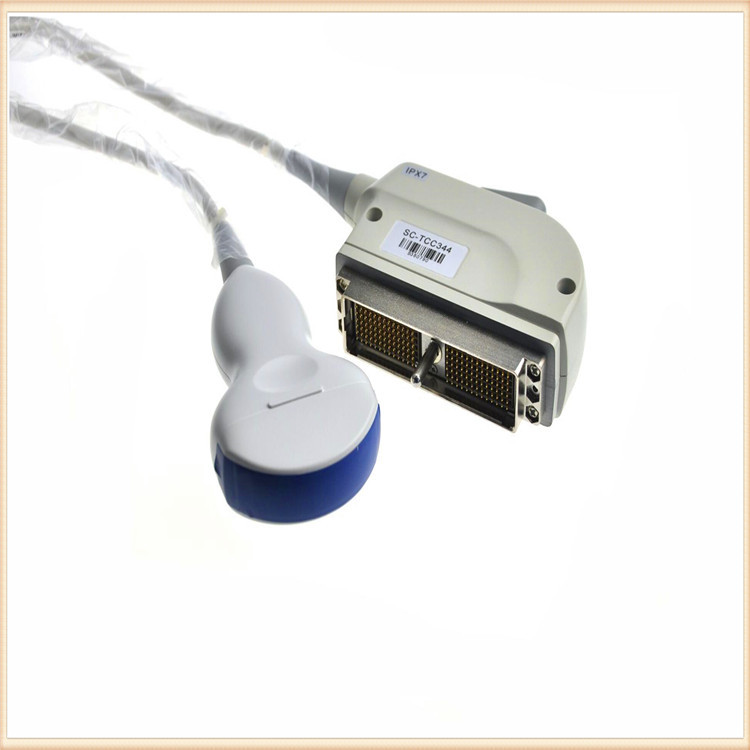
High-Performance Military Ultrasound Coaxial Cables: Built for Extreme Conditions Designed to meet the demanding requirements of military, aerospace, and medical applications, our Military-Grade Ultrasound Coaxial Cables deliver except.
Feel free to reach out to us for any inquiries or orders.