Selecting the appropriate industrial ultrasound coaxial cable is critical for ensuring optimal performance in various applications ranging from medical imaging… - Professional Ultrasound Coaxial Cable Solutions
Learn more about, latest news, frequently asked questions
Selecting the appropriate industrial ultrasound coaxial cable is critical for ensuring optimal performance in various applications ranging from medical imaging to non-destructive testing. These specialized cables transmit high-frequency signals with precision, and choosing the wrong cable can result in signal degradation, equipment malfunction, or even system failure. This guide provides a comprehensive framework for selecting the right coaxial cable based on your specific industrial requirements .
Industrial ultrasound coaxial cables are engineered with a complex layered structure that includes an inner conductor, dielectric insulator, metallic shield, and outer jacket. The inner conductor, typically made of copper or aluminum, carries the electrical signal, while the dielectric insulator maintains impedance stability. A metallic shield—often braided or foil—protects against electromagnetic interference (EMI), and the outer jacket provides durability against environmental factors .
Key specifications to consider include:
In medical applications, such as ultrasound diagnostic machines or portable handheld devices, cables must meet stringent biocompatibility standards (e.g., ISO 10993-5). They should be ultra-flexible to withstand repeated bending and twisting during procedures. For example, cables used in GE ultrasound probes often feature 42-46 AWG fine wires with fatigue resistance exceeding 300,000 flex cycles . These cables also require low signal attenuation (e.g., <0.5 dB/m at 10 MHz) to ensure high-definition imaging. The global demand for portable ultrasound devices has grown by 12% annually, driving the need for thinner, lighter cables with enhanced durability .
In sectors like aerospace, oil and gas, and automotive manufacturing, ultrasound coaxial cables must endure harsh conditions, including extreme temperatures (up to 150°C), moisture, and physical abrasion. Cables used in pipeline inspections or wind turbine blade testing often require ruggedized jackets and UV-resistant materials for outdoor use. For instance, the market for ultrasonic NDT equipment saw a 9% year-on-year sales increase in 2023, highlighting the demand for reliable cables . These applications benefit from semi-rigid coaxial cables like RG-402, which offer superior shielding for frequencies up to 40 GHz .
In automotive ADAS (Advanced Driver-Assistance Systems), ultrasonic sensors for parking assistance rely on coaxial cables with robust EMI shielding. Each vehicle typically incorporates 8–12 ultrasonic sensors, each requiring a cable that can withstand vibration and temperature fluctuations. Similarly, aerospace applications demand cables meeting MIL-SPEC certifications for reliability in critical systems like radar or communications equipment .
The cable must support the frequency range of your application. While lower-frequency systems (≤1 GHz) may use standard cables like RG-6, high-frequency ultrasound systems (e.g., 4K/8K broadcasting or medical imaging above 10 GHz) require low-loss cables such as RG-402 or specialized micro-coaxial designs. At higher frequencies, signal attenuation increases—for example, a standard cable may lose 2–3 dB/m at 15 MHz, whereas a low-loss cable limits attenuation to <1 dB/m .
Consider operating conditions:
Industrial cables must adhere to region-specific standards:
At FRS, our coaxial cables are pre-certified to meet these standards, reducing time-to-market for OEMs. For example, our UltraFlex-X series exceeds IEC 60601-1-2 requirements for EMC, ensuring compatibility with sensitive medical devices .
The global ultrasound coaxial cable market is projected to grow at a CAGR of 5.8% through 2030, driven by demand from healthcare, automotive, and renewable energy sectors. In particular, the Asia-Pacific region leads adoption with a 12.5% CAGR, fueled by healthcare infrastructure expansions in China and India . Meanwhile, material innovations—such as fluoropolymer-insulated cables—have improved flexibility by 20% compared to 2018 models, addressing ergonomic needs in medical and industrial settings .
Raw materials (e.g., copper, fluoropolymers) constitute 55–65% of cable production costs. While copper price volatility can impact margins, investing in higher-quality materials upfront often reduces lifetime costs. For example, low-loss cables may be 30–40% more expensive initially but can eliminate the need for signal boosters in long-distance runs, saving up to 50% in total system costs . FRS addresses this through hybrid designs that balance premium materials with cost efficiency, such as copper-clad aluminum conductors for medium-range applications .
Start by defining your requirements:
For custom needs, FRS offers tailored solutions—from 38–46 AWG micro-coaxial cables for portable ultrasound probes to armored designs for NDT applications. Our engineers collaborate with clients to optimize parameters like capacitance, impedance, and shielding based on real-world operating conditions .
By aligning cable specifications with application demands, you can achieve reliable signal transmission, reduce downtime, and extend system lifespan. As technologies evolve, partnering with a knowledgeable supplier like FRS ensures access to innovative solutions that meet future challenges .
Discover our most popular furniture pieces that are loved by customers worldwide.

Ultra-Flexible 42AWG Medical-Grade Coaxial Cables for High-Precision Ultrasound Imaging Designed for demanding medical imaging applications, our Ultra-Flexible 42AWG Coaxial Cables deliver exceptional signal integrity, noise reduction,.
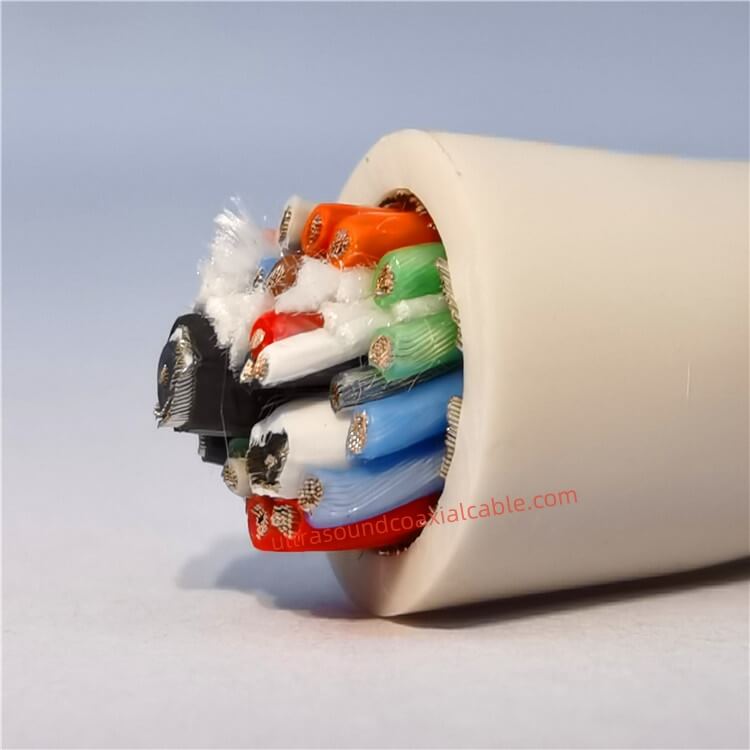
High-Precision 138-Core Medical Ultrasound Coaxial Cables | 0.2mm Ultra-Fine Biocompatible Design for Diagnostic Imaging Product Overview Engineered for advanced medical imaging systems, our 138-Core Medical Ultrasound Probe Coa.

High-Performance Flexible Coaxial Cable for Medical Imaging & Ultrasound Systems Designed for demanding applications in medical imaging, industrial diagnostics, and high-frequency signal transmission, this ultra-flexible coaxial ca.
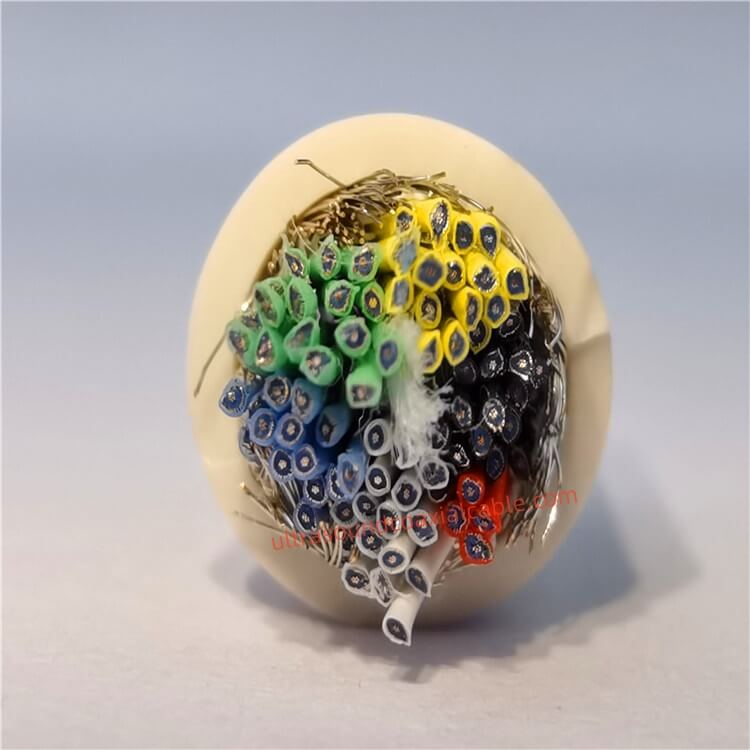
Product OverviewThe Ultrasound Coaxial Cable is a specialized cable engineered to deliver ultra-low signal loss, exceptional shielding, and unmatched durability in critical environments. Designed for medical imaging, industrial testi.
Feel free to reach out to us for any inquiries or orders.