How to secure an ultrasound coaxial cable in place? | High-Quality Ultrasound Coaxial Cable | ultrasound coaxial cable Manufacturer & Factory-FRS

How to secure an ultrasound coaxial cable in place?

Ensuring Stability in Ultrasound Imaging: A Step-by-Step Guide to Cable Management​ Ultrasound coaxial cables are the unsung heroes of medical… - Professional Ultrasound Coaxial Cable Solutions

Information

Learn more about, latest news, frequently asked questions

Ensuring Stability in Ultrasound Imaging: A Step-by-Step Guide to Cable Management

Ultrasound coaxial cables are the unsung heroes of medical imaging and industrial diagnostics. These cables transmit high-frequency signals critical for generating clear, accurate visuals, making their stability and durability essential. Whether you’re setting up a clinic, maintaining industrial equipment, or troubleshooting a home ultrasound device, securing these cables properly can prevent signal loss, interference, and physical damage. In this guide, we’ll break down actionable steps to stabilize ultrasound coaxial cables effectively, along with insights into choosing the right tools and techniques.


1. Understand the Anatomy of Ultrasound Coaxial Cables

Before diving into installation, it’s crucial to recognize the components of a typical ultrasound coaxial cable. These cables consist of:

  • Inner conductor: Usually made of copper or tinned copper, responsible for carrying the signal.
  • Dielectric insulator: A non-conductive layer (e.g., foam or polyethylene) that separates the inner and outer conductors.
  • Braided shield: A mesh of copper wires that blocks electromagnetic interference (EMI).
  • Outer jacket: A durable material (e.g., PVC or Teflon) protecting the internal layers from physical damage and moisture.

For medical applications like ultrasound therapy or imaging, cables must meet strict safety and performance standards. For example, RG-6 cables are commonly used due to their 75-ohm impedance and ability to handle frequencies up to 1 GHz .


2. Prepare the Workspace and Tools

Proper preparation ensures efficiency and safety. Gather these essentials:

  • Cable stripper: Removes the outer jacket and dielectric without damaging the inner conductor.
  • Compression tool: Secures connectors tightly (e.g., F-type or BNC connectors).
  • Heat shrink tubing: Adds waterproofing and strain relief.
  • Cable ties or clamps: For securing cables to surfaces.

Pro Tip: Use a non-conductive mat to prevent accidental shorts, especially in environments with moisture or metal surfaces.


3. Install Connectors Correctly

Loose or improperly attached connectors are a leading cause of signal degradation. Follow these steps:

  1. Strip the Cable: Remove 1–2 inches of the outer jacket, exposing the braided shield. Then, strip the dielectric to reveal the inner conductor .
  2. Attach the Connector:
    • For F-type connectors (common in TV and satellite setups), slide the connector onto the cable and crimp it using a compression tool. Ensure the shield is fully engaged.
    • For medical-grade connectors, follow manufacturer guidelines to maintain impedance matching (e.g., 50 or 75 ohms) .
  3. Seal with Heat Shrink: Apply heat to shrink tubing over the connector for added protection against moisture and abrasion.

Why It Matters: A poorly crimped connector can introduce noise or signal loss, critical in applications like Doppler ultrasound where precision is paramount.


4. Secure Cables Physically

Cables subjected to movement or environmental stress need robust anchoring. Here’s how to stabilize them:

  • Use Cable Clamps: Attach clamps every 12–18 inches along walls or equipment racks. Avoid overtightening to prevent kinking.
  • Cable Management Sleeves: Bundle multiple cables together to reduce tangling and friction.
  • Anchor to Structural Elements: Secure cables to studs or brackets using UV-resistant zip ties, especially in outdoor or high-traffic areas .

Case Study: Hospitals often use color-coded cable ties to differentiate imaging systems, ensuring quick troubleshooting without disrupting operations.


5. Guard Against Interference and Wear

Ultrasound signals are sensitive to EMI and physical damage. Implement these safeguards:

  • Shielding Checks: Ensure the braided shield is tightly wound and not frayed. Replace cables with damaged shielding immediately.
  • Avoid Sharp Bends: Keep bends at least 10 times the cable’s diameter to prevent conductor breakage.
  • Weatherproofing: Use gel-filled connectors or waterproof enclosures in humid or outdoor settings .

Example: Marine ultrasound units use gel seals to protect cables from saltwater corrosion, extending their lifespan by years.


6. Test and Maintain Your Setup

Regular maintenance prevents costly downtime. Perform these checks:

  • Continuity Testing: Use a multimeter to verify signal flow. A broken conductor will show infinite resistance.
  • Signal Quality Checks: Monitor image resolution and audio clarity in imaging systems. Degraded signals may indicate poor connections.
  • Replace Aging Cables: Over time, dielectric breakdown can occur. Replace cables every 3–5 years or sooner if signs of wear appear .

Why FRS Stands Out in Ultrasound Coaxial Solutions

When it comes to reliability, ​FRS Coaxial Cables​ are engineered for excellence. Their products feature:

  • Military-Grade Durability: Resistant to extreme temperatures, moisture, and chemical exposure.
  • Precision Impedance Matching: Ensures minimal signal reflection, critical for high-frequency applications like therapeutic ultrasound.
  • Customizable Solutions: Available in lengths and connector types (e.g., SMA, TNC) to suit diverse setups.

For clinics and technicians, FRS cables reduce setup time and enhance diagnostic accuracy. Their tinned copper conductors resist oxidation, while the braided shielding blocks EMI from nearby electronic devices.


Final Tips for Long-Term Performance

  • Label Cables: Use adhesive tags to identify connections, simplifying maintenance.
  • Avoid Overloading Circuits: Ensure power sources match the cable’s voltage rating.
  • Train Staff: Proper handling during installation and repairs minimizes wear.

By following these steps and investing in quality cables like those from FRS, you’ll ensure your ultrasound systems operate at peak performance, delivering clear, reliable results every time. Whether you’re in healthcare, industrial diagnostics, or R&D, stable coaxial connections are the foundation of success.

Ready to upgrade your setup? Explore FRS’s lineup of ultrasound coaxial cables today and experience unmatched signal integrity. 🛠️🔌

Hot Selling Products

Discover our most popular furniture pieces that are loved by customers worldwide.

Ultra-Flexible Coaxial Cable for Ultrasound Transducers – 44AWG, 0.15dB/m Attenuation at 1GHz

Ultra-Flexible Coaxial Cable for Ultrasound Transducers – 44AWG, 0.15dB/m Attenuation at 1GHz

High-Performance Flexible Coaxial Cable for Medical Imaging & Ultrasound Systems Designed for demanding applications in medical imaging, industrial diagnostics, and high-frequency signal transmission, this ultra-flexible coaxial ca.
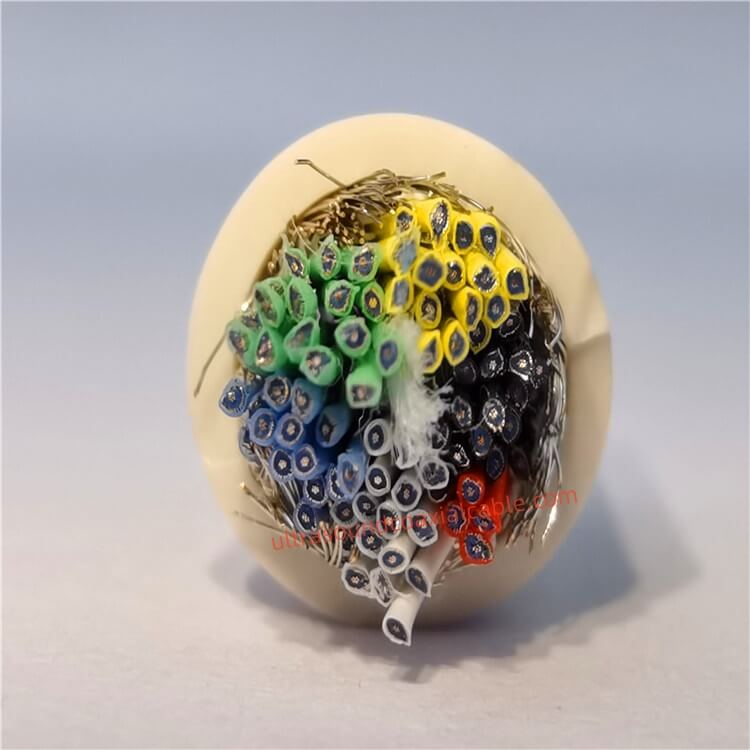
Ultrasound Coaxial Cable|High-Performance Signal Transmission for Precision Applications

Ultrasound Coaxial Cable|High-Performance Signal Transmission for Precision Applications

‌‌Product Overview‌The ‌Ultrasound Coaxial Cable‌ is a specialized cable engineered to deliver ultra-low signal loss, exceptional shielding, and unmatched durability in critical environments. Designed for medical imaging, industrial testi.
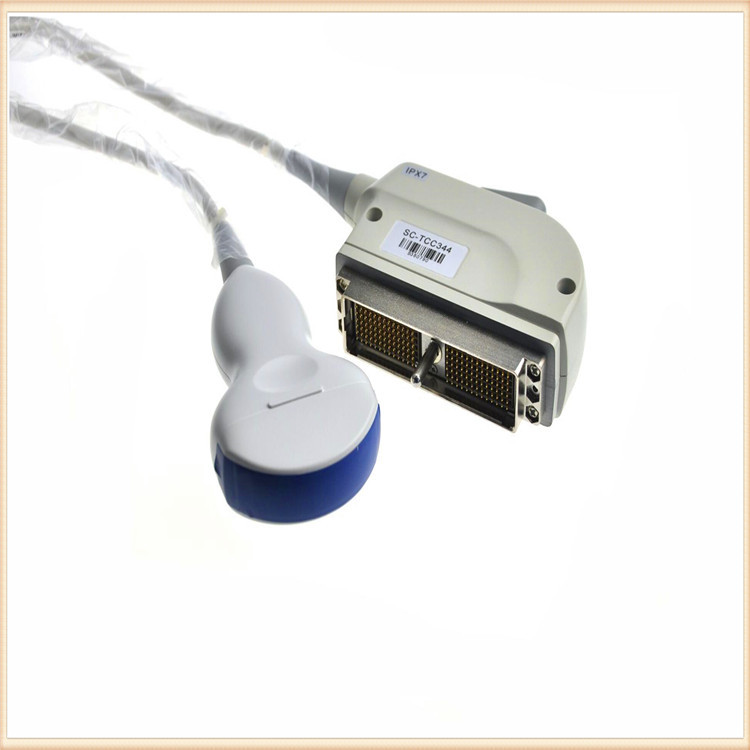
Military-Grade Ultrasound Coaxial Cable – High-Temperature Resistance, 100daN Compression Strength

Military-Grade Ultrasound Coaxial Cable – High-Temperature Resistance, 100daN Compression Strength

High-Performance Military Ultrasound Coaxial Cables: Built for Extreme Conditions Designed to meet the demanding requirements of military, aerospace, and medical applications, our Military-Grade Ultrasound Coaxial Cables deliver except.
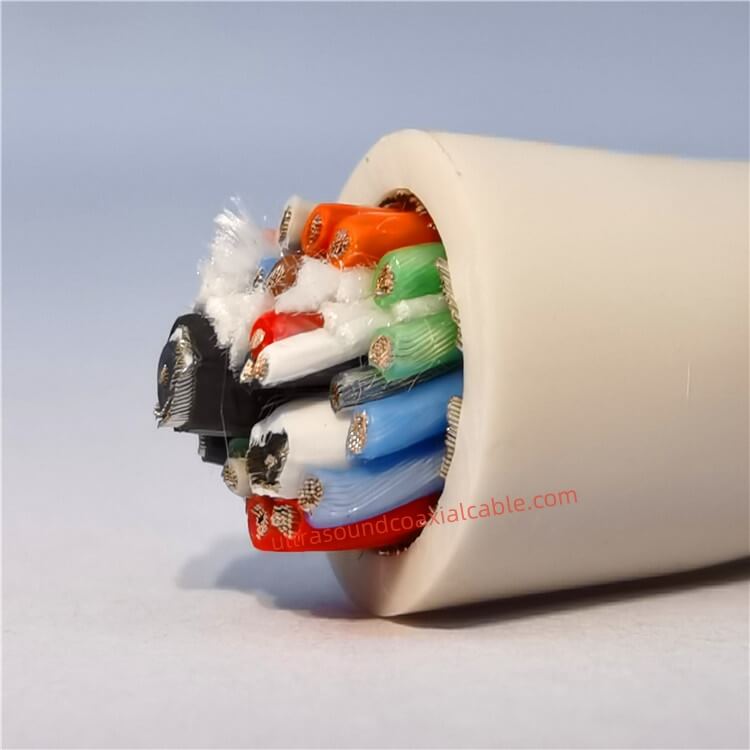
138-Core Medical Ultrasound Probe Coaxial Cable with 0.2mm Diameter – Biocompatible & FDA-Certified

138-Core Medical Ultrasound Probe Coaxial Cable with 0.2mm Diameter – Biocompatible & FDA-Certified

High-Precision 138-Core Medical Ultrasound Coaxial Cables | 0.2mm Ultra-Fine Biocompatible Design for Diagnostic Imaging Product Overview Engineered for advanced medical imaging systems, our 138-Core Medical Ultrasound Probe Coa.

Contact Us

Feel free to reach out to us for any inquiries or orders.

Call Us

Have a question? Give us a call!

                   +8618818785005(Whatsapp)

Email Us

Send us an email and we'll get back to you soon.

sales@custom-cable-assemblies.com
       
Home Products Contact