In the demanding fields of medical diagnostics and industrial non-destructive testing (NDT), the integrity of the signal is everything. High-frequency… - Professional Ultrasound Coaxial Cable Solutions
Learn more about, latest news, frequently asked questions
In the demanding fields of medical diagnostics and industrial non-destructive testing (NDT), the integrity of the signal is everything. High-frequency ultrasound coaxial cables are the critical lifelines that carry these sensitive signals, but they are constantly under threat from attenuation, electromagnetic interference (EMI), and physical degradation. Preventing signal loss is not just a technical challenge; it’s a fundamental requirement for diagnostic accuracy and operational safety. This guide delves into the core strategies and advanced engineering solutions, such as those pioneered by FRS, to ensure your systems deliver uncompromised performance.
Ultrasound systems operate in a high-stakes environment where signal fidelity directly impacts outcomes. In medical imaging, a loss of just a few decibels can result in grainy images, missed diagnoses, or the need for repeat procedures. In industrial settings, signal degradation can lead to false positives in flaw detection or catastrophic equipment failure. The primary culprits of signal loss include:
The choice of conductor and dielectric material is paramount. Standard copper, while conductive, can oxidize and increase resistance. Silver-plated copper alloy conductors are the industry benchmark for high-frequency applications. The silver plating provides a superior surface for high-frequency currents to travel, minimizing the skin effect and reducing attenuation. For the dielectric insulation, low-density fluoropolymers (such as Foam-PFA) are preferred over standard PVC. These materials have a lower dielectric constant, which means less energy is absorbed by the insulation itself, allowing more signal to pass through .
A single layer of braided shielding is often insufficient for high-frequency ultrasound. The most effective defense against EMI is a multi-layer or “360°” shielding approach. This typically combines:
When combined, this hybrid architecture can achieve noise attenuation exceeding 90-95%, ensuring that the signal remains pure even in electromagnetically noisy environments like an MRI suite or a factory floor .
Ultrasound systems are highly sensitive to impedance variations. Cables must be manufactured to a tight tolerance, typically 50Ω or 75Ω. Any deviation can cause standing waves and signal reflections. Reputable manufacturers like FRS utilize precision extrusion and twisting processes to maintain consistent impedance along the entire length of the cable, preventing these internal signal losses .
A cable that breaks under stress is a cable that has failed. To prevent signal loss from physical damage, cables must be designed for longevity. This includes:
For medical applications, signal integrity is inextricably linked to patient safety. Cables must comply with stringent international standards:
Manufacturers like FRS design their ultrasound coaxial cables to not only meet but exceed these standards, providing documentation and test reports that simplify regulatory submissions for medical device OEMs .
The global ultrasound coaxial cable market is experiencing robust growth, driven by the expansion of portable ultrasound devices and the increasing adoption of ultrasonic testing in aerospace and automotive manufacturing. Over 60% of production is dedicated to the medical imaging sector, with a significant portion going towards handheld systems used in emergency and point-of-care settings. These portable devices demand cables that are not only high-performance but also ultra-lightweight and flexible .
In industrial NDT, cables are required to operate in extreme conditions—from the sub-zero temperatures of Arctic pipelines to the high-heat environments of engine component testing. This demands cables with extended temperature ratings (e.g., -40°C to +150°C) and enhanced resistance to oils, solvents, and abrasion .
As a leading Ultrasound Coaxial Cable Manufacturer, FRS addresses the core pain points of signal loss with a multi-faceted engineering approach:
Preventing signal loss in high-frequency ultrasound coaxial cables is a complex battle fought on multiple fronts: material science, electromagnetic defense, and mechanical resilience. By partnering with an experienced manufacturer that prioritizes precision engineering and adherence to the highest industry standards, you can ensure that your diagnostic or testing equipment operates at its peak potential, delivering the clarity and accuracy that modern applications demand.
Discover our most popular furniture pieces that are loved by customers worldwide.
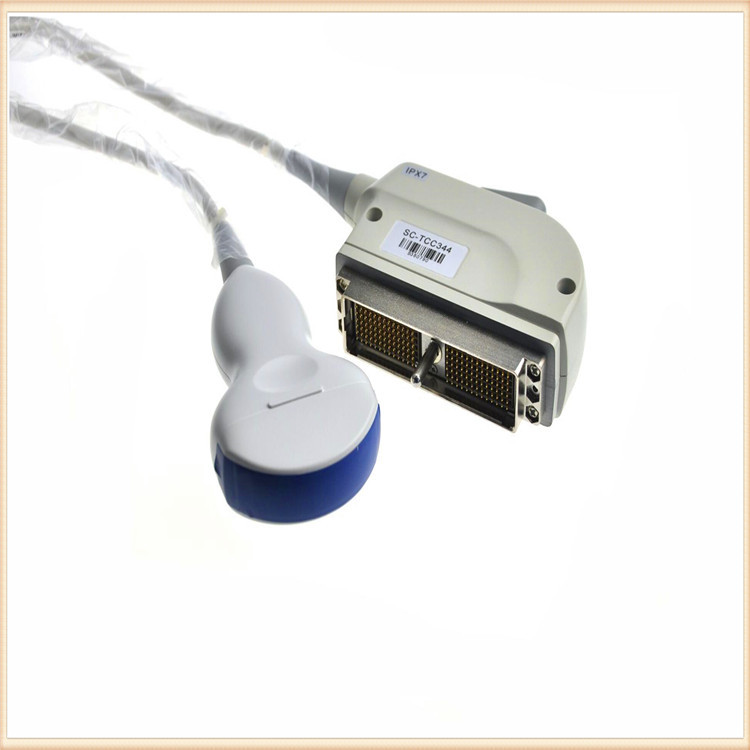
High-Performance Military Ultrasound Coaxial Cables: Built for Extreme Conditions Designed to meet the demanding requirements of military, aerospace, and medical applications, our Military-Grade Ultrasound Coaxial Cables deliver except.
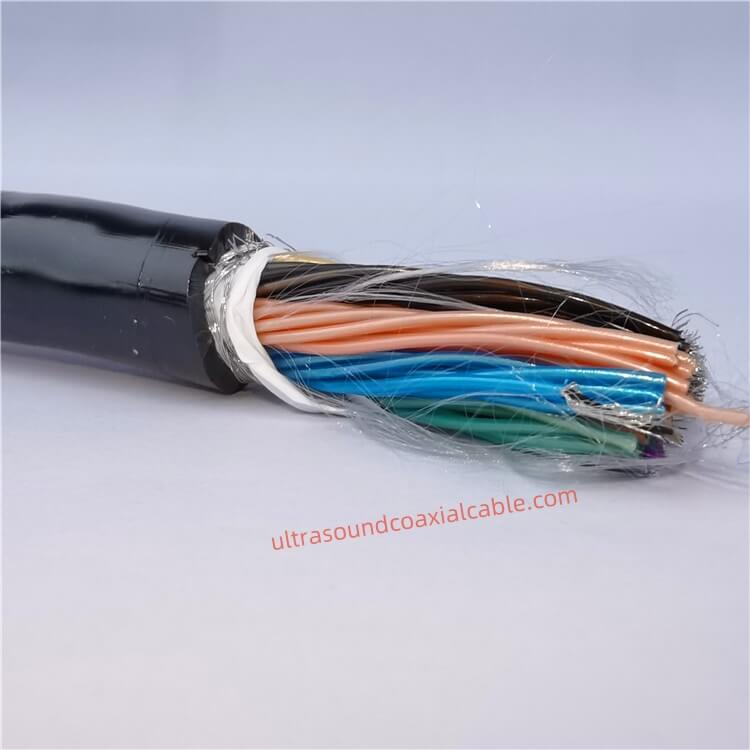
High-Performance Ultrasound Coaxial Cable Assembly: 42AWG to 30AWG, 6.6mm OD, 18GHz Bandwidth Engineered for precision in medical imaging and industrial applications, this customizable coaxial cable assembly delivers exceptional signal.

High-Performance Flexible Coaxial Cable for Medical Imaging & Ultrasound Systems Designed for demanding applications in medical imaging, industrial diagnostics, and high-frequency signal transmission, this ultra-flexible coaxial ca.
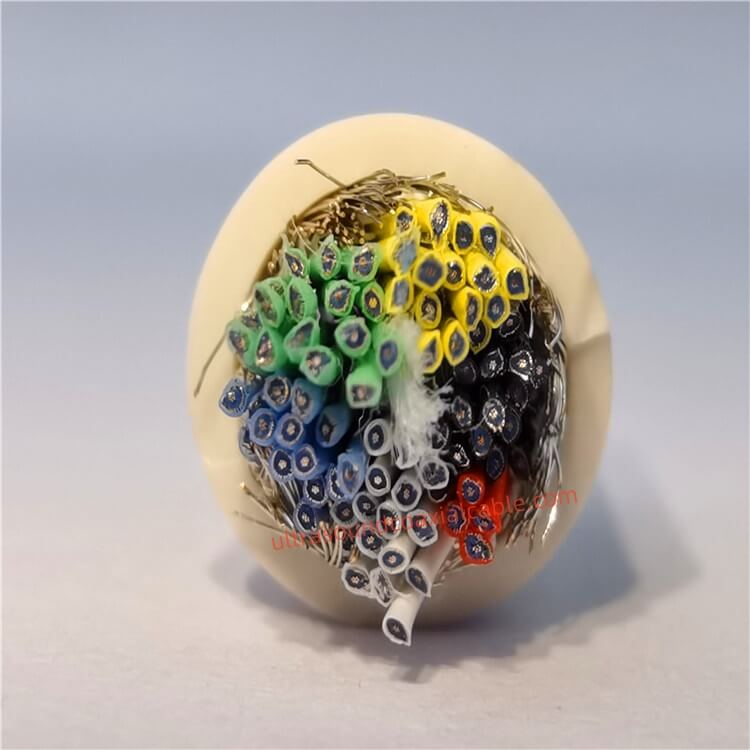
Product OverviewThe Ultrasound Coaxial Cable is a specialized cable engineered to deliver ultra-low signal loss, exceptional shielding, and unmatched durability in critical environments. Designed for medical imaging, industrial testi.
Feel free to reach out to us for any inquiries or orders.