How to Install and Maintain Ultrasound Probe Coaxial Cables Properly? | High-Quality Ultrasound Coaxial Cable | ultrasound coaxial cable Manufacturer & Factory-FRS

How to Install and Maintain Ultrasound Probe Coaxial Cables Properly?

Introduction and Executive Summary Ultrasound probe coaxial cables are the critical lifelines of medical imaging systems, transmitting high-frequency signals between… - Professional Ultrasound Coaxial Cable Solutions

Information

Learn more about, latest news, frequently asked questions

Introduction and Executive Summary

Ultrasound probe coaxial cables are the critical lifelines of medical imaging systems, transmitting high-frequency signals between transducers and processing units with precision and reliability. Proper installation and maintenance of these specialized cables directly impact diagnostic accuracy, equipment longevity, and patient safety. This comprehensive guide covers essential techniques for handling, installing, and maintaining ultrasound coaxial cables to ensure optimal performance throughout their service life.

Understanding Ultrasound Coaxial Cable Technology

Core Components and Construction

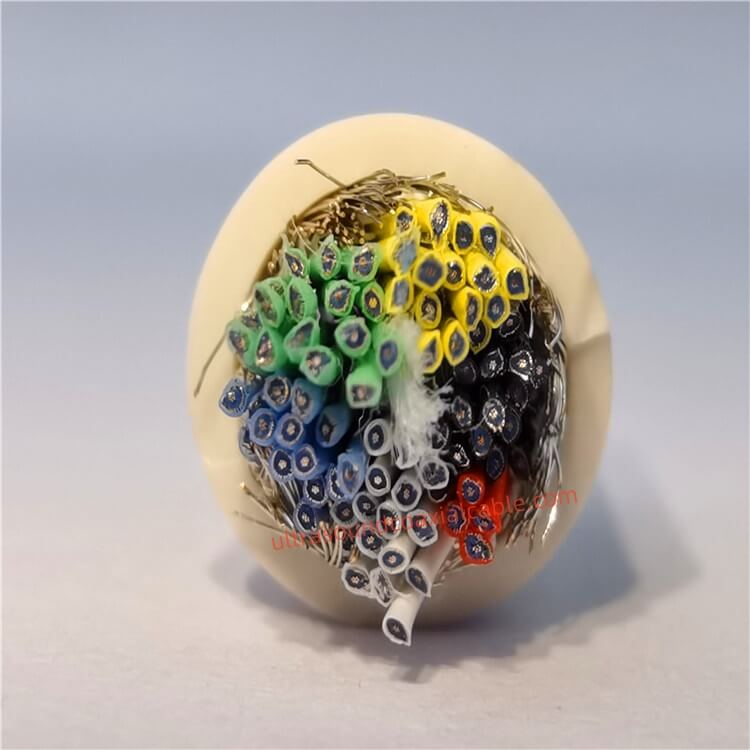
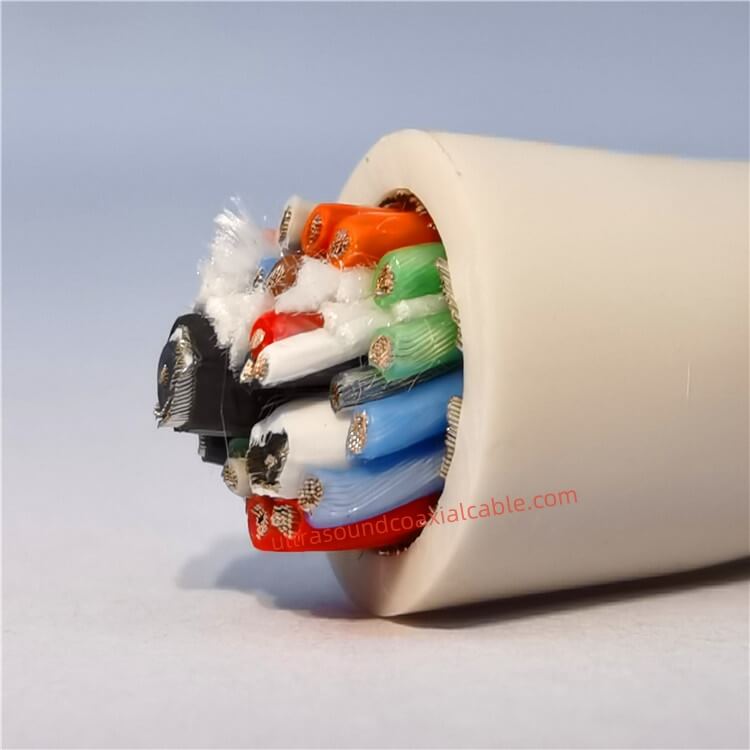
Ultrasound coaxial cables are engineered marvels designed for medical-grade performance. Unlike standard coaxial cables, these specialized components incorporate extremely fine coaxial wires (micro-coax), sometimes numbering in the hundreds within a single probe cable. Each micro-coaxial line acts as an independent channel, carrying signals from individual transducer elements to the ultrasound system’s processing unit.

The construction typically involves:

  • Central conductor: High-purity oxygen-free copper for uncompromised signal integrity
  • Dielectric insulation: Fluoropolymer materials providing 20% higher flexibility compared to previous generations
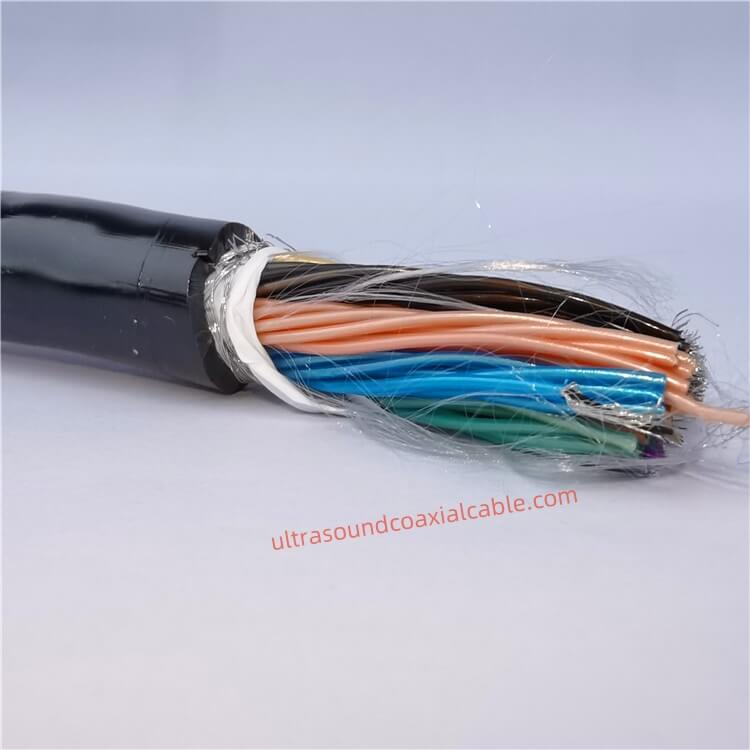
  • Multi-layer shielding: Dual-layer architecture (aluminum foil + tin-plated copper braid) delivering 110dB interference rejection
  • Outer jacket: Medical-grade silicone resistant to alcohol sterilization and autoclaving up to 134°C

Key Performance Specifications

When selecting ultrasound coaxial cables, consider these critical parameters:

  • Frequency range: 2-15MHz for standard medical imaging applications
  • Impedance: 50Ω tolerance for precise matching with ultrasound systems
  • Attenuation: <0.5 dB/m at 1 GHz for minimal signal loss
  • Flex life: 3,000+ flex cycles while protecting delicate internal components
  • Channel count: Advanced systems utilize 198-core or higher configurations for high-resolution imaging

Proper Installation Procedures

Pre-Installation Inspection

Before installation, conduct a thorough visual inspection of the cable assembly:

  1. Check for physical damage: Examine the entire cable length for cuts, abrasions, or exposed wiring
  2. Inspect connectors: Verify pins are straight, undamaged, and free from corrosion
  3. Test flexibility: Gently flex the cable to ensure smooth movement without stiffness or cracking sounds
  4. Verify strain relief: Ensure the rubber boot where the cable meets the probe remains flexible and intact

Connection Best Practices

Connector Alignment and Insertion

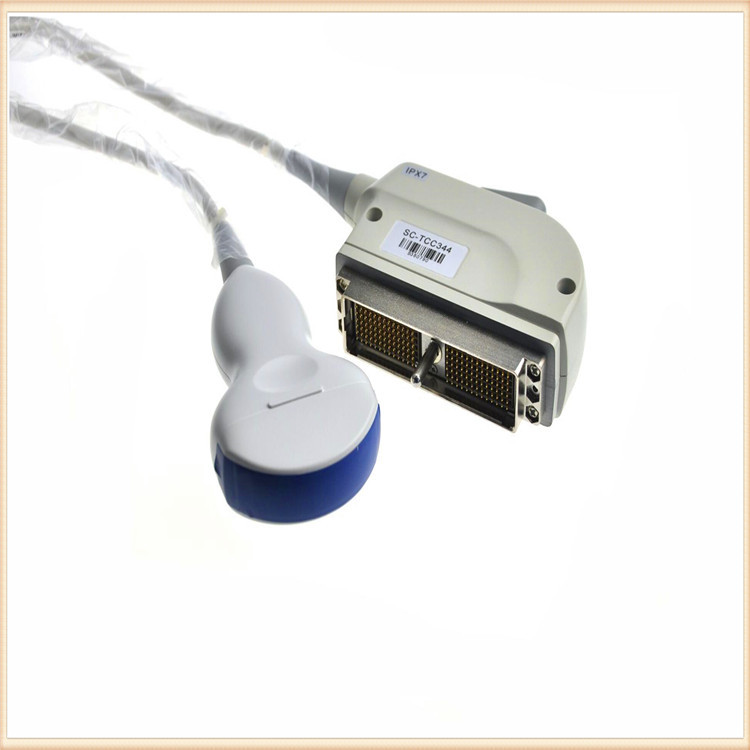
Align the connector and probe carefully, pushing the cable firmly into the probe body. When fully installed, you should feel a light “click” as the cable lock feature engages. There should be a small gap between the strain relief and the probe body—this is normal and expected.

Strain Relief Management

Never apply excessive force to twist, pull, or bend the probe cable. The strain relief component distributes bending stress and must remain flexible. Avoid placing the cable on the floor where it can be run over by equipment wheels or subjected to mechanical shocks.

Routing and Positioning

  • Route cables away from high-traffic areas and sharp edges
  • Avoid tight bends—maintain a minimum bend radius of at least 10 times the cable diameter
  • Use dedicated storage cradles or hangers that support the cable’s natural curve
  • Never force cables into tight configurations or pinch them in equipment drawers

Maintenance and Care Protocols

Cleaning and Disinfection

Daily Cleaning Procedures

  • Use lint-free cloths moistened with approved disinfectants
  • Avoid abrasive materials that can microscopically damage the cable surface
  • Never immerse the probe or cable completely in liquid solutions
  • For Butterfly iQ+ models, never fully submerge in HLD solution—refer to appropriate submersion lines for each probe model

Chemical Compatibility

Do not expose cables to inappropriate substances such as alcohol, bleach, ammonium chloride, or hydrogen peroxide. Always use legally approved detergents and follow manufacturer guidelines for chemical exposure limits.

Regular Inspection Schedule

Implement a structured maintenance protocol with these inspection intervals:

Daily (Before Each Use)

  • Visual check for cracks, broken parts, leaks, and sharp edges
  • Inspect housing, strain relief, lens, and seal for damage
  • Check for any functional problems before and after each use

Weekly

  • Perform flexibility tests while monitoring ultrasound image quality
  • Check for intermittent image dropout that correlates with specific cable positions
  • Inspect O-rings and connectors for wear or damage

Monthly

  • Conduct comprehensive electrical testing (continuity and impedance)
  • Test signal integrity using pulse reflection methods
  • Document findings and track recurring issues

Storage Best Practices

  • Store probes in dedicated cradles or hangers
  • Avoid hanging by the cable—support the probe body instead
  • Keep cables loosely coiled with gentle curves
  • Store in a clean, dry environment away from direct sunlight
  • Maintain temperature below +50°C (122°F)

Common Failure Points and Troubleshooting

Identifying Cable Issues

Visual Signs of Failure

  • Visible cracking or hardening of the jacket material, especially near connection points
  • Exposed shielding or conductors
  • Stiffness that impedes normal scanning workflow
  • Discoloration or staining from chemical exposure

Performance Indicators

  • Intermittent image dropout that correlates with specific cable positions
  • Persistent noise, shadows, or erratic lines on the display
  • System error messages related to probe recognition
  • Increased signal loss during specific movements

Diagnostic Testing Methods

Continuity and Impedance Testing

Use a multimeter to check for continuity in each conductor. Measure resistance across similar lines—significant variations may indicate potential issues. Advanced testing can detect impedance anomalies greater than 15%, which may indicate internal damage.

Signal Integrity Evaluation

Utilize pulse reflection methods similar to industrial cable testing. Send a low-voltage pulse through the cable and analyze reflected waves for abnormalities. This method can precisely locate faults by measuring reflections at impedance change points.

Real-Time Performance Monitoring

While scanning a tissue-mimicking phantom, slowly move the transducer while watching for image artifacts that correlate with cable position. Dark areas that move with specific cable bends typically indicate broken elements within the cable assembly.

Industry Standards and Compliance

Regulatory Certifications

Medical coaxial cables must adhere to stringent regulatory standards to ensure patient and operator safety:

  • IEC 60601-1: Electrical safety of medical equipment
  • ISO 13485: Quality management systems for medical devices
  • ISO 10993-5: Biocompatibility testing for patient-contact materials
  • RoHS and REACH: Restricted substance limitations
  • FDA compliance: For medical device applications

Quality Assurance Protocols

Reputable manufacturers like FRS implement comprehensive quality control measures:

  • 100% electrical testing before delivery
  • ISO 9001, ISO 13485, and IATF 16949 certifications
  • End-to-end traceability with blockchain-enabled tracking for FDA UDI compliance
  • Material declarations and test reports for regulatory submissions

Market Analysis and Application Scenarios

Global Market Trends

The ultrasound coaxial cable market is experiencing significant growth driven by technological advancements and changing healthcare needs:

  • Asia-Pacific region: Shows particularly strong growth (12.5% CAGR), driven by healthcare infrastructure expansion
  • Increasing channel counts: Advanced systems now utilize 198-core or higher configurations
  • Material innovations: Fluoropolymer-insulated cables offer 20% higher flexibility
  • Hybrid designs: Combining multiple cable types within single jackets reduces clutter and improves handling

Application-Specific Requirements

Medical Imaging

  • High-resolution diagnostic ultrasound systems
  • Portable point-of-care devices
  • Robotic surgery applications requiring precision and safety
  • MRI-compatible cables for hybrid imaging systems

Industrial Applications

  • Non-destructive testing (NDT) equipment
  • Industrial robotics and automation
  • Scientific research instruments
  • Security scanning systems

Product Selection Criteria

Key Considerations

When choosing ultrasound coaxial cables, evaluate these factors:

  1. Application requirements: Frequency range, channel count, flexibility needs, and environmental factors
  2. Compatibility: Mechanical and electrical compatibility with existing equipment
  3. Durability needs: Flex life, sterilization requirements, and expected usage intensity
  4. Certifications: Compliance with relevant medical device regulations
  5. Total cost of ownership: Consider lifespan, maintenance requirements, and potential downtime costs

Technical Specifications to Verify

  • Attenuation: <0.5 dB/m at 1 GHz for optimal signal transmission
  • Impedance: 50Ω tolerance for precise matching
  • Shielding effectiveness: 110dB interference rejection
  • Temperature range: -40°C to +85°C for medical applications
  • Flex life: 3,000+ cycles for extended service life

When to Replace vs. Repair

Replacement Indicators

Consider professional replacement when you observe:

  • Visible cracking or hardening of the jacket material that compromises structural integrity
  • Intermittent connectivity that affects diagnostic accuracy
  • System error messages indicating probe recognition failure
  • Cable stiffness that impedes normal scanning workflow

Repair Considerations

Minor issues may be repairable, but complex damage requires expert attention:

  • Minor repairs: Small cuts or exposed shielding can often be repaired with heat shrink tubing and proper insulation
  • Complex damage: Extensive shielding loss, multiple conductor breaks, or connector damage typically require replacement
  • Professional services: Brands like FRS offer certified repair services with warranties for peace of mind

Future-Proofing Your Investment

Emerging Technologies

Stay ahead of industry trends with these advancements:

  • Miniaturization: 26AWG cables for laparoscopic tools with advanced shielding to prevent crosstalk
  • 5G connectivity: High-speed data transmission in telemedicine demands low-loss cables (<0.5dB/m)
  • Sustainability: Recyclable thermoplastic jackets and lead-free soldering align with environmental standards
  • Smart monitoring: AI-enabled cable health monitoring with predictive diagnostics

Partnering with Trusted Manufacturers

When selecting a coaxial cable supplier, prioritize manufacturers with:

  • ISO-certified facilities: Ensuring traceability and quality control
  • Custom engineering capabilities: Tailored solutions for unique requirements
  • Global logistics network: Timely delivery to meet project timelines
  • Technical support: On-site engineers for troubleshooting and design optimization

Conclusion

Proper installation and maintenance of ultrasound probe coaxial cables are essential for maintaining diagnostic accuracy, equipment reliability, and patient safety. By following the best practices outlined in this guide—from careful installation techniques to regular inspection protocols—healthcare facilities can extend the functional life of their equipment significantly.

Partnering with reputable manufacturers like FRS ensures access to cutting-edge materials, global certifications, and scalable solutions that drive innovation while safeguarding patient health. With over 20 years of expertise in medical interconnects and comprehensive compliance with international standards, FRS provides the precision, durability, and technical support that medical imaging applications demand.

Invest in cables that exceed standards, implement proactive maintenance strategies, and leverage the expertise of trusted partners to maintain imaging excellence while optimizing long-term equipment investment.

Hot Selling Products

Discover our most popular furniture pieces that are loved by customers worldwide.
Ultrasound Coaxial Cable|High-Performance Signal Transmission for Precision Applications

Ultrasound Coaxial Cable|High-Performance Signal Transmission for Precision Applications

‌‌Product Overview‌The ‌Ultrasound Coaxial Cable‌ is a specialized cable engineered to deliver ultra-low signal loss, exceptional shielding, and unmatched durability in critical environments. Designed for medical imaging, industrial testi.
Military-Grade Ultrasound Coaxial Cable – High-Temperature Resistance, 100daN Compression Strength

Military-Grade Ultrasound Coaxial Cable – High-Temperature Resistance, 100daN Compression Strength

High-Performance Military Ultrasound Coaxial Cables: Built for Extreme Conditions Designed to meet the demanding requirements of military, aerospace, and medical applications, our Military-Grade Ultrasound Coaxial Cables deliver except.
Customizable Ultrasound Coaxial Cable Assembly – 42AWG to 30AWG, 6.6mm OD, 18GHz Bandwidth

Customizable Ultrasound Coaxial Cable Assembly – 42AWG to 30AWG, 6.6mm OD, 18GHz Bandwidth

High-Performance Ultrasound Coaxial Cable Assembly: 42AWG to 30AWG, 6.6mm OD, 18GHz Bandwidth Engineered for precision in medical imaging and industrial applications, this customizable coaxial cable assembly delivers exceptional signal.
138-Core Medical Ultrasound Probe Coaxial Cable with 0.2mm Diameter – Biocompatible & FDA-Certified

138-Core Medical Ultrasound Probe Coaxial Cable with 0.2mm Diameter – Biocompatible & FDA-Certified

High-Precision 138-Core Medical Ultrasound Coaxial Cables | 0.2mm Ultra-Fine Biocompatible Design for Diagnostic Imaging Product Overview Engineered for advanced medical imaging systems, our 138-Core Medical Ultrasound Probe Coa.

Contact Us

Feel free to reach out to us for any inquiries or orders.

Call Us

Have a question? Give us a call!

                   +8618818785005(Whatsapp)

Email Us

Send us an email and we'll get back to you soon.

sales@custom-cable-assemblies.com
       
Home Products Contact