How to identify high-quality ultrasound coaxial cables? | High-Quality Ultrasound Coaxial Cable | ultrasound coaxial cable Manufacturer & Factory-FRS

How to identify high-quality ultrasound coaxial cables?

Title: Key Factors to Identify Premium Ultrasound Coaxial Cables for Medical Imaging​ Ultrasound coaxial cables are the lifeline of medical… - Professional Ultrasound Coaxial Cable Solutions

Information

Learn more about, latest news, frequently asked questions

Title: Key Factors to Identify Premium Ultrasound Coaxial Cables for Medical Imaging

Ultrasound coaxial cables are the lifeline of medical imaging systems, ensuring seamless signal transmission between transducers and diagnostic equipment. High-quality cables are critical for producing clear, accurate images and maintaining the reliability of devices like ultrasound probes and photoacoustic imaging tools. But how do you distinguish top-tier cables from subpar options? Here’s a detailed guide to help you make informed decisions.


1. Material Composition: The Foundation of Quality

The materials used in ultrasound coaxial cables directly impact their performance and durability.

  • Conductor Material: Premium cables use ​oxygen-free copper (OFC)​​ or ​silver-plated copper​ for the inner conductor. These materials minimize signal loss and resist oxidation, ensuring stable conductivity over time. For example, medical-grade micro-coaxial cables (as small as ​0.2 mm in diameter) often employ silver-plated copper to enhance flexibility and reduce attenuation.
  • Insulation Layer: High-quality ​foamed polyethylene (PE)​​ or ​PTFE (Teflon)​​ insulation ensures low dielectric loss and maintains signal integrity. PE is lightweight and ideal for high-frequency applications, while PTFE offers superior heat resistance.
  • Shielding: Look for ​dual-layer shielding​ (e.g., aluminum foil + braided copper) to block electromagnetic interference (EMI). For instance, RG58 cables use a copper braid shield to protect against external noise, which is vital for ultrasound systems operating in EMI-heavy environments.

2. Structural Design: Flexibility and Durability

Medical devices like handheld ultrasound probes require cables that can withstand repeated bending and sterilization.

  • Flexibility: Premium cables are designed with ​ultra-fine stranded conductors​ and ​high-flex jackets​ (e.g., PVC or polyurethane). These features allow the cable to bend up to ​10,000 cycles​ without breaking, making them ideal for portable or endoscopic devices.
  • Miniaturization: Advanced manufacturing techniques enable ​micro-coaxial cables​ (e.g., 36–42 AWG) that reduce bulk without compromising signal quality. These are widely used in ultrasound transducers where space is limited.
  • Jacket Material: Medical-grade cables often use ​biocompatible, flame-retardant materials​ to meet safety standards. For example, ​LSZH (Low Smoke Zero Halogen)​​ jackets prevent toxic fumes during emergencies.

3. Electrical Performance: Precision Matters

Ultrasound imaging relies on high-frequency signals, so electrical specifications are non-negotiable.

  • Impedance Matching: Ensure the cable matches the system’s impedance (typically ​50Ω or 75Ω). Mismatched impedance causes signal reflections, leading to image artifacts. For example, RG58 cables are optimized for 50Ω systems, while RG59 suits 75Ω applications.
  • Attenuation: Low-loss cables (<0.15 dB/m at 1 GHz) are essential for maintaining signal strength. High-quality RG58 cables achieve this through precise insulation and shielding.
  • Bandwidth: Premium cables support ​wide bandwidths (up to 40 GHz)​​ to handle the high-frequency pulses used in modern ultrasound and photoacoustic imaging systems.

4. Connector Quality: The Critical Link

Even the best cable is useless without reliable connectors.

  • Contact Plating: Gold-plated connectors (≥1 µm thickness) resist corrosion and ensure low contact resistance. For example, ​LEMO or BNC connectors​ with gold plating are standard in medical devices for their longevity.
  • Secure Locking: Connectors should feature ​bayonet or threaded locking mechanisms​ to prevent accidental disconnection during procedures. Medical-grade BNC connectors often include a secondary latch for added security.
  • Hermetic Sealing: In invasive applications (e.g., endoscopic probes), ​IP67-rated connectors​ prevent fluid ingress, ensuring performance in sterile environments.

5. Compliance and Certifications

Reputable manufacturers adhere to stringent industry standards:

  • Medical Certifications: Look for ​ISO 13485​ (quality management for medical devices) and ​IEC 60601​ (electrical safety).
  • Signal Integrity Testing: Cables should pass ​Time-Domain Reflectometry (TDR)​​ and ​Vector Network Analyzer (VNA)​​ tests to verify impedance stability and low return loss.

6. Real-World Applications

Case studies highlight the importance of quality:

  • High-Frequency Ultrasound Probes: A study using ​63% bandwidth TUT (Transparent Ultrasound Transducers)​​ relied on low-loss coaxial cables to achieve ​**>15 mm imaging depth​ and ​32.6 µm axial resolution**. Subpar cables would have introduced noise, degrading image clarity.
  • Portable Devices: Lightweight RG58 cables (with aluminum shielding) reduced weight by ​30%​​ in aircraft-mounted systems while maintaining performance.

Conclusion

Choosing the right ultrasound coaxial cable boils down to understanding materials, design, electrical specs, and real-world performance. Premium cables might cost more upfront, but they save time and money by reducing downtime, improving diagnostic accuracy, and extending equipment life. Whether you’re upgrading a handheld probe or designing a cutting-edge photoacoustic imaging system, investing in quality cables ensures your technology delivers results you can trust.

In short: Don’t cut corners on cables—your imaging quality depends on it.

Hot Selling Products

Discover our most popular furniture pieces that are loved by customers worldwide.
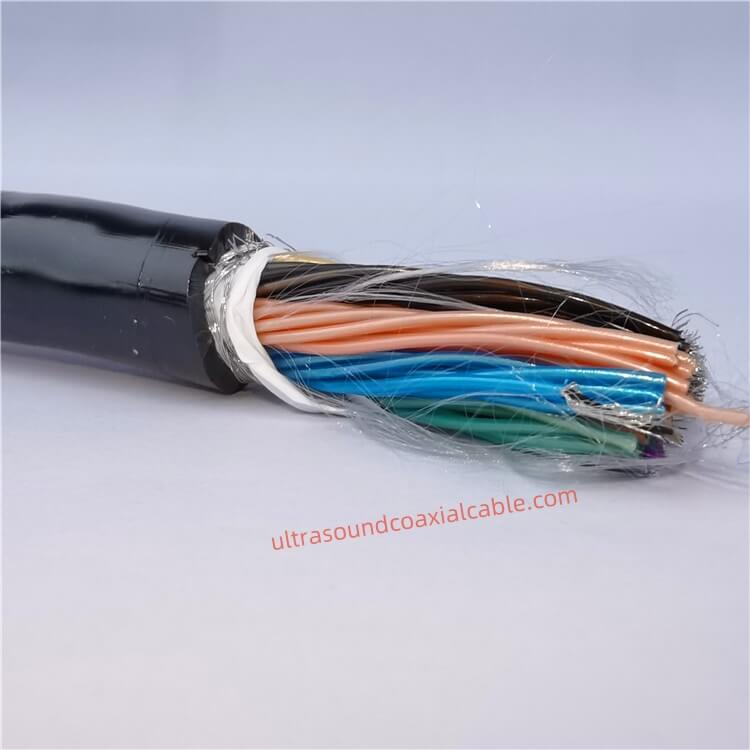
Customizable Ultrasound Coaxial Cable Assembly – 42AWG to 30AWG, 6.6mm OD, 18GHz Bandwidth

Customizable Ultrasound Coaxial Cable Assembly – 42AWG to 30AWG, 6.6mm OD, 18GHz Bandwidth

High-Performance Ultrasound Coaxial Cable Assembly: 42AWG to 30AWG, 6.6mm OD, 18GHz Bandwidth Engineered for precision in medical imaging and industrial applications, this customizable coaxial cable assembly delivers exceptional signal.

Ultra-Flexible Coaxial Cable for Ultrasound Transducers – 44AWG, 0.15dB/m Attenuation at 1GHz

Ultra-Flexible Coaxial Cable for Ultrasound Transducers – 44AWG, 0.15dB/m Attenuation at 1GHz

High-Performance Flexible Coaxial Cable for Medical Imaging & Ultrasound Systems Designed for demanding applications in medical imaging, industrial diagnostics, and high-frequency signal transmission, this ultra-flexible coaxial ca.
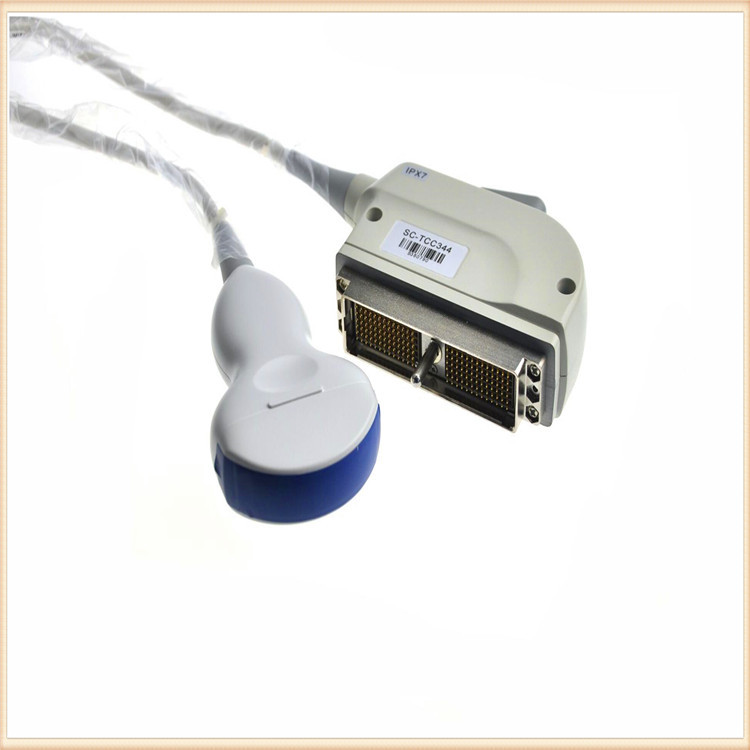
Military-Grade Ultrasound Coaxial Cable – High-Temperature Resistance, 100daN Compression Strength

Military-Grade Ultrasound Coaxial Cable – High-Temperature Resistance, 100daN Compression Strength

High-Performance Military Ultrasound Coaxial Cables: Built for Extreme Conditions Designed to meet the demanding requirements of military, aerospace, and medical applications, our Military-Grade Ultrasound Coaxial Cables deliver except.

High-Precision Ultrasound Coaxial Cable for Medical Imaging – Low Noise, Flexible Design, 42AWG

High-Precision Ultrasound Coaxial Cable for Medical Imaging – Low Noise, Flexible Design, 42AWG

Ultra-Flexible 42AWG Medical-Grade Coaxial Cables for High-Precision Ultrasound Imaging Designed for demanding medical imaging applications, our Ultra-Flexible 42AWG Coaxial Cables deliver exceptional signal integrity, noise reduction,.

Contact Us

Feel free to reach out to us for any inquiries or orders.

Call Us

Have a question? Give us a call!

                   +8618818785005(Whatsapp)

Email Us

Send us an email and we'll get back to you soon.

sales@custom-cable-assemblies.com
       
Home Products Contact