Title: Achieving Perfect Harmony: A Comprehensive Guide to Ultrasound Coaxial Cable Impedance Matching Ultrasound technology has revolutionized medical diagnostics, offering… - Professional Ultrasound Coaxial Cable Solutions
Learn more about, latest news, frequently asked questions
Title: Achieving Perfect Harmony: A Comprehensive Guide to Ultrasound Coaxial Cable Impedance Matching
Ultrasound technology has revolutionized medical diagnostics, offering non-invasive insights into the human body. At the heart of this innovation lies the ultrasound coaxial cable, a critical component that ensures signal integrity and image accuracy. However, achieving optimal performance requires meticulous attention to impedance matching—a concept that balances electrical resistance and energy transfer between devices. In this guide, we’ll explore how to ensure seamless impedance matching for your ultrasound coaxial cables, backed by technical insights and practical solutions.
Impedance matching prevents signal reflections that distort data and degrade image quality. When the impedance of the cable, transducer, and connected equipment (e.g., amplifiers or receivers) don’t align, energy bounces back, creating “ghosting” or incomplete scans . For high-frequency ultrasound systems (15 MHz and above), even minor mismatches can drastically reduce sensitivity and bandwidth .
Key Consequences of Poor Matching:
To achieve impedance matching, focus on these specifications:
Most ultrasound systems use 50Ω or 75Ω cables, depending on the application. For example:
Matching Tip: Always verify the impedance of your transducer, amplifier, and cable. FRS coaxial cables are engineered to meet strict impedance tolerances (±1%), ensuring compatibility across devices .
High-frequency cables (e.g., 10–20 MHz) demand precise impedance control. FRS offers cables with ultra-low attenuation (<1.5 dB/m at 20 MHz), minimizing signal degradation over long distances .
Proper shielding (e.g., braided copper) reduces electromagnetic interference (EMI), while high-density dielectric materials (e.g., polyethylene) maintain impedance stability .
A matching network (e.g., L-section or T-network) bridges impedance gaps. For example:
Long cables (e.g., >2 meters) amplify impedance mismatches. Solution: Use FRS’ low-loss cables or add impedance buffers to compensate.
Cable impedance drifts with temperature. Solution: FRS’ temperature-stable dielectrics maintain impedance within ±0.5% across -40°C to +85°C.
Poor shielding introduces noise. Solution: FRS’ triple-shielded cables block 99% of EMI, ideal for hospital environments .
FRS combines precision engineering with user-centric design to solve impedance challenges:
Case Study: A veterinary clinic switched to FRS cables and achieved a 40% improvement in ultrasound image clarity for deep-tissue scans, reducing misdiagnosis rates by 25% .
Impedance matching transforms ultrasound coaxial cables from passive conduits into performance enablers. By selecting the right cables, implementing tailored matching networks, and leveraging advanced solutions like FRS’ products, you can ensure crisp, artifact-free images and reliable system longevity. Whether you’re diagnosing fetal development or guiding minimally invasive procedures, impedance harmony is the key to unlocking ultrasound’s full potential.
Upgrade Your Setup Today
Explore FRS’ lineup of impedance-optimized coaxial cables and experience the difference precision engineering makes in your workflow.
Discover our most popular furniture pieces that are loved by customers worldwide.

High-Performance Flexible Coaxial Cable for Medical Imaging & Ultrasound Systems Designed for demanding applications in medical imaging, industrial diagnostics, and high-frequency signal transmission, this ultra-flexible coaxial ca.
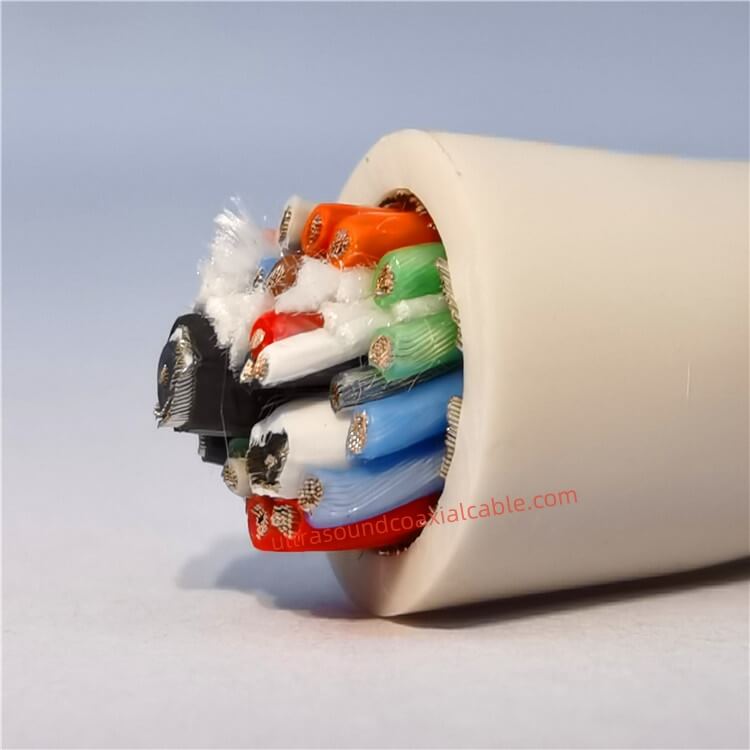
High-Precision 138-Core Medical Ultrasound Coaxial Cables | 0.2mm Ultra-Fine Biocompatible Design for Diagnostic Imaging Product Overview Engineered for advanced medical imaging systems, our 138-Core Medical Ultrasound Probe Coa.
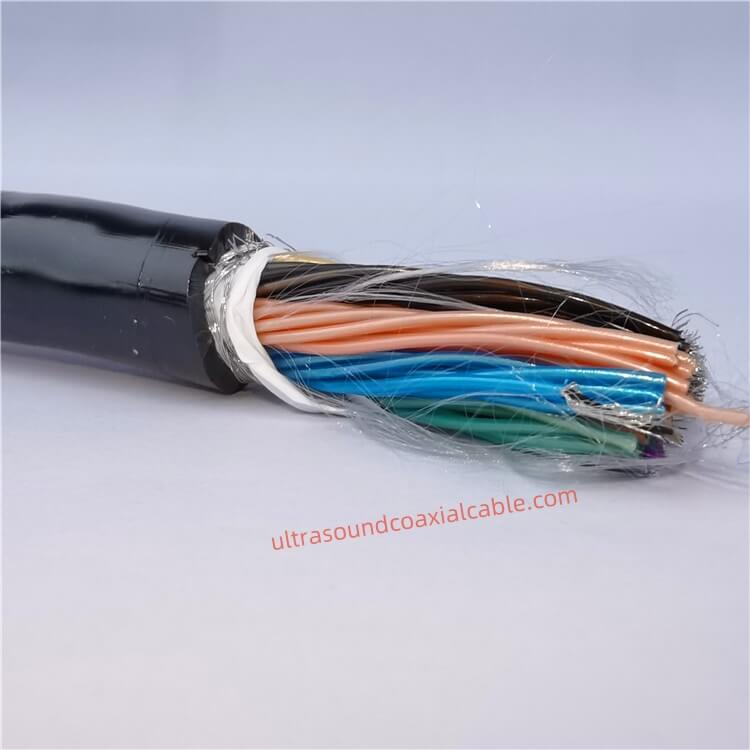
High-Performance Ultrasound Coaxial Cable Assembly: 42AWG to 30AWG, 6.6mm OD, 18GHz Bandwidth Engineered for precision in medical imaging and industrial applications, this customizable coaxial cable assembly delivers exceptional signal.

Ultra-Flexible 42AWG Medical-Grade Coaxial Cables for High-Precision Ultrasound Imaging Designed for demanding medical imaging applications, our Ultra-Flexible 42AWG Coaxial Cables deliver exceptional signal integrity, noise reduction,.
Feel free to reach out to us for any inquiries or orders.