Selecting the appropriate ultrasound coaxial cable replacement is a critical decision that directly impacts diagnostic accuracy, equipment reliability, and operational… - Professional Ultrasound Coaxial Cable Solutions
Learn more about, latest news, frequently asked questions
Selecting the appropriate ultrasound coaxial cable replacement is a critical decision that directly impacts diagnostic accuracy, equipment reliability, and operational efficiency. These specialized cables serve as the vital link between ultrasound probes and processing units, transmitting high-frequency signals that determine image quality and diagnostic confidence. With the global ultrasound coaxial cable market projected to grow from approximately 500millionin2025to850 million by 2033, driven by a 7% CAGR, understanding the selection criteria becomes increasingly important for healthcare facilities and industrial users alike.
Ultrasound coaxial cables feature a sophisticated multi-layer construction designed for precision signal transmission in demanding environments. The core components include a central conductor (typically copper or silver-plated copper alloy), dielectric insulation material, metallic shielding layers, and a protective outer jacket. Medical-grade cables require exceptionally fine conductors ranging from 38AWG to 46AWG (0.12mm to 0.06mm diameter) to accommodate the high channel counts in modern ultrasound systems.
The shielding configuration is particularly crucial, with premium cables incorporating multiple layers such as spiral shields with tinned copper wire (90% coverage) combined with braid shields (85% coverage). This multi-layer approach ensures superior protection against electromagnetic interference (EMI), which is essential for maintaining signal integrity in electromagnetically noisy hospital environments.
Impedance matching is fundamental for ultrasound applications. Most medical ultrasound systems operate at standardized impedances of 50Ω or 75Ω. Mismatched impedance can cause signal reflections that degrade image quality, with high-end systems typically requiring 50Ω impedance cables with minimal signal loss.
Capacitance values significantly impact signal quality, with medical ultrasound cables typically falling between 50pF and 110pF. Lower capacitance cables (50-60pF) are ideal for high-frequency applications where signal preservation is critical, while higher capacitance cables (110pF) may be suitable for specific transducer types.
Signal attenuation must be minimized, especially for longer cable runs. Look for cables with low insertion loss characteristics, typically measured in dB per meter at relevant frequencies (2-15MHz for medical imaging). Premium medical coaxial cables maintain consistent impedance (±2Ω) across their operating frequency range to ensure accurate signal transmission.
Flexibility and fatigue resistance are paramount for ultrasound probes that undergo frequent movement during examinations. Medical coaxial cables should withstand 300,000+ flex cycles without performance degradation, achieved through advanced materials like fluoropolymer insulation and specialized shielding designs.
Cable diameter affects handling characteristics, with thinner cables (7.0mm outer diameter) offering greater maneuverability. However, thinner designs must not compromise shielding effectiveness or mechanical strength. The optimal balance depends on the application—portable ultrasound systems may prioritize slim designs, while fixed installations might favor slightly thicker, more robust cables.
Connector compatibility ensures seamless integration with existing equipment. Medical facilities should verify connector types (F-type, BNC, or proprietary designs) and pin configurations before selection. FRS medical coaxial cables feature standardized connectors with precision-machined contacts that maintain stable electrical connections through repeated mating cycles.
High-resolution diagnostic ultrasound, including cardiac, obstetric, and abdominal imaging, demands cables with exceptional signal integrity. These applications typically require 72-channel or higher configurations with impedance stability within ±2Ω. Cardiology systems benefit from coaxial cables with silver-plated conductors that provide optimal high-frequency response for detailed Doppler measurements.
Portable and handheld ultrasound devices have distinct requirements, prioritizing lightweight, flexible cables with small bend radii. These compact systems often utilize micro-coaxial designs with 42AWG-46AWG conductors that minimize weight while maintaining transmission quality. The growing portable ultrasound market (expanding 12% annually) drives innovation in cable miniaturization without performance compromise.
Surgical and interventional applications require cables that withstand sterilization protocols including autoclaving at 135°C. FRS autoclave-ready coaxial cables feature ETFE insulation and platinum-cured silicone jackets that maintain performance through repeated sterilization cycles. These cables also incorporate enhanced shielding to prevent interference from electrosurgical units.
Veterinary and emergency medicine applications often need ruggedized cables that tolerate harsh environments. These implementations benefit from cables with abrasion-resistant outer jackets and reinforced strain relief at connection points. The FRS durability-enhanced series exceeds standard flex life requirements by 40%, making it ideal for mobile medical units and field applications.
Industrial systems demand reliable signal transmission for critical monitoring and control applications. Ultrasound coaxial cables serve as the vital link in these systems, enabling precise data acquisition from ultrasonic sensors used in condition monitoring, non-destructive testing, and process control.
For industrial ultrasound systems operating in the 100kHz-5MHz range, low-capacitance coaxial cables (typically 50-100 pF/m) are essential to maintain signal fidelity over longer runs. The shielding effectiveness directly impacts performance in electrically noisy industrial environments, with braided shields offering 90-95% coverage providing superior protection against EMI compared to foil-only shields.
Medical coaxial cables must adhere to stringent regulatory standards to ensure patient and operator safety. The BS EN IEC 60966-2-1:2024 standard provides comprehensive specifications for flexible coaxial cable assemblies, covering material specifications, design guidelines, testing procedures, and installation instructions. This standard is essential for ensuring high-quality and reliable cable assemblies in medical and industrial applications.
ISO 13485 certification represents a significant milestone for medical device manufacturers, demonstrating compliance with global medical device standards. This certification requires comprehensive technical documentation, risk assessments, and post-market surveillance capabilities, ensuring that ultrasound coaxial cables meet the highest quality and safety requirements.
The global ultrasound coaxial cable market is experiencing robust growth, driven by increasing demand for high-quality medical imaging equipment and advancements in ultrasound technology. The market is projected to exhibit a 7% CAGR from 2025 to 2033, reaching an estimated $850 million by 2033. Key drivers include the rising prevalence of chronic diseases necessitating increased diagnostic imaging, technological innovations leading to improved image resolution and portability, and the expansion of healthcare infrastructure in developing economies.
Market trends point towards a growing preference for high-performance cables with enhanced signal integrity and durability, along with miniaturization to accommodate smaller, more portable devices. The competitive landscape includes key players like I-PEX, Junkosha, and Times Microwave Systems, while specialized manufacturers like FRS have established strong positions through technological innovation and quality certifications.
Begin by identifying your specific application needs. For medical imaging, consider the frequency range (typically 2-20MHz), signal integrity requirements, and environmental conditions. Industrial applications may require different specifications based on operating frequencies and environmental exposure.
Assess impedance matching (50Ω or 75Ω), attenuation characteristics, and shielding effectiveness. For medical applications, prioritize cables with low attenuation and multi-layer shielding to ensure signal integrity in noisy environments.
Evaluate flexibility requirements, bend radius limitations, and durability needs. Portable applications may require highly flexible cables with small bend radii, while fixed installations might benefit from more rigid designs with lower attenuation.
Ensure the cable connectors match your existing equipment interfaces. Common connector types include BNC, SMA, and proprietary designs. For medical applications, verify sterilization compatibility and low-contact resistance to prevent signal leakage.
Prioritize cables compliant with relevant standards such as IEC 60966 for medical electrical equipment or UL AWM standards for safety and reliability. For medical applications, ensure ISO 13485 certification and CE marking compliance.
Poor signal quality often results from impedance mismatches, inadequate shielding, or excessive cable length. Solution: Select cables with precise impedance matching, multi-layer shielding, and appropriate length to minimize attenuation. FRS cables maintain consistent impedance (±2Ω) across the operating frequency range, ensuring optimal signal transmission.
Frequent bending and twisting can lead to cable fatigue and premature failure. Solution: Choose cables with high flex life ratings (300,000+ cycles) and reinforced strain relief at connection points. FRS durability-enhanced series exceeds standard flex life requirements by 40%, providing extended service life in demanding applications.
Medical cables must withstand repeated sterilization cycles without performance degradation. Solution: Select cables with autoclave-compatible materials and construction. FRS autoclave-ready coaxial cables feature ETFE insulation and platinum-cured silicone jackets that maintain performance through repeated sterilization cycles.
Industrial applications may expose cables to oils, chemicals, temperature extremes, or UV radiation. Solution: Choose cables with appropriate jacket materials and environmental ratings. FRS industrial-grade cables feature polyurethane jackets that withstand continuous exposure to industrial lubricants while maintaining flexibility across a wide temperature range.
For diagnostic imaging systems, implement proper cable management to prevent excessive bending and strain. Maintain minimum bend radii as specified by the manufacturer, and avoid sharp bends or kinks that can damage internal conductors.
In condition monitoring and predictive maintenance systems, implement proper routing separation (12-18 inches from power cables and motor leads) to minimize electromagnetic interference. Use proper clamping within 6 inches of connection points to prevent mechanical stress on terminations, and employ single-point grounding schemes to avoid ground loops.
Establish regular inspection and testing protocols to identify potential issues before they affect performance. Monitor for signs of wear, damage, or performance degradation, and replace cables proactively based on manufacturer recommendations and usage patterns.
The ultrasound coaxial cable industry continues to evolve with several key trends shaping future developments:
Miniaturization: Ultra-thin cables (0.2mm diameter) without compromising signal integrity are becoming increasingly important for portable and minimally invasive applications.
Enhanced Flexibility: High flexibility and corrosion resistance for repeated sterilization cycles are critical for surgical and interventional applications.
Low Noise Performance: Minimized electromagnetic interference (EMI) is essential for precision imaging, particularly in contrast-enhanced ultrasound (CEUS) applications where low-noise cables (<1μV RMS) are critical for detecting microbubble signals in oncology.
High-Temperature Resistance: Aerospace-grade materials adapted for medical sterilization processes enable reliable performance in demanding environments.
Smart Cables: The integration of embedded sensors for real-time data analytics and predictive maintenance represents the next frontier in cable technology.
When selecting an ultrasound coaxial cable replacement, consider the total cost of ownership rather than just the initial purchase price. Higher-quality cables may have a higher upfront cost but offer longer service life, reduced downtime, and improved diagnostic accuracy, ultimately providing better value over time.
Partner with manufacturers that offer comprehensive technical support, customization capabilities, and global supply chain coverage. FRS, with 15+ years of experience and ISO 13485 certification, provides full-parameter customization including impedance matching and shielding performance, along with a global service network spanning China, Europe, North America, and Southeast Asia.
Choosing the right ultrasound coaxial cable replacement requires careful consideration of technical specifications, application requirements, environmental conditions, and compliance standards. By understanding the fundamental principles of cable construction, electrical performance parameters, and mechanical durability requirements, healthcare facilities and industrial users can make informed decisions that ensure optimal performance, reliability, and patient safety. With the global market continuing to grow and technology advancing rapidly, staying informed about the latest developments and best practices is essential for maintaining competitive advantage and delivering superior diagnostic and monitoring capabilities.
Discover our most popular furniture pieces that are loved by customers worldwide.
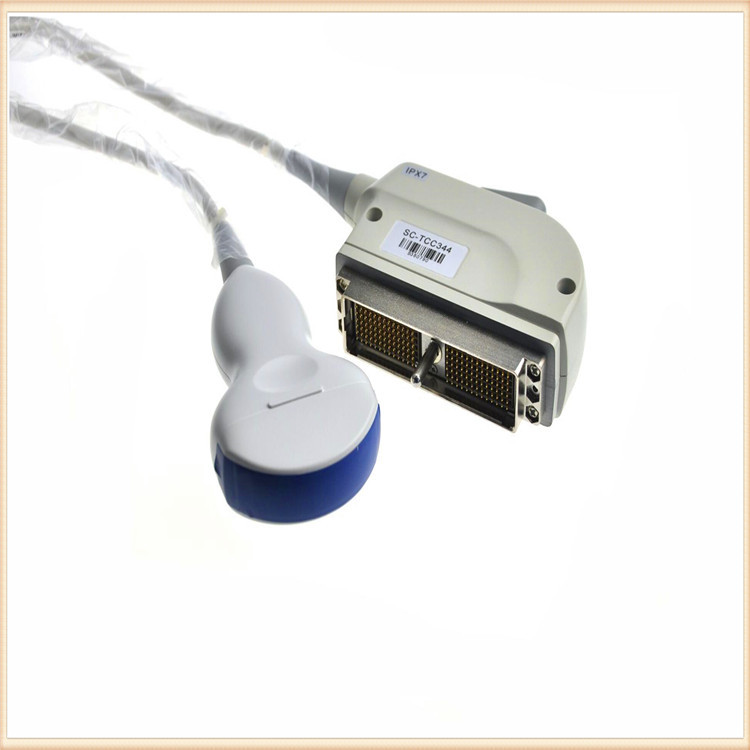
High-Performance Military Ultrasound Coaxial Cables: Built for Extreme Conditions Designed to meet the demanding requirements of military, aerospace, and medical applications, our Military-Grade Ultrasound Coaxial Cables deliver except.
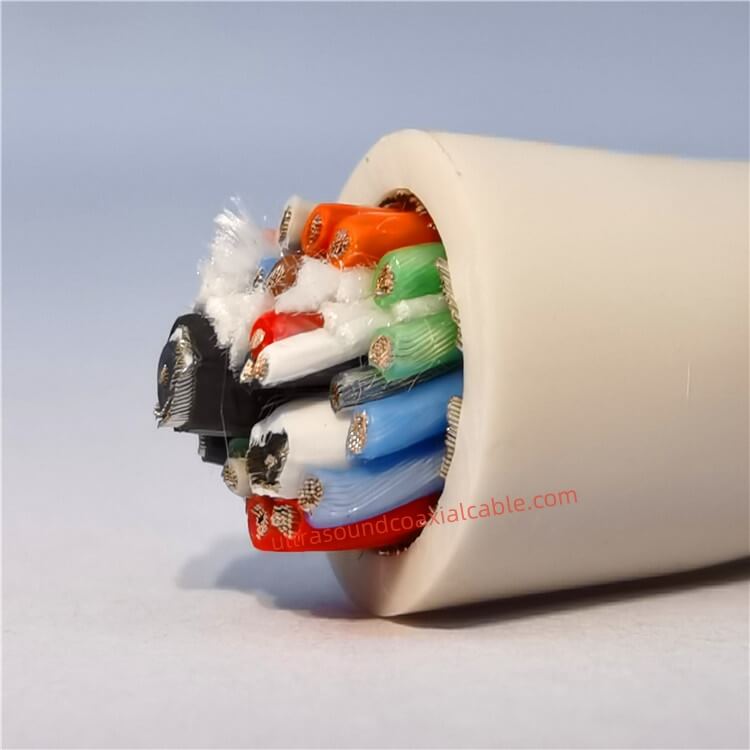
High-Precision 138-Core Medical Ultrasound Coaxial Cables | 0.2mm Ultra-Fine Biocompatible Design for Diagnostic Imaging Product Overview Engineered for advanced medical imaging systems, our 138-Core Medical Ultrasound Probe Coa.

High-Performance Flexible Coaxial Cable for Medical Imaging & Ultrasound Systems Designed for demanding applications in medical imaging, industrial diagnostics, and high-frequency signal transmission, this ultra-flexible coaxial ca.

Ultra-Flexible 42AWG Medical-Grade Coaxial Cables for High-Precision Ultrasound Imaging Designed for demanding medical imaging applications, our Ultra-Flexible 42AWG Coaxial Cables deliver exceptional signal integrity, noise reduction,.
Feel free to reach out to us for any inquiries or orders.