How does an ultrasound coaxial cable work? | High-Quality Ultrasound Coaxial Cable | ultrasound coaxial cable Manufacturer & Factory-FRS

How does an ultrasound coaxial cable work?

Ultrasound coaxial cables are specialized transmission lines designed to deliver high-frequency signals with precision in medical imaging, industrial diagnostics, and… - Professional Ultrasound Coaxial Cable Solutions

Information

Learn more about, latest news, frequently asked questions

Ultrasound coaxial cables are specialized transmission lines designed to deliver high-frequency signals with precision in medical imaging, industrial diagnostics, and telecommunications. Their unique construction ensures minimal signal loss, immunity to electromagnetic interference (EMI), and compatibility with demanding environments. Below, we break down their functionality, applications, and technical advantages to help you understand why they are critical for modern systems.


1. Core Components of an Ultrasound Coaxial Cable

Ultrasound coaxial cables follow a coaxial design, which isolates the signal-carrying conductor from external interference. Key layers include:

  • Inner Conductor: Typically made of stranded copper or silver-plated steel for high conductivity and flexibility .
  • Dielectric Insulator: A non-conductive material (e.g., polyethylene or PTFE) that maintains consistent spacing between conductors and minimizes signal attenuation .
  • Outer Shield: Braided or foil shielding (often copper or aluminum) to block EMI and prevent signal leakage .
  • Outer Jacket: Durable materials like PVC or Teflon for mechanical protection and chemical resistance .

This structure ensures that the signal travels through the controlled electromagnetic field between the inner and outer conductors, reducing noise and maintaining signal integrity .


2. How They Enable High-Frequency Signal Transmission

Ultrasound coaxial cables are engineered for high-frequency applications (MHz to GHz ranges), making them ideal for:

  • Medical Imaging: Transmitting ultrasound signals in devices like MRI machines and portable scanners. Their low attenuation (<1 dB/m at 1 GHz) ensures clear signal reception even at depth .
  • Industrial Testing: Detecting flaws in materials or monitoring pipeline integrity using ultrasonic waves.
  • Telecommunications: Supporting 5G infrastructure and satellite communications with minimal signal distortion .

The characteristic impedance (typically 50Ω or 75Ω) is optimized to match source and load devices, preventing reflections that degrade signal quality .


3. Key Advantages Over Standard Cables

  • Low Attenuation: Advanced dielectric materials reduce signal loss over long distances.
  • Flexibility: Medical-grade cables, like those used in ultrasound probes, feature ultra-thin diameters (e.g., 0.2 mm) and high bend radius ratings for maneuverability in tight spaces .
  • EMI Shielding: Multi-layer shielding (foil + braid) ensures compliance with stringent medical and industrial EMI standards .
  • Temperature Resistance: Operate reliably in extreme conditions (-55°C to +180°C) for aerospace and outdoor applications .

4. Applications in Critical Fields

  • Medical Diagnostics: Enable real-time imaging in ultrasound devices by transmitting high-frequency sound waves with precision. For example, transparent ultrasound transducers (TUTs) leverage coaxial cables to integrate optical and acoustic imaging .
  • Aerospace & Defense: Transmit data in avionics systems and missile guidance, where reliability under vibration and pressure is crucial .
  • Telecom Infrastructure: Support high-speed data transfer in fiber-optic networks and satellite links .

5. Choosing the Right Ultrasound Coaxial Cable

When selecting a cable, consider:

  • Frequency Range: Match impedance (50Ω for data, 75Ω for video/audio) to your system .
  • Flexibility vs. Rigidity: Flexible cables suit portable devices; semi-rigid types are better for fixed installations .
  • Connector Types: Common options include BNC, SMA, and F-type connectors for seamless integration .

Conclusion

Ultrasound coaxial cables are indispensable in applications requiring high-speed, low-loss signal transmission. Their robust shielding, precision engineering, and adaptability make them a cornerstone of modern technology. For specialized needs—such as medical imaging or aerospace—investing in high-performance cables ensures long-term reliability and optimal system efficiency.

Explore our range of ultrasound coaxial cables tailored for medical, industrial, and telecom applications.

Hot Selling Products

Discover our most popular furniture pieces that are loved by customers worldwide.
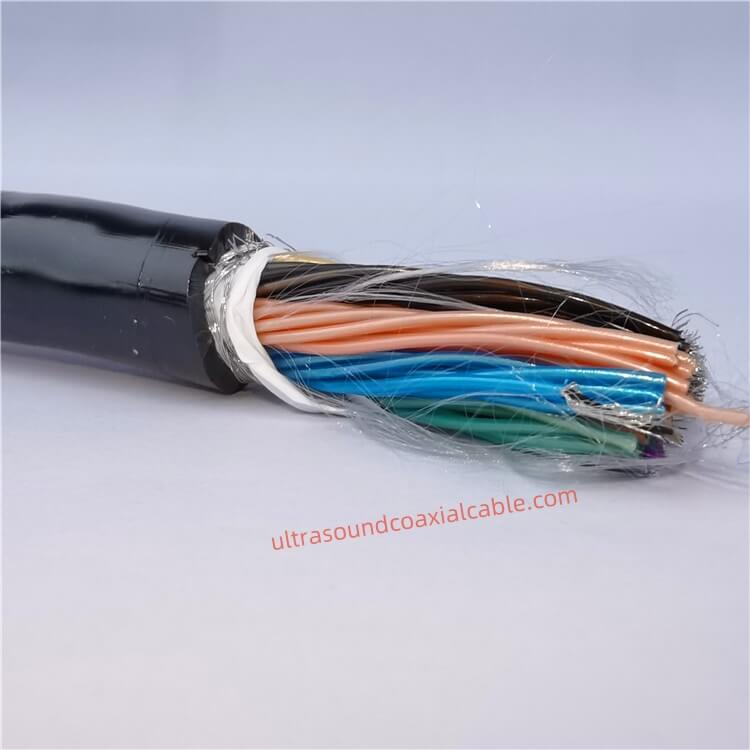
Customizable Ultrasound Coaxial Cable Assembly – 42AWG to 30AWG, 6.6mm OD, 18GHz Bandwidth

Customizable Ultrasound Coaxial Cable Assembly – 42AWG to 30AWG, 6.6mm OD, 18GHz Bandwidth

High-Performance Ultrasound Coaxial Cable Assembly: 42AWG to 30AWG, 6.6mm OD, 18GHz Bandwidth Engineered for precision in medical imaging and industrial applications, this customizable coaxial cable assembly delivers exceptional signal.
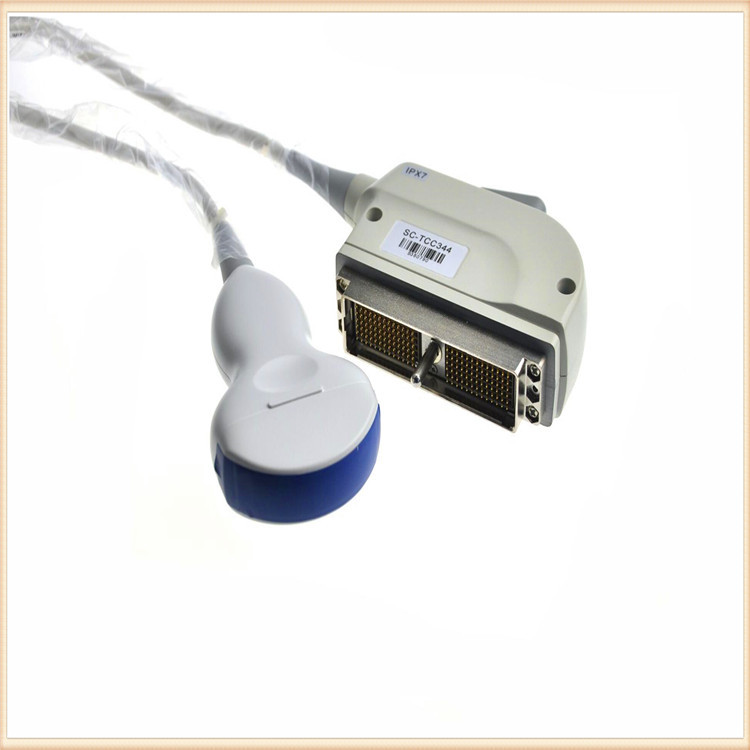
Military-Grade Ultrasound Coaxial Cable – High-Temperature Resistance, 100daN Compression Strength

Military-Grade Ultrasound Coaxial Cable – High-Temperature Resistance, 100daN Compression Strength

High-Performance Military Ultrasound Coaxial Cables: Built for Extreme Conditions Designed to meet the demanding requirements of military, aerospace, and medical applications, our Military-Grade Ultrasound Coaxial Cables deliver except.
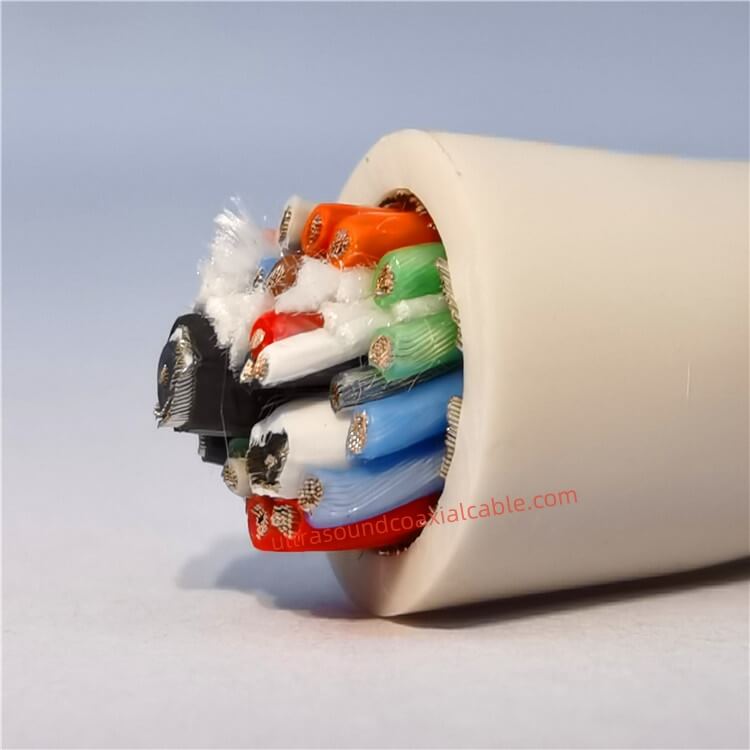
138-Core Medical Ultrasound Probe Coaxial Cable with 0.2mm Diameter – Biocompatible & FDA-Certified

138-Core Medical Ultrasound Probe Coaxial Cable with 0.2mm Diameter – Biocompatible & FDA-Certified

High-Precision 138-Core Medical Ultrasound Coaxial Cables | 0.2mm Ultra-Fine Biocompatible Design for Diagnostic Imaging Product Overview Engineered for advanced medical imaging systems, our 138-Core Medical Ultrasound Probe Coa.

Ultra-Flexible Coaxial Cable for Ultrasound Transducers – 44AWG, 0.15dB/m Attenuation at 1GHz

Ultra-Flexible Coaxial Cable for Ultrasound Transducers – 44AWG, 0.15dB/m Attenuation at 1GHz

High-Performance Flexible Coaxial Cable for Medical Imaging & Ultrasound Systems Designed for demanding applications in medical imaging, industrial diagnostics, and high-frequency signal transmission, this ultra-flexible coaxial ca.

Contact Us

Feel free to reach out to us for any inquiries or orders.

Call Us

Have a question? Give us a call!

                   +8618818785005(Whatsapp)

Email Us

Send us an email and we'll get back to you soon.

sales@custom-cable-assemblies.com
       
Home Products Contact