In the fast-evolving medical imaging landscape, ultrasound coaxial cables play a pivotal role in delivering high-fidelity diagnostic data. However, when… - Professional Ultrasound Coaxial Cable Solutions
Learn more about, latest news, frequently asked questions
In the fast-evolving medical imaging landscape, ultrasound coaxial cables play a pivotal role in delivering high-fidelity diagnostic data. However, when these cables are deployed in MRI (Magnetic Resonance Imaging) environments, their performance requirements escalate dramatically. MRI machines generate powerful magnetic fields (up to 7T or higher) and RF pulses that demand cables with exceptional non-magnetic properties, shielding effectiveness, and durability. This article explores how specialized ultrasound coaxial cables are engineered to meet these challenges, identifies key considerations for MRI compatibility, and highlights industry-leading suppliers like FRS that deliver mission-critical solutions.
MRI environments impose strict requirements on coaxial cables to prevent magnetic interference. Traditional ferrous materials like iron or steel are strictly prohibited, as even trace amounts can distort imaging accuracy. Instead, MRI-safe coaxial cables rely on non-magnetic alloys such as:
FRS, a global leader in medical interconnect solutions, sources premium-grade non-magnetic materials and rigorously tests each batch to ensure compliance with ASTM F2052 and ASTM F221 standards. Their cables undergo gauss meter testing to confirm magnetic field emissions below 0.01 μT, ensuring seamless integration with 3T/7T MRI systems .
MRI machines generate intense electromagnetic interference (EMI) from RF pulses and gradient coils. To maintain signal integrity, ultrasound coaxial cables require:
For example, FRS’s Micro-Coaxial Assemblies feature a 0.175mm pitch termination and <12 pF/ft capacitance, making them ideal for MRI-guided interventional procedures where precision is paramount .
MRI-compatible cables must adhere to stringent safety and performance regulations:
FRS’s cables are ISO 13485-certified and undergo 3,000+ bend cycles and 1,000+ autoclave cycles to simulate clinical use. Their VP90™ dielectric resists degradation under gamma sterilization, ensuring longevity in reusable endoscopic systems .
MRI systems vary widely—from neuroimaging to cardiovascular diagnostics—requiring tailored cable solutions:
FRS specializes in OEM customization, offering cables with 0.1mm diameter micro-coaxials for intravascular ultrasound (IVUS) and twisted-pair configurations for ECG/MRI hybrid systems .
When selecting an ultrasound coaxial cable supplier for MRI applications, prioritize manufacturers with:
FRS leverages 100,000 sq. ft. facilities in Scottsdale and Portland to produce cables for giants like GE Healthcare and Siemens Healthineers. Their Design-for-Manufacturing (DFMA) approach reduces lead times by 30% while maintaining <0.05% defect rates .
In MRI environments, subpar coaxial cables risk image distortion, prolonged scan times, and compromised patient safety. By choosing cables engineered for non-magnetic performance, shielding excellence, and regulatory compliance, healthcare providers can unlock clearer diagnostics and faster workflows.
FRS stands at the forefront of this innovation, combining 30+ years of expertise with cutting-edge materials like VP90™ ePTFE. Whether you need micro-coaxials for neurovascular imaging or flexible assemblies for robotic surgery, FRS delivers solutions that exceed the demands of today’s most advanced MRI systems.
Invest in reliability. Partner with a manufacturer committed to advancing medical imaging—partner with FRS.
Discover our most popular furniture pieces that are loved by customers worldwide.

High-Performance Flexible Coaxial Cable for Medical Imaging & Ultrasound Systems Designed for demanding applications in medical imaging, industrial diagnostics, and high-frequency signal transmission, this ultra-flexible coaxial ca.
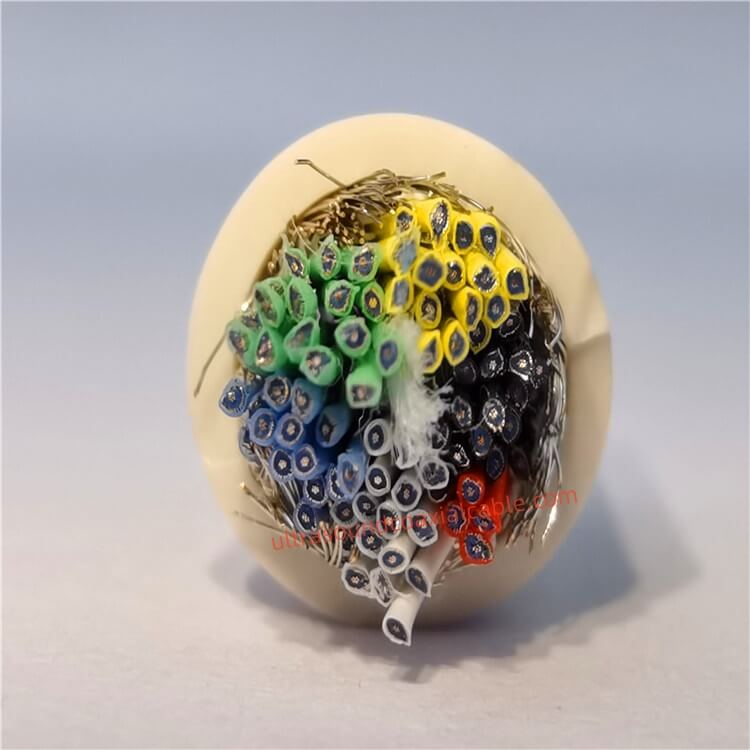
Product OverviewThe Ultrasound Coaxial Cable is a specialized cable engineered to deliver ultra-low signal loss, exceptional shielding, and unmatched durability in critical environments. Designed for medical imaging, industrial testi.
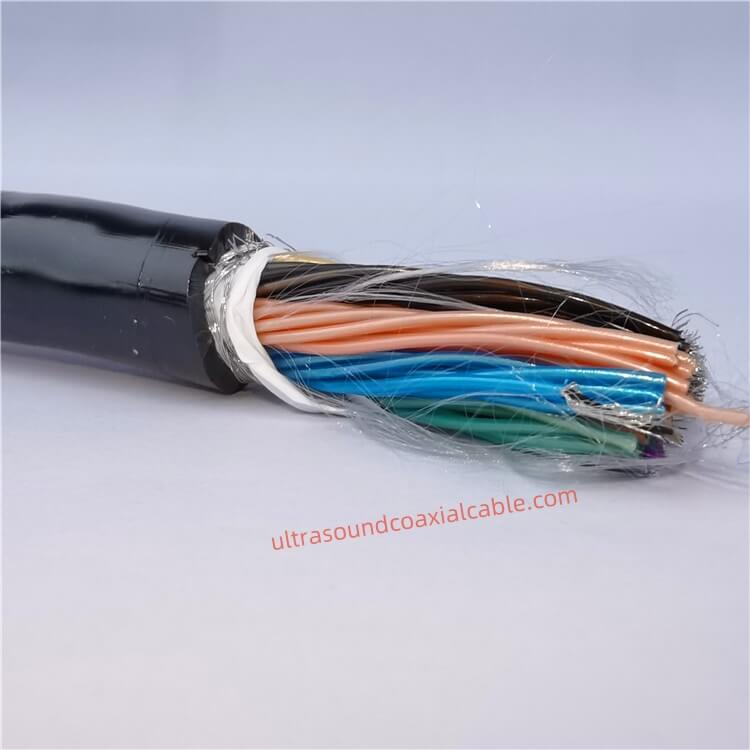
High-Performance Ultrasound Coaxial Cable Assembly: 42AWG to 30AWG, 6.6mm OD, 18GHz Bandwidth Engineered for precision in medical imaging and industrial applications, this customizable coaxial cable assembly delivers exceptional signal.
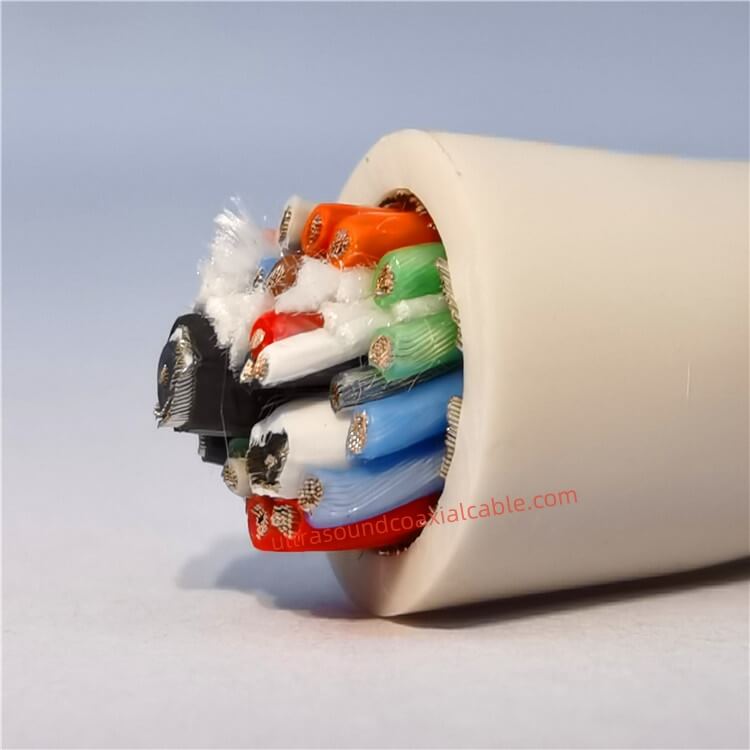
High-Precision 138-Core Medical Ultrasound Coaxial Cables | 0.2mm Ultra-Fine Biocompatible Design for Diagnostic Imaging Product Overview Engineered for advanced medical imaging systems, our 138-Core Medical Ultrasound Probe Coa.
Feel free to reach out to us for any inquiries or orders.