Precision in Motion: The Critical Role of Ultrasound Coaxial Cables in Modern Robotic Surgery The evolution of robotic surgery has… - Professional Ultrasound Coaxial Cable Solutions
Learn more about, latest news, frequently asked questions
Precision in Motion: The Critical Role of Ultrasound Coaxial Cables in Modern Robotic Surgery
The evolution of robotic surgery has revolutionized medical procedures, enabling unparalleled precision and minimally invasive techniques. At the heart of this technological leap lies a critical yet often overlooked component: ultrasound coaxial cables. These specialized cables serve as the lifeline for transmitting high-frequency signals that power imaging, navigation, and therapeutic systems in robotic surgical platforms. This article explores how ultrasound coaxial cables are reshaping the landscape of robotic surgery, their technical advantages, and real-world applications driving their adoption.
Ultrasound coaxial cables are engineered to transmit high-frequency sound waves (typically 2–20 MHz) with minimal signal loss and interference. Unlike standard cables, they feature a layered design:
These cables are optimized for dynamic environments, accommodating repeated bending and sterilization without compromising performance.
Robotic systems rely on real-time imaging and tactile feedback to perform intricate procedures. Ultrasound coaxial cables bridge the gap between imaging probes and control systems, enabling:
Robotic surgery often uses intraoperative ultrasound to guide needle placements, tumor resections, or vascular navigation. Coaxial cables ensure crystal-clear imaging by maintaining signal integrity even during rapid probe movements. For instance, systems like the Flexible Ultrasound Scanning System (FUSS) rely on coaxial cables to stabilize probes under robotic arm control, achieving sub-millimeter accuracy in spinal surgeries .
Delays in signal transmission can compromise patient safety. Ultrasound coaxial cables reduce latency to microseconds, allowing surgeons to receive live feedback during procedures like robotic prostatectomies or neurosurgeries .
Reusable surgical robots require cables that withstand repeated autoclaving. Medical-grade coaxial cables with silicone jackets resist high temperatures and chemical agents, ensuring compliance with strict hygiene standards .
Ultrasound-guided robotic systems use coaxial cables to direct high-intensity focused ultrasound (HIFU) beams. For example, Russia’s FUSBOT-BS robot employs coaxial cables to ablate breast tumors with precision, minimizing collateral damage .
In delicate procedures like brain tumor removal, coaxial cables enable real-time 3D imaging. The ExAblate®2000 system uses MRI-compatible cables to fuse imaging data with robotic motion, ensuring millimeter-level accuracy .
Robotic catheter systems depend on ultrasound coaxial cables for hemodynamic monitoring. Flexible cables navigate tortuous blood vessels while transmitting Doppler signals, critical for procedures like transcatheter aortic valve replacements .
Modern cables are as thin as 0.3 mm in diameter, fitting into micron-scale robotic tools. This miniaturization is vital for single-port laparoscopic robots, where space constraints demand compact components .
Next-gen cables support frequencies up to 3 GHz, enabling ultra-high-resolution imaging. Companies like Shuangyi Wang’s lab integrate these cables into parallel robotic systems for automated needle insertion, improving cancer biopsy accuracy .
AI-driven surgical platforms leverage coaxial cables to process real-time imaging data. For example, Ultrasound in Medicine & Biology studies show AI algorithms using coaxial data to differentiate benign and malignant tissues with 98% accuracy .
While transformative, ultrasound coaxial cables face hurdles:
The fusion of ultrasound coaxial cables with AI and 5G connectivity promises even greater advancements. Imagine robotic surgeons performing remote procedures using real-time 8K ultrasound feeds transmitted via ultra-low-loss coaxial cables. Companies like Shenyu Electronics are already pioneering cables with 60 GHz bandwidth, poised to redefine robotic surgery .
Simplifying the Tech Talk
Think of ultrasound coaxial cables as the nervous system of robotic surgery. They’re the quiet heroes ensuring every movement, every scan, and every incision is precise. As robots become smarter and surgeries less invasive, these cables will only grow in importance—quietly working behind the scenes to save lives.
Whether it’s removing a brain tumor or repairing a heart valve, ultrasound coaxial cables are making the impossible possible. And as technology evolves, they’ll continue to push the boundaries of what robots can achieve in medicine.
Discover our most popular furniture pieces that are loved by customers worldwide.

Ultra-Flexible 42AWG Medical-Grade Coaxial Cables for High-Precision Ultrasound Imaging Designed for demanding medical imaging applications, our Ultra-Flexible 42AWG Coaxial Cables deliver exceptional signal integrity, noise reduction,.
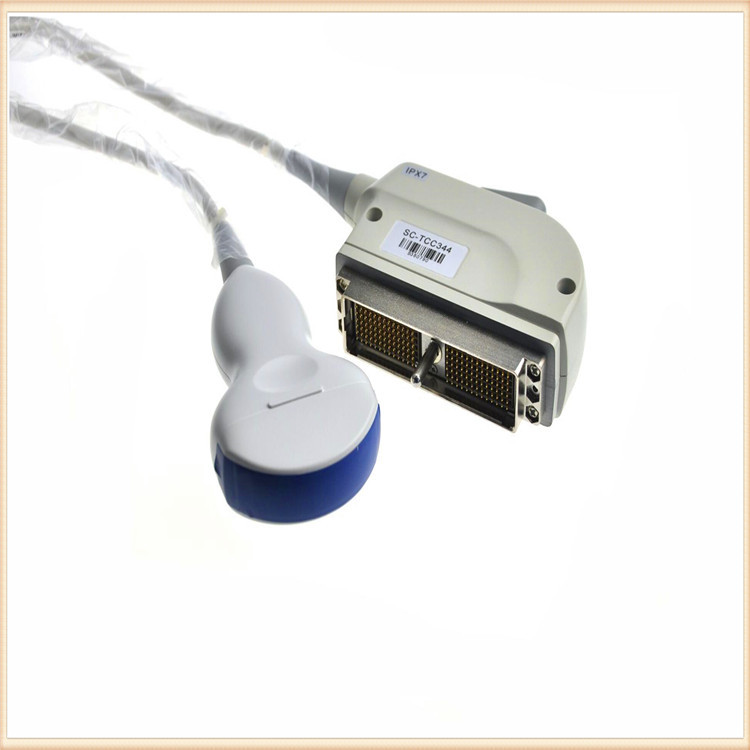
High-Performance Military Ultrasound Coaxial Cables: Built for Extreme Conditions Designed to meet the demanding requirements of military, aerospace, and medical applications, our Military-Grade Ultrasound Coaxial Cables deliver except.
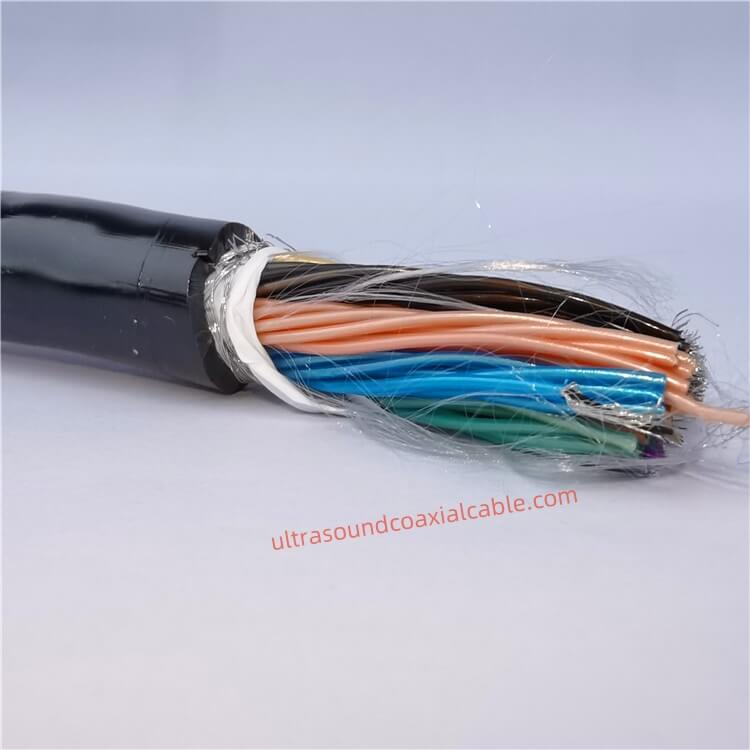
High-Performance Ultrasound Coaxial Cable Assembly: 42AWG to 30AWG, 6.6mm OD, 18GHz Bandwidth Engineered for precision in medical imaging and industrial applications, this customizable coaxial cable assembly delivers exceptional signal.
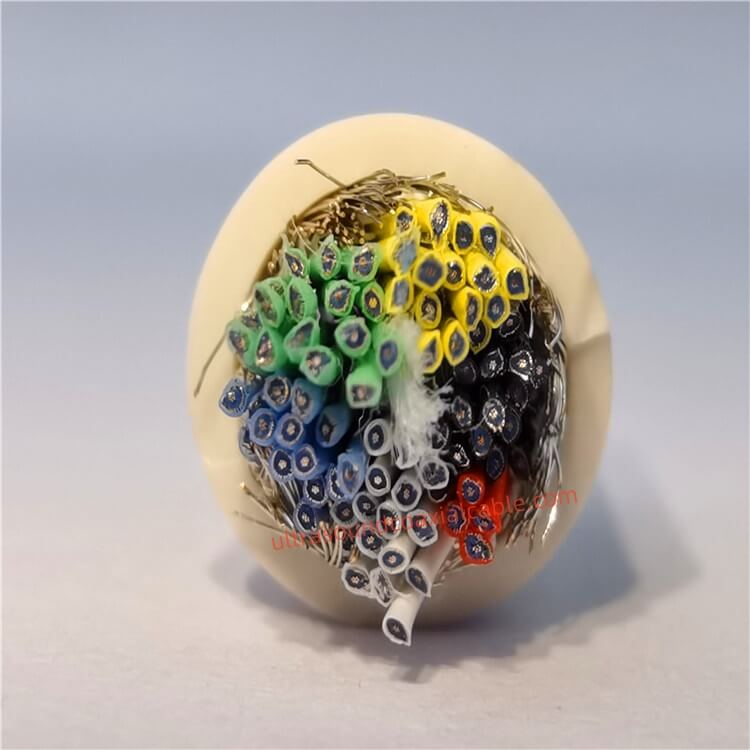
Product OverviewThe Ultrasound Coaxial Cable is a specialized cable engineered to deliver ultra-low signal loss, exceptional shielding, and unmatched durability in critical environments. Designed for medical imaging, industrial testi.
Feel free to reach out to us for any inquiries or orders.