Can Medical Ultrasound Coaxial Cable Withstand Repeated Sterilization in Clinical Use? | High-Quality Ultrasound Coaxial Cable | ultrasound coaxial cable Manufacturer & Factory-FRS

Can Medical Ultrasound Coaxial Cable Withstand Repeated Sterilization in Clinical Use?

Yes, medical-grade ultrasound coaxial cables can withstand repeated sterilization when designed with appropriate materials and validated processes.​ However, not all… - Professional Ultrasound Coaxial Cable Solutions

Information

Learn more about, latest news, frequently asked questions

Yes, medical-grade ultrasound coaxial cables can withstand repeated sterilization when designed with appropriate materials and validated processes.​ However, not all cables are created equal—the ability to endure multiple sterilization cycles depends on specific engineering features, material selection, and compliance with stringent medical standards. This comprehensive guide explores the science behind sterilization-compatible ultrasound coaxial cables, industry standards, and best practices for clinical applications.

Understanding Sterilization Requirements in Medical Settings

Medical ultrasound coaxial cables are critical components in diagnostic imaging systems, transmitting high-frequency signals between transducers and imaging devices. In clinical environments, these cables often come into direct or indirect contact with patients, bodily fluids, or surgical environments, making sterilization essential for preventing cross-contamination and ensuring patient safety.

The Spaulding Classification system guides sterilization requirements based on device risk:

  • Critical devices​ (e.g., surgical probes) must achieve sterility before use
  • Semi-critical devices​ (e.g., endoscopic probes) require high-level disinfection
  • Non-critical devices​ (e.g., external-use probes) need intermediate-level disinfection

Sterilization Methods Compatible with Ultrasound Coaxial Cables

1. Steam Autoclaving (Autoclave Sterilization)

Autoclaving uses high-pressure saturated steam at temperatures up to 135°C for 15-30 minutes. This method is ideal for critical devices requiring sterility but poses challenges for coaxial cables due to material sensitivity. Cables must use heat-resistant polymers like PTFE (Teflon) or silicone insulation that can withstand repeated autoclave cycles without degrading.

Key considerations for autoclave-compatible cables:

  • Material resilience: Heat-resistant polymers must maintain flexibility and structural integrity
  • Shield integrity: Braided or foil shielding must resist oxidation from moisture exposure
  • Connector durability: Stainless steel or gold-plated connectors prevent rust or pitting

2. Ethylene Oxide (EtO) Gas Sterilization

EtO is a low-temperature sterilization method ideal for heat-sensitive components. The process involves exposing cables to ethylene oxide gas for 12-16 hours, followed by aeration to eliminate residual toxins. This method effectively penetrates packaging and cable layers but requires careful material selection to avoid EtO-induced degradation.

3. Hydrogen Peroxide Plasma (H₂O₂)

This low-temperature process uses ionized hydrogen peroxide to kill pathogens without leaving toxic residues. With cycle times of 30-60 minutes, H₂O₂ plasma is compatible with most plastics and thin insulation layers, making it suitable for delicate cables in endoscopes or intravascular ultrasound systems.

4. Chemical Disinfectants

For non-critical applications, wiping cables with 70% isopropyl alcohol (IPA) or glutaraldehyde solutions is common. However, prolonged exposure to alcohol can soften certain plastics, affecting signal integrity, while chlorine-based disinfectants may damage metallic components.

Design Features Enabling Repeated Sterilization

Medical-grade ultrasound coaxial cables incorporate specific engineering features to withstand repeated sterilization cycles:

High-Temperature Materials

  • PTFE insulation: Maintains flexibility and conductivity under thermal stress
  • Silicone jackets: Biocompatible and resistant to repeated sterilization
  • Nickel-plated connectors: Prevent corrosion and maintain signal integrity

Advanced Shielding Technology

  • Triple-layer shielding: Aluminum foil + braid + foil combinations block 99.9% of EMI
  • Low-porosity shielding: Minimizes microbial harborage points
  • Sealed connectors: IP67-rated seals prevent moisture ingress during sterilization

Material Certifications

  • ISO 10993-5: Biocompatibility testing for patient-contact materials
  • ISO 13485: Quality management systems for medical devices
  • RoHS and REACH: Compliance with restricted substance limitations

Industry Standards and Regulatory Compliance

Medical ultrasound coaxial cables must adhere to stringent regulatory standards to ensure patient and operator safety:

Key Certifications

  • IEC 60601-1: Electrical safety of medical equipment
  • ISO 13485: Quality management systems for medical devices
  • ISO 10993-5: Biocompatibility testing
  • RoHS and REACH: Restricted substance compliance

Sterility Assurance Level (SAL)

The FDA requires a Sterility Assurance Level of 10^-6, meaning less than one in a million chance of contamination. This standard applies to all sterile medical devices, including ultrasound coaxial cables used in critical applications.

Validation Requirements

Manufacturers must validate sterilization processes through:

  • Installation Qualification (IQ): Confirms equipment installation meets specifications
  • Operational Qualification (OQ): Verifies equipment operates within defined parameters
  • Performance Qualification (PQ): Demonstrates process consistently achieves required SAL

Market Analysis and Industry Trends

The global ultrasound coaxial cable market is experiencing significant growth, driven by technological advancements and increasing healthcare demands:

Market Growth Drivers

  • Increasing channel counts: Advanced ultrasound systems now utilize 198-core or higher configurations for higher resolution imaging
  • Material innovations: Fluoropolymer-insulated cables offer 20% higher flexibility compared to previous generations
  • Hybrid designs: Combining multiple cable types within single jackets reduces clutter and improves handling

Regional Growth Patterns

The Asia-Pacific region shows particularly strong growth (12.5% CAGR), driven by healthcare infrastructure expansion. This growth creates demand for cables that balance performance with cost-effectiveness for high-volume applications.

Industry Challenges

  • Material sensitivity: Heat-sensitive polymers and delicate shielding require careful engineering
  • Complex geometry: Flexible, coiled designs can trap debris, making thorough cleaning difficult
  • Regulatory compliance: Must adhere to standards like ISO 13485, AAMI ST58, and FDA guidelines

Product Specifications and Performance Metrics

Technical Parameters

  • Impedance: 50Ω or 75Ω for medical applications
  • Frequency range: DC to 40 GHz for advanced imaging systems
  • Temperature range: -55°C to +200°C for extreme environments
  • Bend radius: 5× cable diameter for flexible robotic applications

Signal Performance

  • Attenuation: <0.15 dB/m at 1 GHz for low-loss transmission
  • Shielding effectiveness: Up to 100 dB EMI rejection
  • Flex life: 10,000+ bending cycles without cracking

Material Specifications

  • Conductor gauge: 38-46 AWG for precision applications
  • Insulation: Foam polyethylene dielectric for minimal signal loss
  • Jacket materials: PVC, TPU, or silicone for environmental protection

Applications and Use Cases

Medical Imaging

  • Surgical ultrasound: Sterilized cables connect intra-abdominal probes to imaging consoles in laparoscopic procedures
  • Cardiology: Compatible with 256-element phased array probes
  • Radiology: Supports 18MHz high-frequency linear transducers

Veterinary Diagnostics

Clinics reuse transvaginal probes for livestock exams, relying on autoclave-safe cables that withstand repeated sterilization cycles.

Pharmaceutical Cleanrooms

Coaxial cables in ultrasonic homogenizers undergo vaporized hydrogen peroxide (VHP) sterilization to meet GMP standards for pharmaceutical manufacturing.

Industrial Applications

  • Non-destructive testing: Long coaxial cables (up to 60 meters) connect flaw detectors to transducers
  • Robotic surgery: Precision cables enable real-time imaging during minimally invasive procedures

Product Pain Points and Solutions

Common Failure Modes

  • Signal degradation: Pixelation in imaging systems or weak/intermittent signals
  • Physical damage: Cracked outer jackets, frayed connectors, or corrosion
  • Performance issues: Slow data transmission or inaccurate readings

Solutions from Leading Manufacturers

FRS Medical Coaxial Cables​ address these challenges through:

  • Custom configurations: Adjust conductor gauge, shielding layers, and jacket materials to meet specific requirements
  • Scalable production: Weekly capacity of 1,000,000 meters with rapid prototyping
  • Technical support: 24/7 assistance with installation and troubleshooting

Cost of Non-Compliance

Using non-autoclavable cables risks:

  • Infection control failures: Residual pathogens on degraded cables can compromise patient safety
  • Downtime: Fractured cables halt procedures, incurring costly delays
  • Regulatory penalties: Non-compliant equipment violates healthcare accreditation standards

Maintenance and Longevity Best Practices

Inspection Protocols

  • Regular visual checks: Monthly inspections for cracks, kinks, or swelling
  • Signal testing: Use multimeters or TDRs to monitor signal integrity
  • Connector maintenance: Check for corrosion or looseness

Storage and Handling

  • Proper coiling: Store cables loosely (figure-8 pattern) to avoid kinks
  • Environmental protection: Keep cables in dry, dust-free environments away from UV exposure
  • Avoid over-bending: Maintain minimum bend radius of 6-12 times cable diameter

Replacement Guidelines

The typical lifespan of an ultrasound coaxial cable ranges from 5 to 25 years, depending on construction, usage environment, and maintenance. High-demand applications like 24/7 medical imaging systems may require replacement every 5-8 years due to constant vibration and wear.

Why Choose Professional-Grade Solutions

Investing in autoclave-certified cables from reputable manufacturers like FRS​ mitigates risks while ensuring long-term operational efficiency. Key advantages include:

Technical Expertise

  • 20+ years of manufacturing experience​ in ultra-fine ultrasound coaxial cables
  • ISO 9001, ISO 13485, IATF 16949 certifications​ ensuring quality compliance
  • Custom engineering support​ for unique application requirements

Performance Assurance

  • Precision signal transmission: <0.5 dB/m attenuation at 1 GHz
  • Enhanced durability: Braided shielding withstands 10,000+ bending cycles
  • Global compliance: CE, RoHS, and FDA guidelines with full traceability

Operational Efficiency

  • Reduced setup time: Pre-terminated cables reduce setup time by 40% in OR environments
  • Minimized downtime: Reliable performance prevents procedure interruptions
  • Long-term cost savings: Durable construction reduces replacement frequency

Conclusion

Medical ultrasound coaxial cables can indeed withstand repeated sterilization when designed with the appropriate materials, engineering features, and compliance with industry standards. The key to success lies in selecting cables specifically engineered for thermal resilience, electromagnetic integrity, and regulatory compliance.

By partnering with trusted manufacturers like FRS​ that offer medical-grade materials, custom solutions, and comprehensive documentation, healthcare providers can uphold patient safety, streamline workflows, and avoid costly equipment failures. Prioritizing cables with validated sterilization capabilities ensures that medical imaging systems deliver reliable performance throughout their operational lifespan while maintaining the highest standards of infection control and patient care.

Hot Selling Products

Discover our most popular furniture pieces that are loved by customers worldwide.
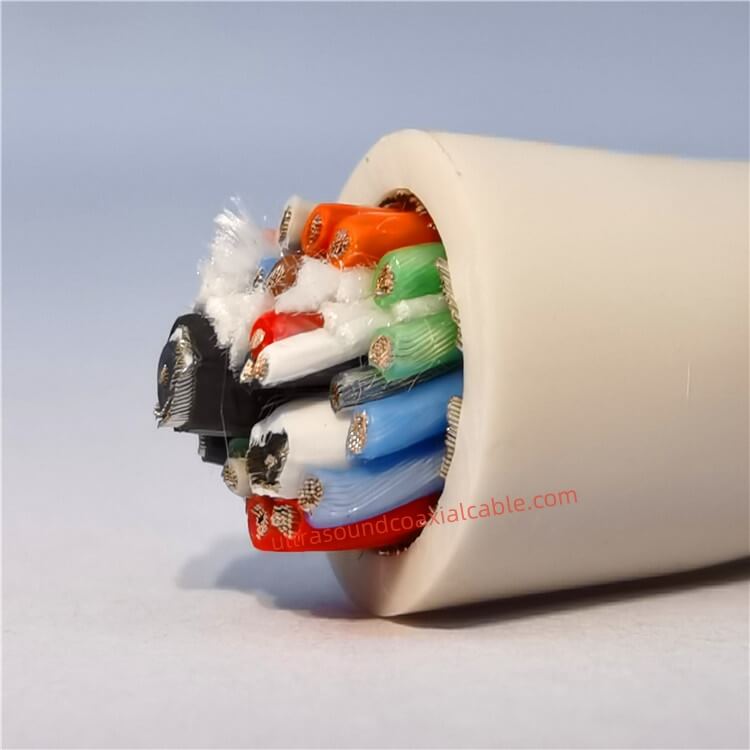
138-Core Medical Ultrasound Probe Coaxial Cable with 0.2mm Diameter – Biocompatible & FDA-Certified

138-Core Medical Ultrasound Probe Coaxial Cable with 0.2mm Diameter – Biocompatible & FDA-Certified

High-Precision 138-Core Medical Ultrasound Coaxial Cables | 0.2mm Ultra-Fine Biocompatible Design for Diagnostic Imaging Product Overview Engineered for advanced medical imaging systems, our 138-Core Medical Ultrasound Probe Coa.
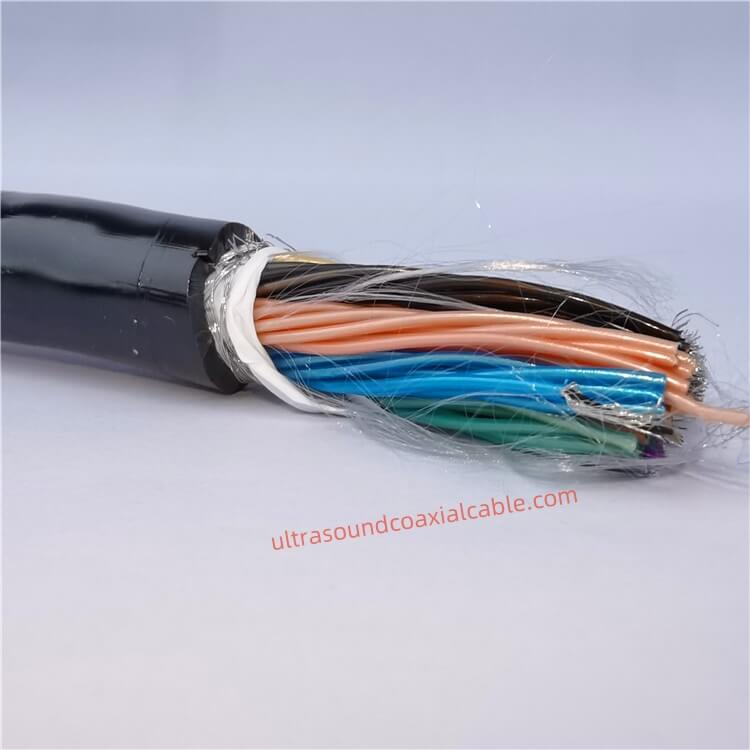
Customizable Ultrasound Coaxial Cable Assembly – 42AWG to 30AWG, 6.6mm OD, 18GHz Bandwidth

Customizable Ultrasound Coaxial Cable Assembly – 42AWG to 30AWG, 6.6mm OD, 18GHz Bandwidth

High-Performance Ultrasound Coaxial Cable Assembly: 42AWG to 30AWG, 6.6mm OD, 18GHz Bandwidth Engineered for precision in medical imaging and industrial applications, this customizable coaxial cable assembly delivers exceptional signal.

High-Precision Ultrasound Coaxial Cable for Medical Imaging – Low Noise, Flexible Design, 42AWG

High-Precision Ultrasound Coaxial Cable for Medical Imaging – Low Noise, Flexible Design, 42AWG

Ultra-Flexible 42AWG Medical-Grade Coaxial Cables for High-Precision Ultrasound Imaging Designed for demanding medical imaging applications, our Ultra-Flexible 42AWG Coaxial Cables deliver exceptional signal integrity, noise reduction,.

Ultra-Flexible Coaxial Cable for Ultrasound Transducers – 44AWG, 0.15dB/m Attenuation at 1GHz

Ultra-Flexible Coaxial Cable for Ultrasound Transducers – 44AWG, 0.15dB/m Attenuation at 1GHz

High-Performance Flexible Coaxial Cable for Medical Imaging & Ultrasound Systems Designed for demanding applications in medical imaging, industrial diagnostics, and high-frequency signal transmission, this ultra-flexible coaxial ca.

Contact Us

Feel free to reach out to us for any inquiries or orders.

Call Us

Have a question? Give us a call!

                   +8618818785005(Whatsapp)

Email Us

Send us an email and we'll get back to you soon.

sales@custom-cable-assemblies.com
       
Home Products Contact