Choosing the Right Ultrasound Coaxial Cable for High-Vibration Environments: Key Considerations Ultrasound technology has become indispensable across industries, from medical… - Professional Ultrasound Coaxial Cable Solutions
Learn more about, latest news, frequently asked questions
Choosing the Right Ultrasound Coaxial Cable for High-Vibration Environments: Key Considerations
Ultrasound technology has become indispensable across industries, from medical diagnostics to industrial quality control. At the heart of many ultrasound systems lies the ultrasound coaxial cable, a critical component responsible for transmitting high-frequency signals with precision. But what happens when these cables are exposed to high-vibration environments? Can they withstand the mechanical stress without compromising performance? This article dives into the design, applications, and best practices for using ultrasound coaxial cables in such demanding scenarios.
Ultrasound coaxial cables are engineered to transmit ultrasonic signals with minimal loss and interference. Unlike standard RF cables, they are optimized for high-frequency applications (typically 20 kHz to 100 MHz) and often incorporate materials like silver-plated copper conductors and low-loss dielectrics to ensure signal integrity . Key features include:
In high-vibration settings—such as automotive assembly lines, aerospace equipment, or portable medical devices—these cables must endure constant movement, shocks, and temperature fluctuations.
Vibration introduces unique stresses that can degrade cable performance:
For example, in automotive ultrasonic sensors used for parking assistance, cables must withstand engine vibrations while maintaining consistent signal transmission.
Not all ultrasound coaxial cables are created equal. Manufacturers address vibration challenges through:
For instance, Suzhou Talent Microwave’s TLbend series combines flexibility with phase stability, making it ideal for dynamic environments .
Ultrasound coaxial cables are pivotal in industries where vibration is unavoidable:
Case studies highlight cables with 42AWG micro-coaxial strands and silicone jackets, which excel in flexibility and thermal stability .
To maximize lifespan in high-vibration scenarios:
For example, in ultrasound-based non-destructive testing (NDT) of metal welds, improperly secured cables can introduce noise, skewing results .
Advancements in materials science have revolutionized vibration-resistant cables:
One notable example is Coaxial RF Cable Series T from Suzhou Talent Microwave, designed for airborne systems with stringent vibration tolerances .
While some cables handle vibration, others are ill-suited:
For high-stakes environments like surgical ultrasound tools, investing in military-grade, phase-stable cables is non-negotiable .
Ultrasound coaxial cables can thrive in high-vibration environments, but success hinges on selecting the right design, materials, and installation practices. By prioritizing flexibility, shielding, and thermal management—coupled with rigorous maintenance—you can ensure reliable performance in even the most demanding applications. Whether in medical imaging or aerospace engineering, the right cable is your silent partner against the odds of vibration.
Final Tip: Consult manufacturers for custom solutions. Many offer cables tailored to specific vibration profiles, frequencies, and environmental conditions.
Discover our most popular furniture pieces that are loved by customers worldwide.
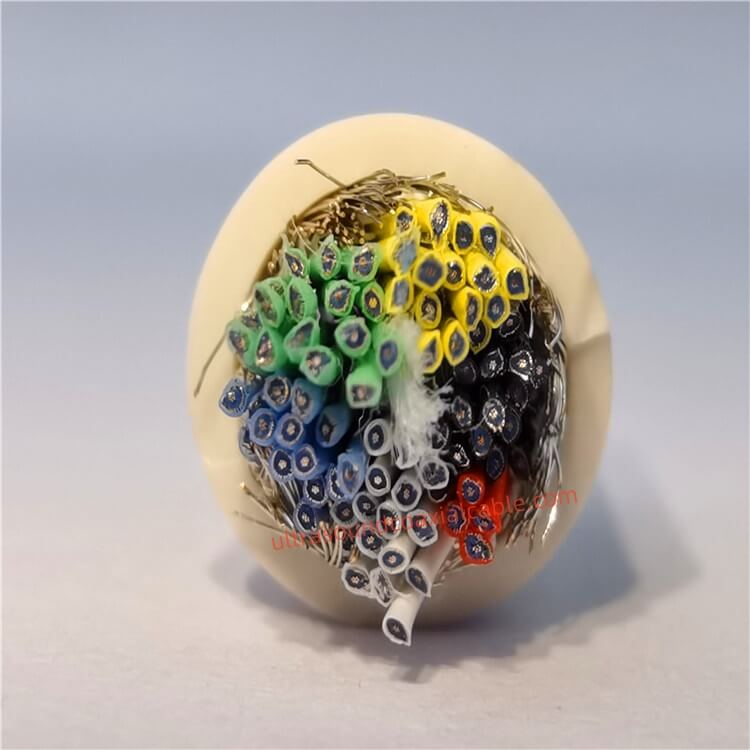
Product OverviewThe Ultrasound Coaxial Cable is a specialized cable engineered to deliver ultra-low signal loss, exceptional shielding, and unmatched durability in critical environments. Designed for medical imaging, industrial testi.
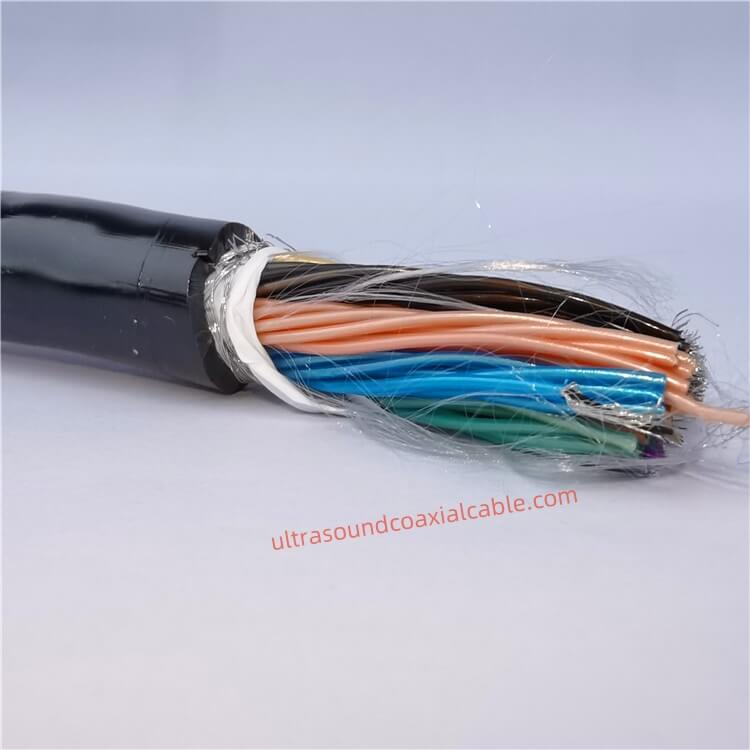
High-Performance Ultrasound Coaxial Cable Assembly: 42AWG to 30AWG, 6.6mm OD, 18GHz Bandwidth Engineered for precision in medical imaging and industrial applications, this customizable coaxial cable assembly delivers exceptional signal.

High-Precision 138-Core Medical Ultrasound Coaxial Cables | 0.2mm Ultra-Fine Biocompatible Design for Diagnostic Imaging Product Overview Engineered for advanced medical imaging systems, our 138-Core Medical Ultrasound Probe Coa.
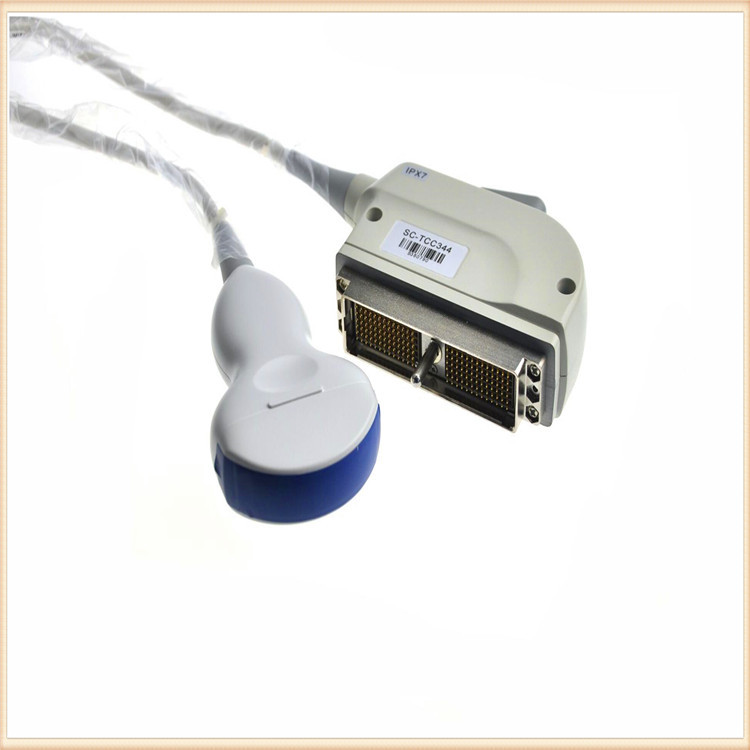
High-Performance Military Ultrasound Coaxial Cables: Built for Extreme Conditions Designed to meet the demanding requirements of military, aerospace, and medical applications, our Military-Grade Ultrasound Coaxial Cables deliver except.
Feel free to reach out to us for any inquiries or orders.