Can I Autoclave Ultrasound Coaxial Cables Used in Surgery? A Comprehensive Guide for Medical Professionals​ | High-Quality Ultrasound Coaxial Cable | ultrasound coaxial cable Manufacturer & Factory-FRS

Can I Autoclave Ultrasound Coaxial Cables Used in Surgery? A Comprehensive Guide for Medical Professionals​

In the fast-paced environment of modern surgery, ensuring the reliability and sterility of medical equipment is critical. Ultrasound coaxial cables,… - Professional Ultrasound Coaxial Cable Solutions

Information

Learn more about, latest news, frequently asked questions

In the fast-paced environment of modern surgery, ensuring the reliability and sterility of medical equipment is critical. Ultrasound coaxial cables, integral to imaging systems and minimally invasive procedures, often face stringent hygiene demands. A common question among healthcare providers is: Can these cables withstand autoclaving—the gold standard for sterilization in surgical settings?This article explores the technical feasibility, material considerations, and best practices for autoclaving ultrasound coaxial cables, while highlighting industry-leading solutions from specialized manufacturers like ​FRS.


Understanding Autoclaving and Its Impact on Cables

Autoclaving involves exposing equipment to high-pressure steam at temperatures exceeding 121°C (250°F) to eliminate pathogens. While effective, this process poses challenges for delicate components like coaxial cables. Key factors include:

  1. Material Compatibility: Cables must resist heat distortion, moisture penetration, and mechanical stress during rapid temperature changes.
  2. Shielding Integrity: Autoclaving should not degrade electromagnetic shielding, which is vital for signal clarity in imaging systems.
  3. Connector Durability: Seals and connectors must maintain airtight integrity to prevent contamination post-sterilization.

Design Considerations for Autoclavable Ultrasound Coaxial Cables

Not all cables are created equal. Manufacturers specializing in medical-grade solutions prioritize:

  • Heat-Resistant Insulation: Materials like fluoropolymers (e.g., PTFE) or high-density polyethylene (HDPE) tolerate extreme temperatures without cracking or degrading .
  • Sealed Connectors: Autoclavable cables often feature reinforced strain relief and epoxy-sealed joints to block moisture ingress. For example, FRS’s autoclave-compatible cables use medical-grade silicone jackets and stainless steel shielding to withstand 30+ autoclave cycles .
  • Flexibility Retention: Repeated sterilization can cause brittleness. High-performance cables incorporate flexible copper conductors and low-density dielectrics to maintain durability .

Industry Standards and Certifications

To ensure safety and efficacy, autoclavable cables must comply with rigorous standards:

  • ISO 13485: Governs medical device manufacturing, mandating traceability and sterility validation.
  • IEC 60601-1: Specifies electrical safety requirements for medical equipment exposed to sterilization processes.
  • USP Class VI: Tests biocompatibility for prolonged human contact.

Leading suppliers like ​FRS​ design cables to exceed these benchmarks, offering documentation for seamless compliance with hospital procurement protocols.


Best Practices for Autoclaving Ultrasound Cables

  1. Pre-Sterilization Preparation:
    • Clean cables with pH-neutral disinfectants (e.g., chlorhexidine) to avoid residue buildup.
    • Ensure connectors are fully seated to prevent steam leakage.
  2. Cycle Parameters:
    • Maintain 121–134°C for 15–30 minutes, depending on cable thickness and material.
    • Avoid rapid temperature changes to minimize thermal shock.
  3. Post-Sterilization Inspection:
    • Check for discoloration, cracks, or impedance shifts using a time-domain reflectometer (TDR).
    • Replace cables showing >15% performance degradation .

Why Partner with FRS for Autoclavable Solutions?​

As a trusted manufacturer of medical-grade cables, ​FRS​ addresses the unique demands of surgical environments:

  • Customizable Configurations: From 24 AWG power lines to 50 Ω impedance imaging cables, FRS tailors solutions for endoscopes, robotic systems, and portable ultrasound devices.
  • Sterilization-Ready Designs: Cables incorporate color-coded silicone jackets for easy identification and EMI-shielded braiding to prevent data corruption.
  • Global Compliance: Products meet CE, RoHS, and FDA guidelines, with full traceability for audit readiness.

For example, FRS’s ​Autoclave Shielded Coaxial Assemblies​ feature:

  • Triple-Layer Shielding: Aluminum foil + braid + foil to block 99.9% of EMI.
  • Low-Odor Materials: TPU jackets comply with ISO 10993 for biocompatibility.
  • Rapid Deployment: Pre-terminated cables reduce setup time by 40% in OR environments .

The Cost of Non-Compliance

Using non-autoclavable cables risks:

  • Infection Control Failures: Residual pathogens on degraded cables can compromise patient safety.
  • Downtime: Fractured cables halt procedures, incurring costly delays.
  • Regulatory Penalties: Non-compliant equipment violates healthcare accreditation standards.

Investing in autoclave-certified cables from ​FRS​ mitigates these risks while ensuring long-term operational efficiency.


Conclusion

Autoclaving ultrasound coaxial cables is not only feasible but essential in today’s sterile surgical landscape. By selecting cables engineered for thermal resilience, electromagnetic integrity, and regulatory compliance—such as those from ​FRS—healthcare providers can uphold patient safety, streamline workflows, and avoid costly equipment failures. Prioritize manufacturers that offer technical support, customization, and comprehensive documentation to align with your institution’s needs.

For more details on autoclavable cable solutions, explore ​FRS’s product portfolio or consult their engineering team to tailor a system that meets your operational demands.

Hot Selling Products

Discover our most popular furniture pieces that are loved by customers worldwide.
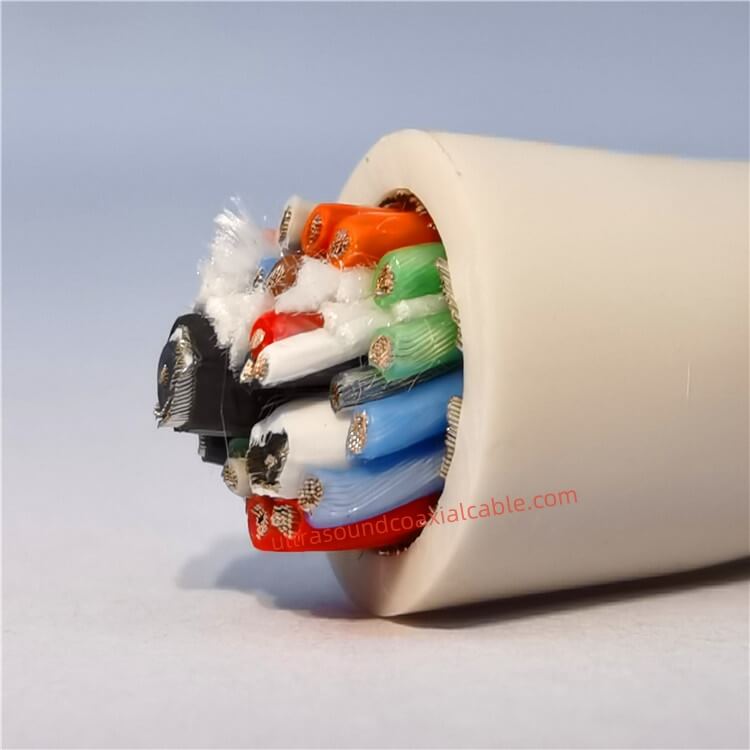
138-Core Medical Ultrasound Probe Coaxial Cable with 0.2mm Diameter – Biocompatible & FDA-Certified

138-Core Medical Ultrasound Probe Coaxial Cable with 0.2mm Diameter – Biocompatible & FDA-Certified

High-Precision 138-Core Medical Ultrasound Coaxial Cables | 0.2mm Ultra-Fine Biocompatible Design for Diagnostic Imaging Product Overview Engineered for advanced medical imaging systems, our 138-Core Medical Ultrasound Probe Coa.

High-Precision Ultrasound Coaxial Cable for Medical Imaging – Low Noise, Flexible Design, 42AWG

High-Precision Ultrasound Coaxial Cable for Medical Imaging – Low Noise, Flexible Design, 42AWG

Ultra-Flexible 42AWG Medical-Grade Coaxial Cables for High-Precision Ultrasound Imaging Designed for demanding medical imaging applications, our Ultra-Flexible 42AWG Coaxial Cables deliver exceptional signal integrity, noise reduction,.
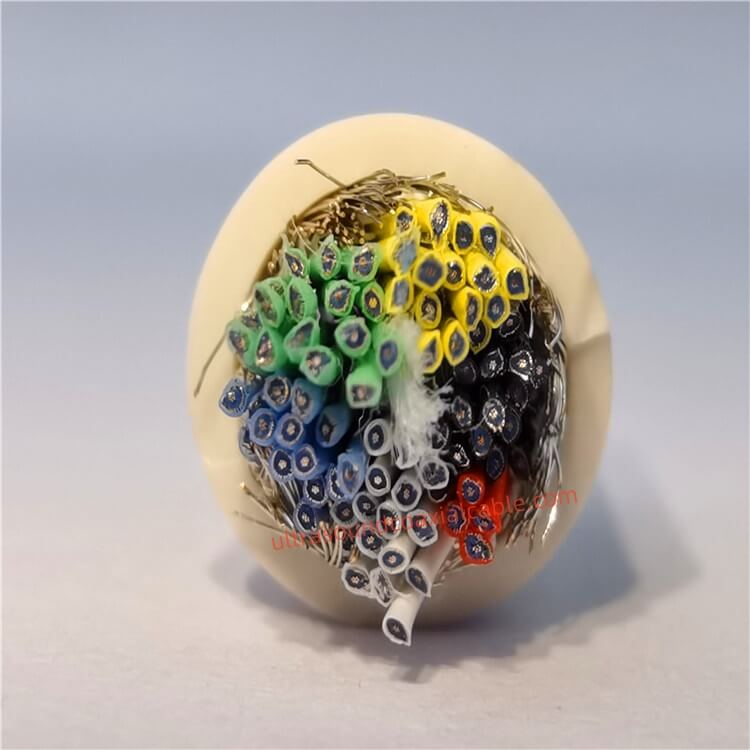
Ultrasound Coaxial Cable|High-Performance Signal Transmission for Precision Applications

Ultrasound Coaxial Cable|High-Performance Signal Transmission for Precision Applications

‌‌Product Overview‌The ‌Ultrasound Coaxial Cable‌ is a specialized cable engineered to deliver ultra-low signal loss, exceptional shielding, and unmatched durability in critical environments. Designed for medical imaging, industrial testi.
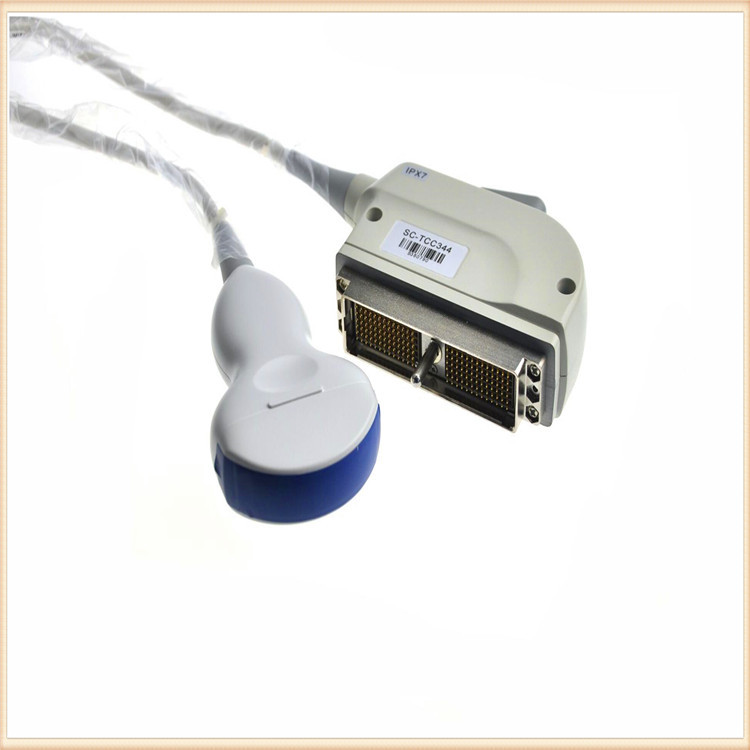
Military-Grade Ultrasound Coaxial Cable – High-Temperature Resistance, 100daN Compression Strength

Military-Grade Ultrasound Coaxial Cable – High-Temperature Resistance, 100daN Compression Strength

High-Performance Military Ultrasound Coaxial Cables: Built for Extreme Conditions Designed to meet the demanding requirements of military, aerospace, and medical applications, our Military-Grade Ultrasound Coaxial Cables deliver except.

Contact Us

Feel free to reach out to us for any inquiries or orders.

Call Us

Have a question? Give us a call!

                   +8618818785005(Whatsapp)

Email Us

Send us an email and we'll get back to you soon.

sales@custom-cable-assemblies.com
       
Home Products Contact