In medical diagnostics and industrial testing, the clarity of an ultrasound image can mean the difference between an accurate diagnosis… - Professional Ultrasound Coaxial Cable Solutions
Learn more about, latest news, frequently asked questions
In medical diagnostics and industrial testing, the clarity of an ultrasound image can mean the difference between an accurate diagnosis and a missed finding. At the heart of this clarity lies a critical component: the ultrasound coaxial cable. These specialized cables transmit high-frequency signals from the transducer to the imaging system, and when they perform poorly, signal noise can severely degrade image quality. Understanding the sources of this noise is essential for selecting cables that ensure reliability and precision.
Ultrasound coaxial cables are not standard connectors; they are engineered to transmit high-frequency signals with minimal loss and interference. In medical imaging, these cables must maintain signal integrity under demanding conditions, including repeated flexing, sterilization cycles, and proximity to other electronic equipment. The global market for these cables is projected to reach approximately $850 million by 2033, reflecting their growing importance in diagnostics and other high-stakes industries . Unlike standard coaxial cables, medical-grade versions are designed to preserve the integrity of delicate signals, which is why compliance with international standards is not just a regulatory hurdle but a fundamental requirement for performance.
Electromagnetic interference is a prevalent cause of signal noise. Ultrasast coaxial cables operate in environments saturated with electromagnetic energy from sources like power lines, wireless communication devices, and other medical equipment. When cable shielding is inadequate, this external energy can induce noise in the signal path. For instance, medical facilities often house equipment such as large X-ray machines, CT scanners, and high-frequency electrosurgical units, all of which can emit significant EMI. If a cable’s shielding is compromised—perhaps due to insufficient coverage or damaged materials—the high-frequency signals traveling through the cable can be corrupted, leading to image artifacts like snow, streaks, or ghosting in ultrasound images .
Superior shielding configurations are paramount. FRS cables, for example, incorporate dual-layer shielding (combining spiral and braid designs) that provides up to 90% coverage, offering EMI attenuation exceeding 90 dB at frequencies above 100 MHz. This level of protection is crucial in maintaining a clean signal in electromagnetically noisy clinical environments .
The physical integrity of a coaxial cable directly impacts its electrical performance. Cables in daily use are subject to bending, twisting, and crushing. A bend beyond a ninety-degree angle can break the delicate inner conductor or shield, disrupting the precise impedance balance and causing signal reflections and power loss . Similarly, tears or cuts in the cable’s outer jacket compromise the insulation, allowing signals to “leak out” and external noise to enter.
In medical applications, probes are manipulated constantly during examinations. A cable that cannot withstand this mechanical stress will degrade quickly. Medical-grade ultrasound coaxial cables from reputable manufacturers like FRS are designed to endure rigorous use, with some models validated to withstand over 10,000 flex cycles without signal degradation. This durability is a key factor in reducing noise introduced by physical damage .
The connections at each end of the cable are potential weak points. A connector that is not securely fastened can create an intermittent connection, leading to signal dropout and noise. Furthermore, if the central metal pin within the connector is bent or oxidized, it can cause impedance mismatches. In high-frequency applications like ultrasound, the characteristic impedance (typically 50 ohms) must be maintained consistently throughout the entire signal path. Any discontinuity causes a portion of the signal to be reflected toward the source. These reflections create standing waves, which manifest as noise and can obscure critical details in the ultrasound signal .
FRS cables feature precision connectors, often with gold plating to resist oxidation, ensuring a stable, low-resistance connection that minimizes this risk.
Proper grounding is essential for preventing noise. Inconsistent or high-impedance grounding can create ground loops, where potential differences between ground points induce low-frequency hum or other interference in the signal . This is why international standards like the IEC 60601 series place such emphasis on electrical safety and grounding schemes for medical equipment.
The materials used in the cable’s construction also play a vital role. Lower-grade conductors or dielectric materials can lead to higher signal attenuation (loss) and capacitance, which distorts the signal, especially over longer cable runs. FRS utilizes advanced materials such as silver-plated copper conductors for optimal high-frequency performance and fluoropolymer insulation (like PFA/PTFE) to maintain stable dielectric properties, ensuring minimal signal loss (<0.15 dB/m at 1 GHz) and consistent impedance (50Ω ± 2Ω) .
Adherence to international standards is a direct pathway to mitigating signal noise. Cables that comply with standards such as ISO 13485 (Quality Management), IEC 60601 (Electrical Safety and EMC), and ISO 10993 (Biocompatibility) are engineered to a higher level of reliability. For instance, compliance with the IEC 60601 series ensures that cables demonstrate electromagnetic compatibility, meaning they are less likely to emit interference and are more resilient to interference from other devices .
This commitment to quality extends beyond mere functionality. Using compliant ultrasound coaxial cables from a brand like FRS, which builds and documents adherence to these standards, helps medical device manufacturers accelerate their own regulatory approval processes (e.g., 510(k) submissions), bringing quieter, more reliable products to market faster .
The need for low-noise ultrasound coaxial cables spans multiple industries:
In each scenario, the choice of a high-performance coaxial cable is a direct investment in data accuracy and operational reliability. FRS cables are engineered to meet the unique challenges of these diverse applications, providing the signal integrity necessary for critical decisions.
Noise in an ultrasound coaxial cable signal is a solvable problem. It stems from identifiable factors like electromagnetic interference, physical damage, poor connections, and non-compliant manufacturing. By choosing medical-grade cables that prioritize superior shielding, durable construction, precise impedance control, and adherence to international standards, you can effectively eliminate noise at its source.
FRS designs its ultrasound coaxial cables with these principles at the core, integrating advanced materials and precision engineering to deliver the signal clarity your equipment demands. When diagnostic outcomes or test results depend on flawless signal transmission, the integrity of your coaxial cable is not a component to compromise.
Discover our most popular furniture pieces that are loved by customers worldwide.
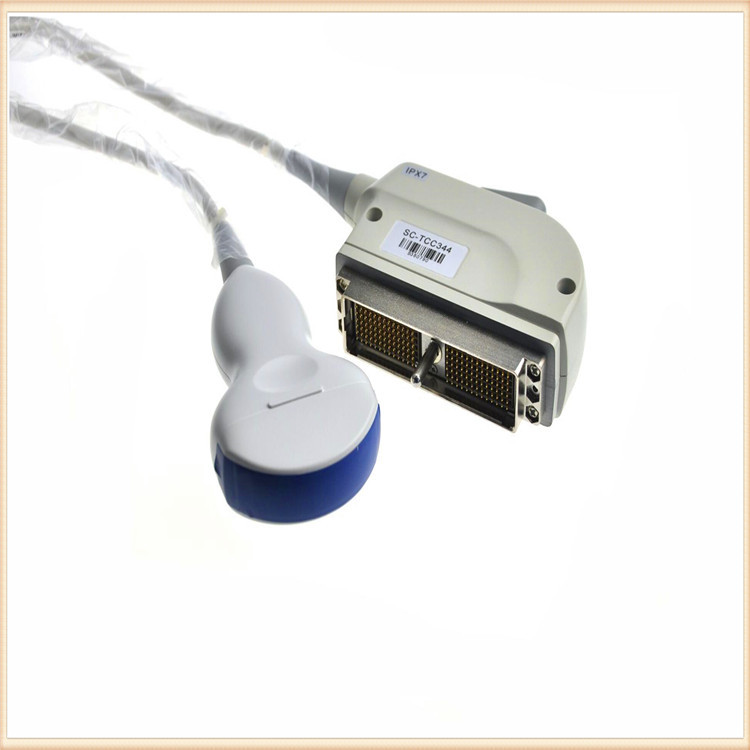
High-Performance Military Ultrasound Coaxial Cables: Built for Extreme Conditions Designed to meet the demanding requirements of military, aerospace, and medical applications, our Military-Grade Ultrasound Coaxial Cables deliver except.
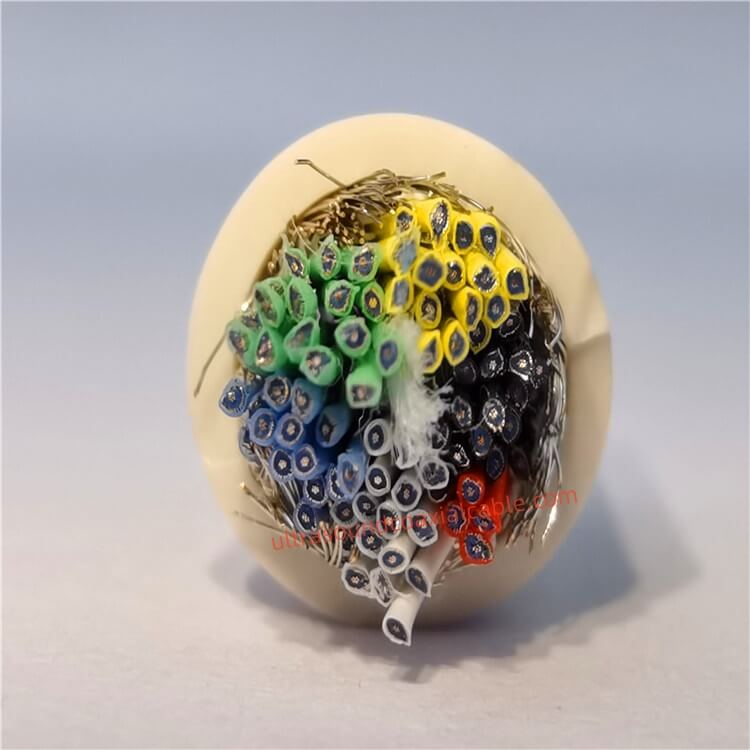
Product OverviewThe Ultrasound Coaxial Cable is a specialized cable engineered to deliver ultra-low signal loss, exceptional shielding, and unmatched durability in critical environments. Designed for medical imaging, industrial testi.

High-Performance Flexible Coaxial Cable for Medical Imaging & Ultrasound Systems Designed for demanding applications in medical imaging, industrial diagnostics, and high-frequency signal transmission, this ultra-flexible coaxial ca.

Ultra-Flexible 42AWG Medical-Grade Coaxial Cables for High-Precision Ultrasound Imaging Designed for demanding medical imaging applications, our Ultra-Flexible 42AWG Coaxial Cables deliver exceptional signal integrity, noise reduction,.
Feel free to reach out to us for any inquiries or orders.