In the demanding environments of medical imaging, the performance of an ultrasound coaxial cable is critical to diagnostic accuracy and… - Professional Ultrasound Coaxial Cable Solutions
Learn more about, latest news, frequently asked questions
In the demanding environments of medical imaging, the performance of an ultrasound coaxial cable is critical to diagnostic accuracy and operational efficiency. These cables, which house over 200 micro-coaxial wires as thin as 44-42 AWG, are engineering marvels designed for precise signal transmission . However, one of the most common issues faced by healthcare facilities is the gradual loss of flexibility in these essential components. This rigidity not complicates daily operations but also signals underlying wear that can compromise image quality and equipment longevity. Understanding why this occurs is the first step toward implementing effective solutions that protect your investment and maintain imaging excellence.
To understand why flexibility degrades, it’s helpful to know how these specialized cables are constructed. A typical ultrasound coaxial cable consists of multiple microscopic coaxial wires—often 130-200 individual strands—each containing a central conductor, insulation, and shielding . These delicate wires are bundled together within a single outer jacket that provides protection and flexibility. The conductors are often silver-plated copper alloy to optimize electrical performance, while the shielding is designed to prevent external electromagnetic interference from distorting critical diagnostic signals .
What makes these cables particularly ingenious is their design balance: they must be flexible enough to allow sonographers to manipulate the probe freely during examinations, yet durable enough to withstand the constant bending, twisting, and mechanical stress inherent to clinical use. This balance is achieved through careful material selection and engineering, but even the best-designed cables eventually succumb to the effects of repeated use.
Several factors contribute to the progressive stiffening of ultrasound coaxial cables, each relating to either material science or operational patterns.
The outer jacket of a coaxial cable, typically made from materials like PVC or PTFE, undergoes constant stress during clinical use . Each time a cable is bent, especially near the probe connection point (where bending is most concentrated), the materials experience microscopic structural changes. Over time, these repeated stresses cause the polymers in the jacket to lose their elastic properties, leading to cracking and hardening . This degradation is often accelerated by improper cleaning chemicals—alcohol-based disinfectants, for instance, can cause cable jackets to harden and become brittle .
Inside the cable, the numerous micro-coaxial wires are not stranded together in most ultrasound probes due to performance requirements . This design choice makes them more vulnerable to individual damage. With repeated flexing, these tiny wires can develop micro-fractures in their shielding or conductors. As more wires become damaged, the cable gradually loses flexibility and may begin to exhibit imaging artifacts such as dropout lines or dark patches on the ultrasound display .
Medical environments subject equipment to various chemical exposures. The disinfectants used to clean probes between patients can gradually break down the cable jacket materials if they’re not specifically formulated for ultrasound cable compatibility . Additionally, temperature fluctuations in clinical settings contribute to material expansion and contraction, further accelerating the degradation process. The cable’s internal components respond differently to these changes, creating internal stress points that reduce overall flexibility.
The consequences of a stiffening ultrasound coaxial cable extend beyond mere inconvenience—they directly impact clinical effectiveness.
As cables lose flexibility, internal damage often manifests as signal transmission problems. This can result in image artifacts including lines, dark patches, or complete image dropout on the ultrasound display . These artifacts stem from broken wires within the cable that no longer properly transmit signals to and from the transducer elements. Since accurate diagnosis depends on clear imaging, such compromises can potentially affect patient care.
Cable stiffness directly impacts sonographer comfort and performance. When cables become rigid, they create drag forces that alter the probe’s orientation during use . This requires sonographers to exert additional compensatory force to maintain proper probe positioning, leading to muscle fatigue and increasing the risk of work-related musculoskeletal disorders (WRMSDs) . Studies indicate that 80-90% of sonographers experience work-related pain, with cable-induced strain being a significant contributing factor.
A stiff cable often indicates advanced internal damage that will likely worsen. What begins as reduced flexibility can progress to complete cable failure, requiring expensive repairs or probe replacement . Since ultrasound probes represent a substantial investment for healthcare facilities—with the global ultrasound coaxial cable market projected to reach $90.05 billion by 2032—preventing premature failure through proper cable management is economically prudent .
While some cable stiffness is inevitable over time, these strategies can significantly extend functional cable life and maintain flexibility.
At FRS, we engineer our ultrasound coaxial cables to withstand the rigors of clinical environments through innovative materials science and structural design. Our cables feature advanced jacket compounds that resist hardening from disinfectants and mechanical stress. The internal wiring employs a patented layering technique that distributes flexing stress more evenly across the entire cable length, preventing concentrated wear at specific points .
For facilities experiencing repeated cable failures, our FRS DuraFlex series incorporates military-grade shielding materials originally developed for demanding defense applications, where flexibility and signal integrity are equally crucial . This cross-industry innovation translates to medical cables that maintain their operational characteristics through more use cycles, reducing replacement frequency and total cost of ownership.
Despite best maintenance practices, all ultrasound coaxial cables eventually require attention. These signs indicate that professional intervention is needed:
Rather than continuing to use compromised equipment, consult with FRS technical specialists about repair or replacement options. Our diagnostic services can determine whether a specific cable can be restored to optimal performance or should be replaced to prevent imaging inaccuracies.
The gradual stiffening of your ultrasound coaxial cable is more than an inconvenience—it’s a warning sign of material fatigue and internal damage that can affect both image quality and operator comfort. By understanding the underlying causes and implementing proactive maintenance strategies, healthcare facilities can extend the functional life of their equipment significantly. With FRS engineered solutions designed specifically to address these common failure points, medical institutions can maintain imaging excellence while optimizing their long-term equipment investment.
Discover our most popular furniture pieces that are loved by customers worldwide.

Ultra-Flexible 42AWG Medical-Grade Coaxial Cables for High-Precision Ultrasound Imaging Designed for demanding medical imaging applications, our Ultra-Flexible 42AWG Coaxial Cables deliver exceptional signal integrity, noise reduction,.
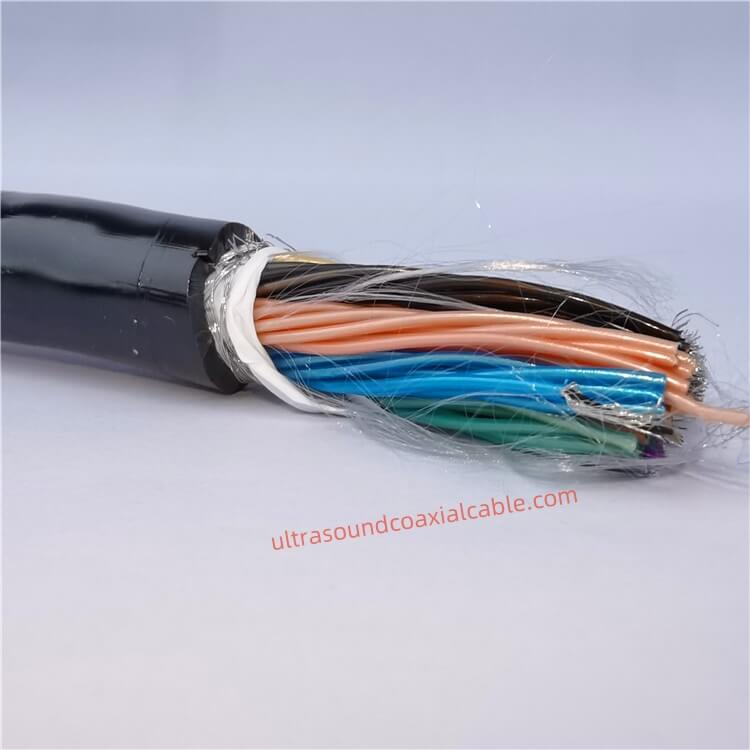
High-Performance Ultrasound Coaxial Cable Assembly: 42AWG to 30AWG, 6.6mm OD, 18GHz Bandwidth Engineered for precision in medical imaging and industrial applications, this customizable coaxial cable assembly delivers exceptional signal.
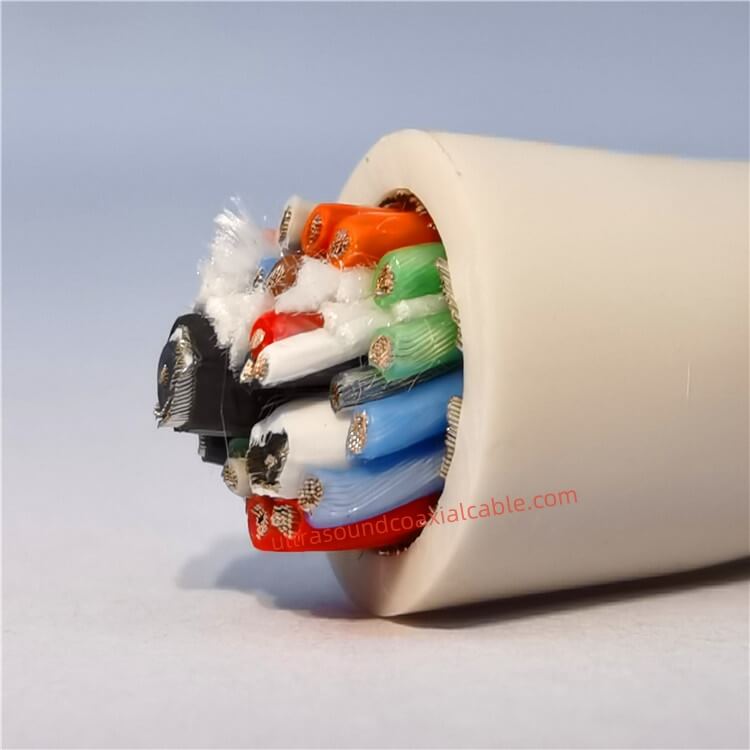
High-Precision 138-Core Medical Ultrasound Coaxial Cables | 0.2mm Ultra-Fine Biocompatible Design for Diagnostic Imaging Product Overview Engineered for advanced medical imaging systems, our 138-Core Medical Ultrasound Probe Coa.
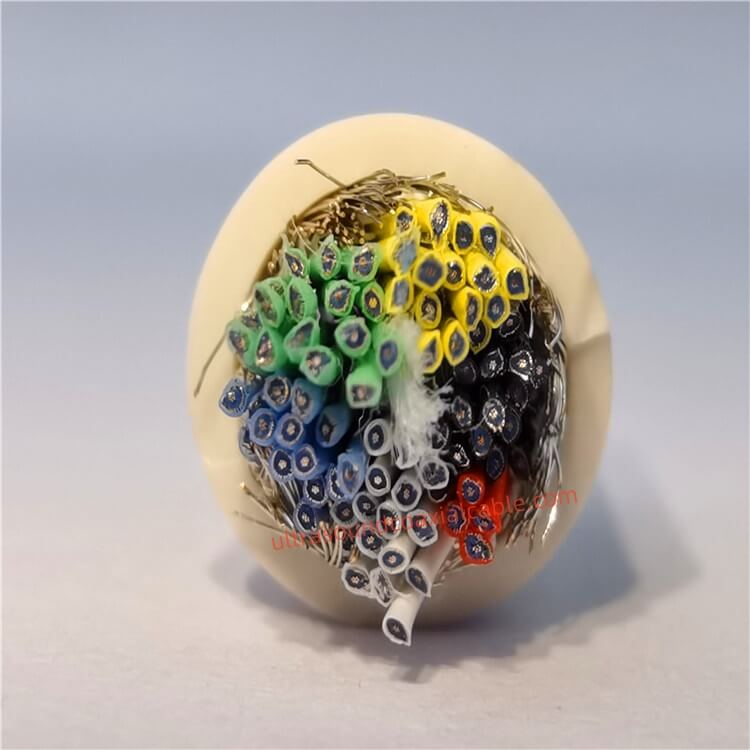
Product OverviewThe Ultrasound Coaxial Cable is a specialized cable engineered to deliver ultra-low signal loss, exceptional shielding, and unmatched durability in critical environments. Designed for medical imaging, industrial testi.
Feel free to reach out to us for any inquiries or orders.