Ultrasound Coaxial Cable Connectors: A Comprehensive Guide to Types and Applications When it comes to ultrasound imaging systems, the quality… - Professional Ultrasound Coaxial Cable Solutions
Learn more about, latest news, frequently asked questions
Ultrasound Coaxial Cable Connectors: A Comprehensive Guide to Types and Applications
When it comes to ultrasound imaging systems, the quality of coaxial cables and their connectors plays a pivotal role in ensuring accurate diagnostics. These cables transmit high-frequency signals from ultrasound probes to imaging devices, and the connectors used must maintain signal integrity, durability, and compatibility with medical equipment. Below, we explore the types of connectors available for ultrasound coaxial cables, their features, and why they matter in clinical and diagnostic settings.
Ultrasound systems rely on micro-coaxial cables to handle high-resolution imaging, and their connectors must match this precision. Micro-coaxial connectors are designed for miniature cables, often featuring a diameter of less than 2 mm. These connectors ensure minimal signal loss and electromagnetic interference (EMI), which is critical for maintaining the clarity of ultrasound images.
For example, the COMFORT EX Ultrasound Micro Coax Cable uses a combination of high-grade copper and silver conductors to reduce noise and heat generation during imaging. Its connectors are engineered to fit seamlessly with ultrasound probes and imaging devices, providing stable performance even in high-stress medical environments.
SMA connectors are widely used in medical devices due to their screw-type coupling mechanism, which ensures a secure connection. These connectors are ideal for high-frequency applications, such as ultrasound systems operating in the 1–18 GHz range. Their compact size and robust shielding make them suitable for portable ultrasound machines and handheld probes.
Key advantages include:
BNC connectors are popular in medical imaging for their quick-connect bayonet mount. While traditionally used in video and RF applications, they’re also employed in ultrasound systems where rapid setup is essential. For instance, in older ultrasound models or hybrid systems, BNC connectors provide a reliable interface for coaxial cables.
However, BNC connectors are less common in modern high-frequency ultrasound devices due to their larger size compared to micro-coaxial alternatives. They remain relevant in setups requiring compatibility with legacy equipment.
F-type connectors, known for their screw-on design, are often used in cable television and broadband systems. In medical applications, they’re adapted for ultrasound cables requiring secure, low-loss connections. These connectors are particularly useful in fixed installations, such as hospital ultrasound suites, where stability is prioritized over portability.
Features include:
Medical-grade coaxial cables often require custom connectors to meet stringent sterilization and biocompatibility standards. For example, Smiths Interconnect offers disposable and reusable connectors designed for ultrasound probes, ensuring resistance to autoclaving, plasma sterilization, and chemical cleaning.
These connectors incorporate:
Some ultrasound applications, such as therapeutic or high-intensity focused ultrasound (HIFU), demand connectors capable of handling higher power levels. N-type and 7/16 DIN connectors are engineered for these scenarios, offering robust shielding and low attenuation even under high electrical loads.
For instance, JB Series connectors (e.g., JB1200, JB2000) support power levels up to 95 kW at 13.56 MHz, making them suitable for cutting-edge medical devices requiring both precision and power.
Advancements in materials science are driving the development of connectors with higher shielding efficiency (e.g., >100 dB) and miniaturization for next-generation portable ultrasound devices. Innovations like fiber-optic hybrid connectors may also bridge the gap between analog and digital signal transmission, enhancing diagnostic accuracy.
In Simple Terms
Picking the right connector for an ultrasound coaxial cable isn’t just about plugging in a wire—it’s about ensuring doctors get clear, reliable images to make accurate diagnoses. From micro-coaxial designs for tiny probes to heavy-duty connectors for high-power systems, each type has its role in modern healthcare. As technology evolves, these connectors will keep getting smarter, smaller, and more reliable, helping medical teams save lives with every scan.
Discover our most popular furniture pieces that are loved by customers worldwide.
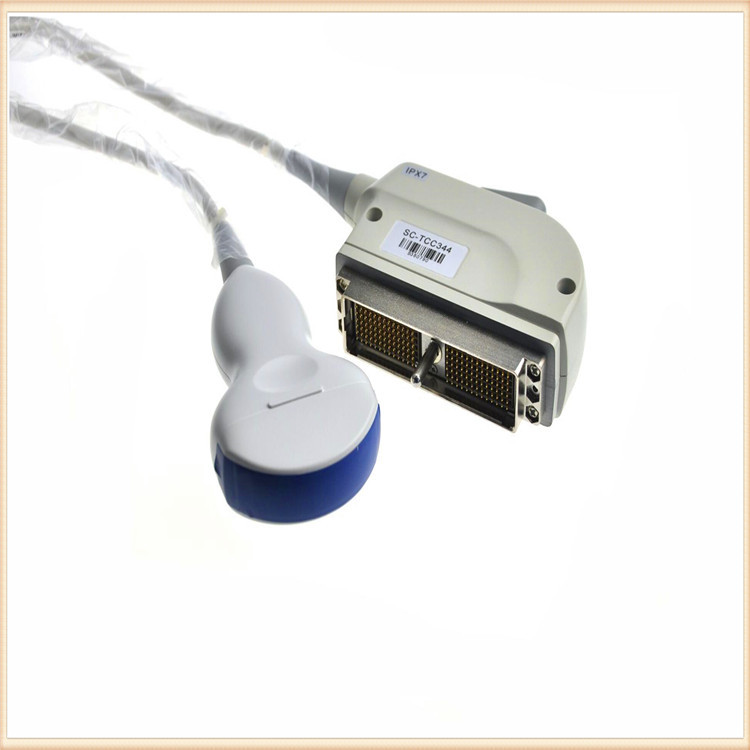
High-Performance Military Ultrasound Coaxial Cables: Built for Extreme Conditions Designed to meet the demanding requirements of military, aerospace, and medical applications, our Military-Grade Ultrasound Coaxial Cables deliver except.
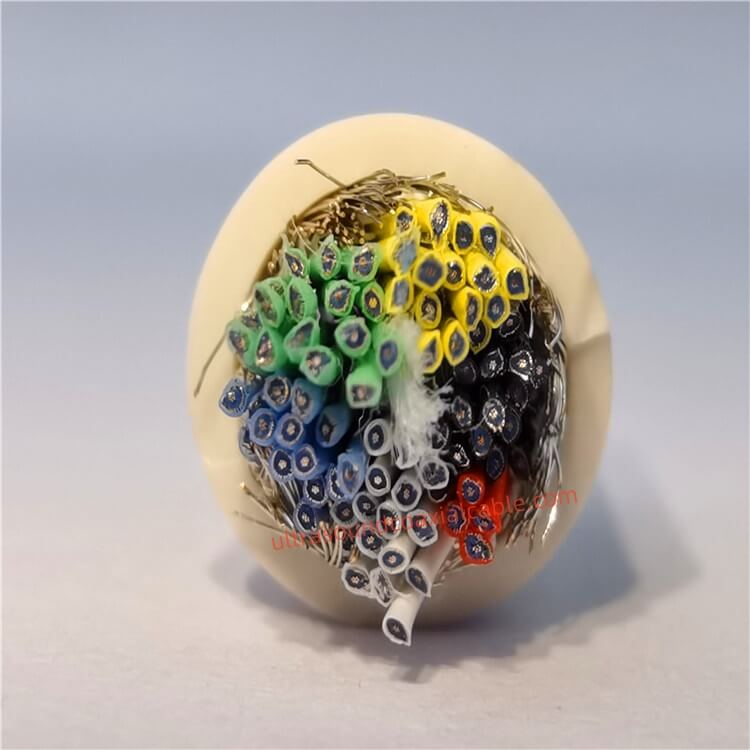
Product OverviewThe Ultrasound Coaxial Cable is a specialized cable engineered to deliver ultra-low signal loss, exceptional shielding, and unmatched durability in critical environments. Designed for medical imaging, industrial testi.

Ultra-Flexible 42AWG Medical-Grade Coaxial Cables for High-Precision Ultrasound Imaging Designed for demanding medical imaging applications, our Ultra-Flexible 42AWG Coaxial Cables deliver exceptional signal integrity, noise reduction,.

High-Performance Flexible Coaxial Cable for Medical Imaging & Ultrasound Systems Designed for demanding applications in medical imaging, industrial diagnostics, and high-frequency signal transmission, this ultra-flexible coaxial ca.
Feel free to reach out to us for any inquiries or orders.