What industries benefit most from ultrasound coaxial cables? | High-Quality Ultrasound Coaxial Cable | ultrasound coaxial cable Manufacturer & Factory-FRS

What industries benefit most from ultrasound coaxial cables?

Critical Applications of Ultrasound Coaxial Cables in Modern Industries​ Ultrasound coaxial cables have become indispensable in a wide range of… - Professional Ultrasound Coaxial Cable Solutions

Information

Learn more about, latest news, frequently asked questions

Critical Applications of Ultrasound Coaxial Cables in Modern Industries

Ultrasound coaxial cables have become indispensable in a wide range of industries, offering unparalleled signal transmission precision and durability. These cables are engineered to handle high-frequency signals while resisting interference, making them ideal for applications demanding accuracy and reliability. Below, we explore the industries that benefit most from this technology, along with their specific use cases and technological advancements.


1. Healthcare and Medical Imaging

The healthcare sector remains the largest consumer of ultrasound coaxial cables, particularly in ​diagnostic imaging​ and ​surgical systems.

  • Ultrasound Probes: Medical ultrasound devices rely on ultra-soft, biocompatible coaxial cables to transmit high-frequency signals (up to 40 GHz) for real-time imaging. These cables must meet stringent safety standards, such as ISO 10993 for biocompatibility, and withstand repeated sterilization processes like autoclaving or ethylene oxide treatment .
  • Endoscopic Systems: Miniaturized coaxial cables (as thin as 0.2 mm) enable flexible, high-definition imaging in minimally invasive procedures. Their low dielectric strength and direct PCB welding capabilities reduce bulk, critical for maneuvering in tight anatomical spaces .
  • Wearable Health Monitors: Emerging wearable devices use coaxial cables to transmit biosensor data without compromising patient comfort. Their shielding properties ensure immunity to electromagnetic interference (EMI) from external sources like MRI machines .

Key Advancements:

  • Flexible Hybrid Cables: Combine power and signal lines in a single sheath, reducing connection points and improving reliability in robotic surgery systems.
  • High-Density Connectors: Support 192+ micro-coaxial lines per probe, enabling 4K/8K imaging resolution in modern ultrasound devices .

2. Industrial Non-Destructive Testing (NDT)​

Ultrasound coaxial cables are pivotal in ​quality control​ and ​materials science, where precision is non-negotiable.

  • Crack Detection: In aerospace and automotive manufacturing, high-frequency coaxial cables (10–20 MHz) transmit ultrasonic waves to detect microscopic flaws in metals or composites. For example, aerospace components like turbine blades undergo continuous testing using cables rated for -55°C to +180°C operation .
  • Thickness Measurement: Pipelines and storage tanks in oil and gas industries use coaxial cables to monitor corrosion-induced thickness loss. Cables with <0.5 dB/m attenuation ensure accuracy over long distances .
  • Material Analysis: Research labs employ coaxial cables in ultrasonic spectroscopy to study elasticity and density of novel materials like graphene-reinforced polymers .

Key Advancements:

  • Lightweight Aluminum Cables: Reduce weight by 30% compared to copper alternatives, critical for drone-based industrial inspections .
  • High-Temperature Insulation: Fluoropolymers like PTFE enable cables to withstand harsh environments without signal degradation.

3. Telecommunications and 5G Infrastructure

The rollout of ​5G networks​ and ​satellite communications​ has driven demand for coaxial cables capable of handling ultra-high frequencies.

  • 5G Base Stations: Millimeter-wave (24–40 GHz) coaxial cables ensure low-loss signal transmission between antennas and baseband units. Their shielding properties minimize interference in densely populated urban areas .
  • Fiber-Optic Backhaul: Coaxial cables bridge gaps between fiber nodes and user equipment, maintaining signal integrity in environments with high EMI, such as power substations .
  • Satellite Communication: Low-noise coaxial cables are used in ground stations to receive high-frequency signals from satellites, critical for weather forecasting and global internet services .

Key Advancements:

  • RG-6 Coaxial Variants: Optimized for high-bandwidth applications, these cables support 4K/8K streaming and IoT ecosystems .
  • Modular Connectors: Allow rapid deployment and reconfiguration in 5G microcell networks.

4. Defense and Military Applications

Military systems prioritize reliability under extreme conditions, making coaxial cables essential for:

  • Radar Systems: High-frequency coaxial cables (up to 60 GHz) transmit signals in phased-array radars used for missile guidance and surveillance. Shielding effectiveness exceeds 60 dB to counter jamming .
  • Underwater Communication: Sonar systems in submarines rely on waterproof, pressure-resistant coaxial cables to operate at depths exceeding 300 meters.
  • Drone Navigation: Lightweight cables power real-time imaging and LiDAR systems in autonomous drones for reconnaissance missions .

Key Advancements:

  • Armored Cables: Kevlar-reinforced jackets protect against abrasion and ballistic threats.
  • Broadband Flexibility: Support multi-gigabit data rates for next-gen battlefield networks.

5. Automotive and Transportation

The shift toward ​autonomous vehicles​ and ​smart infrastructure​ has amplified coaxial cable usage:

  • In-Vehicle Networks: Ethernet-over-coax systems enable high-speed data transfer between cameras, LiDAR, and control units. Shielded cables mitigate interference from electric motors .
  • EV Battery Monitoring: Ultrasonic sensors embedded in battery packs use coaxial cables to detect thermal anomalies, preventing thermal runaway .
  • Traffic Management: Smart traffic lights and vehicle-to-infrastructure (V2I) systems rely on coaxial cables for low-latency signal transmission.

Key Advancements:

  • Flexible PCB Integration: Cables directly soldered to PCBs reduce wiring harness complexity in electric vehicles.
  • EMI Shielding: Achieves 100 dB isolation in environments with high-voltage systems.

6. Environmental and Scientific Research

Beyond traditional sectors, coaxial cables support cutting-edge scientific endeavors:

  • Seismic Monitoring: Underground cables detect minute vibrations to predict earthquakes or monitor volcanic activity.
  • Oceanography: Submersible drones use waterproof coaxial cables to map ocean floors and study marine biodiversity .
  • Space Exploration: NASA’s Mars rovers employ coaxial cables in their scientific payloads to analyze soil composition.

Conclusion

Ultrasound coaxial cables are the unsung heroes of modern technology, enabling breakthroughs in healthcare diagnostics, industrial quality assurance, 5G connectivity, defense systems, automotive innovation, and environmental science. Their ability to transmit high-frequency signals with precision—coupled with advancements in miniaturization, shielding, and durability—ensures they’ll remain central to industrial and scientific progress for decades. Whether it’s saving lives through clearer medical imaging or enabling faster 5G networks, these cables are the backbone of our interconnected world.

Hot Selling Products

Discover our most popular furniture pieces that are loved by customers worldwide.

Ultra-Flexible Coaxial Cable for Ultrasound Transducers – 44AWG, 0.15dB/m Attenuation at 1GHz

Ultra-Flexible Coaxial Cable for Ultrasound Transducers – 44AWG, 0.15dB/m Attenuation at 1GHz

High-Performance Flexible Coaxial Cable for Medical Imaging & Ultrasound Systems Designed for demanding applications in medical imaging, industrial diagnostics, and high-frequency signal transmission, this ultra-flexible coaxial ca.
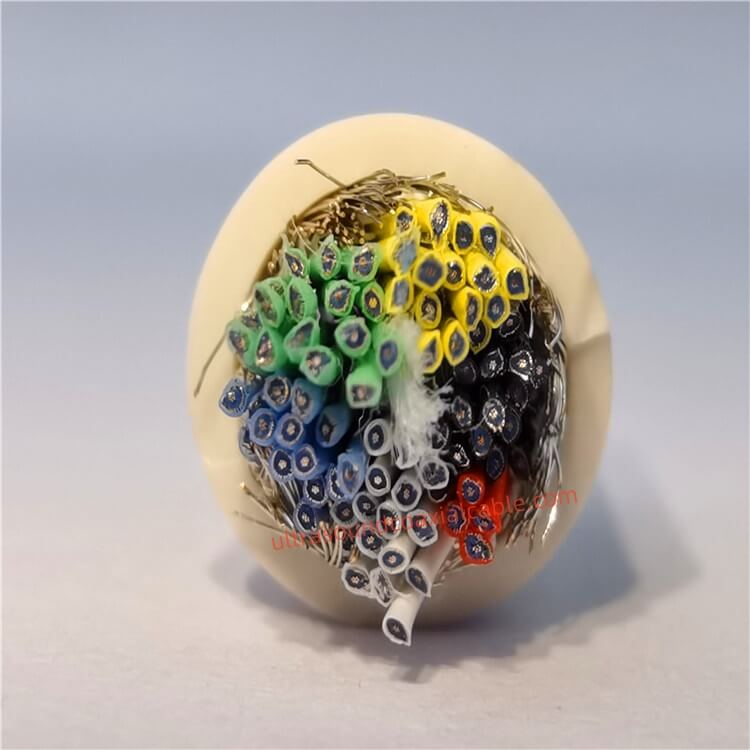
Ultrasound Coaxial Cable|High-Performance Signal Transmission for Precision Applications

Ultrasound Coaxial Cable|High-Performance Signal Transmission for Precision Applications

‌‌Product Overview‌The ‌Ultrasound Coaxial Cable‌ is a specialized cable engineered to deliver ultra-low signal loss, exceptional shielding, and unmatched durability in critical environments. Designed for medical imaging, industrial testi.

High-Precision Ultrasound Coaxial Cable for Medical Imaging – Low Noise, Flexible Design, 42AWG

High-Precision Ultrasound Coaxial Cable for Medical Imaging – Low Noise, Flexible Design, 42AWG

Ultra-Flexible 42AWG Medical-Grade Coaxial Cables for High-Precision Ultrasound Imaging Designed for demanding medical imaging applications, our Ultra-Flexible 42AWG Coaxial Cables deliver exceptional signal integrity, noise reduction,.
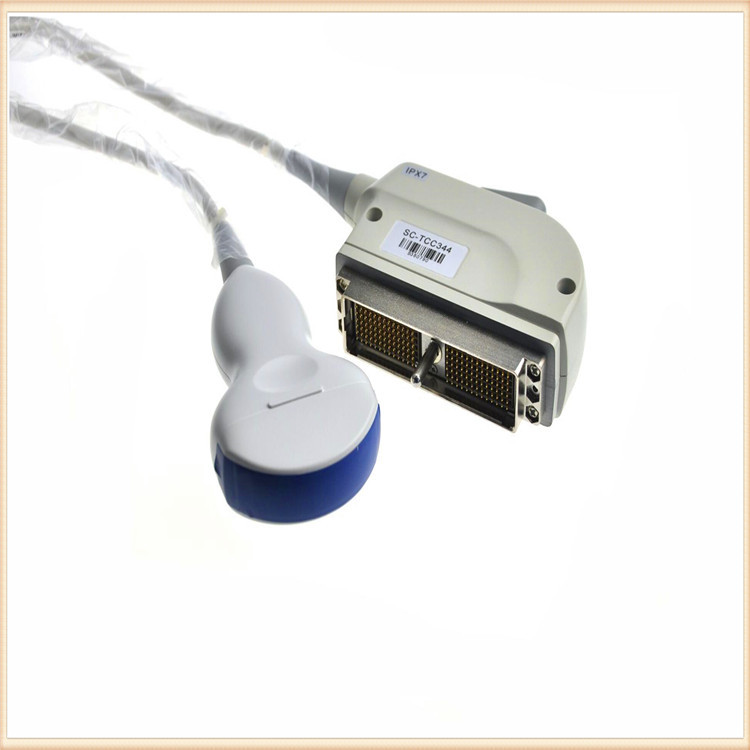
Military-Grade Ultrasound Coaxial Cable – High-Temperature Resistance, 100daN Compression Strength

Military-Grade Ultrasound Coaxial Cable – High-Temperature Resistance, 100daN Compression Strength

High-Performance Military Ultrasound Coaxial Cables: Built for Extreme Conditions Designed to meet the demanding requirements of military, aerospace, and medical applications, our Military-Grade Ultrasound Coaxial Cables deliver except.

Contact Us

Feel free to reach out to us for any inquiries or orders.

Call Us

Have a question? Give us a call!

                   +8618818785005(Whatsapp)

Email Us

Send us an email and we'll get back to you soon.

sales@custom-cable-assemblies.com
       
Home Products Contact