What factors affect the performance of an ultrasound coaxial cable? | High-Quality Ultrasound Coaxial Cable | ultrasound coaxial cable Manufacturer & Factory-FRS

What factors affect the performance of an ultrasound coaxial cable?

Optimizing Ultrasound Coaxial Cables: Key Factors for Peak Performance​ Ultrasound coaxial cables are critical components in medical imaging, industrial diagnostics,… - Professional Ultrasound Coaxial Cable Solutions

Information

Learn more about, latest news, frequently asked questions

Optimizing Ultrasound Coaxial Cables: Key Factors for Peak Performance

Ultrasound coaxial cables are critical components in medical imaging, industrial diagnostics, and high-frequency communication systems. Their performance directly impacts signal accuracy, resolution, and durability. Whether you’re designing portable ultrasound devices or maintaining industrial inspection systems, understanding the factors that influence these cables is essential. Below, we break down the key elements that determine the quality and functionality of ultrasound coaxial cables, along with insights on how premium brands like ​FRS​ address these challenges.


1. ​Material Selection: The Foundation of Performance

The materials used in coaxial cables dictate their electrical, thermal, and mechanical properties. For ultrasound applications, where precision and reliability are paramount, material choices must align with the demands of high-frequency signal transmission.

  • Dielectric Insulation:
    The dielectric material (e.g., polyethylene, PTFE, or foam polyethylene) separates the inner and outer conductors. Its dielectric constant (εr) and loss tangent (tan δ) directly affect signal attenuation and phase stability. For example, PTFE offers low dielectric loss and operates effectively at high frequencies, making it ideal for ultrasound systems requiring minimal signal distortion .
  • Conductor Quality:
    High-purity copper or silver-plated conductors minimize resistive losses. Thinner conductors reduce skin effect (where current concentrates near the conductor’s surface at high frequencies), improving efficiency. Brands like FRS prioritize ​oxygen-free copper​ to ensure consistent conductivity and reduce oxidation over time .
  • Shielding Materials:
    Braided copper or foil shields protect against electromagnetic interference (EMI), which can degrade signal clarity in electrically noisy environments. FRS employs ​dual-shielded designs​ (foil + braid) to achieve 95% shielding effectiveness, ensuring reliable performance in MRI rooms or industrial settings .

2. ​Cable Geometry: Balancing Flexibility and Structural Integrity

The physical construction of coaxial cables impacts their durability and electrical characteristics.

  • Inner Conductor Diameter:
    Smaller diameters reduce signal attenuation but increase mechanical fragility. Ultrasound cables often use ​micro-coaxial designs​ (e.g., 0.2 mm outer diameter) for flexibility in endoscopic or portable devices while maintaining impedance stability (typically 50–75 Ω) .
  • Insulation Thickness:
    Thicker insulation minimizes capacitance between conductors, reducing signal distortion. However, excessive thickness can hinder flexibility. Advanced extrusion techniques allow FRS to achieve ultra-thin, uniform insulation layers without compromising durability .
  • Connector Design:
    Connectors must ensure low-resistance contact and impedance matching. FRS uses ​nickel-plated brass contacts​ and precision-machined housings to prevent signal leakage and maintain 50 Ω impedance continuity, even under repeated mating cycles .

3. ​Frequency Response: Tailoring for High-Frequency Applications

Ultrasound systems often operate in the MHz range, where cable properties like capacitance and impedance become critical.

  • Capacitance Control:
    Capacitance between conductors increases with higher frequencies, causing signal phase shifts. FRS addresses this by optimizing dielectric materials and conductor spacing, ensuring capacitance remains stable across a broad frequency range (e.g., 1–20 MHz) .
  • Skin Effect Mitigation:
    At high frequencies, current flows near the conductor’s surface. FRS uses ​high-frequency-grade copper​ with a smooth surface finish to reduce AC resistance and maintain signal integrity .
  • Phase Stability:
    Temperature fluctuations can alter the dielectric constant, leading to phase errors. FRS employs ​foam polyethylene dielectrics​ with low thermal expansion coefficients, ensuring phase consistency in extreme conditions (-55°C to +180°C) .

4. ​Environmental Durability: Surviving Harsh Conditions

Ultrasound cables are often exposed to moisture, chemicals, and physical stress. Robust construction is vital.

  • Waterproofing:
    Gel-filled or UV-resistant jackets (e.g., FRS’s ​PVDF-coated cables) repel liquids and resist degradation in humid or outdoor environments.
  • Mechanical Flexibility:
    Braided shielding and semi-rigid copper outer conductors enable cables to withstand bending without cracking. FRS’s ​lightweight aluminum-shielded cables​ reduce weight by 30% while maintaining flexibility for portable devices .
  • Chemical Resistance:
    Medical-grade cables require resistance to sanitizers and antiseptics. FRS uses ​halogen-free materials​ to comply with healthcare safety standards.

5. ​Signal Integrity: Minimizing Losses and Noise

Attenuation and noise pickup can compromise ultrasound image quality.

  • Attenuation Reduction:
    High-frequency signals experience greater loss. FRS minimizes this through ​low-loss dielectrics​ (e.g., FEP foam) and optimized conductor geometry, achieving attenuation rates as low as 0.15 dB/m at 1 GHz .
  • EMI Shielding:
    Triple-layer shielding (foil + braid + drain wire) blocks external interference, critical in MRI or RF-dense environments.
  • Termination Quality:
    Poorly terminated cables introduce reflections. FRS uses ​precision crimping​ and ​strain-relief boots​ to ensure stable connections.

Why Choose FRS for Ultrasound Coaxial Cables?

FRS stands out in the market by combining cutting-edge materials, rigorous testing, and application-specific engineering. Their cables are engineered for:

  • Medical Imaging: Ultra-flexible, biocompatible designs for endoscopic and portable devices.
  • Industrial Inspection: High-temperature resistance and abrasion-proof jackets for harsh environments.
  • Phase Stability: Foam dielectrics and shielding to maintain accuracy in radar and aerospace systems.

By addressing every factor—from material purity to shielding effectiveness—FRS delivers cables that outperform competitors in both standard and niche applications. Whether you’re upgrading legacy systems or developing next-gen ultrasound technology, FRS provides the reliability your project demands.


Final Thoughts
Ultrasound coaxial cables are the unsung heroes of precision imaging and communication. Their performance hinges on meticulous material selection, robust construction, and advanced shielding technologies. Brands like FRS exemplify how innovation in cable design can solve real-world challenges, ensuring clearer signals, longer service life, and greater system efficiency. When choosing cables for your application, prioritize manufacturers who invest in R&D and adhere to stringent quality standards—your equipment’s performance depends on it.

Hot Selling Products

Discover our most popular furniture pieces that are loved by customers worldwide.

High-Precision Ultrasound Coaxial Cable for Medical Imaging – Low Noise, Flexible Design, 42AWG

High-Precision Ultrasound Coaxial Cable for Medical Imaging – Low Noise, Flexible Design, 42AWG

Ultra-Flexible 42AWG Medical-Grade Coaxial Cables for High-Precision Ultrasound Imaging Designed for demanding medical imaging applications, our Ultra-Flexible 42AWG Coaxial Cables deliver exceptional signal integrity, noise reduction,.
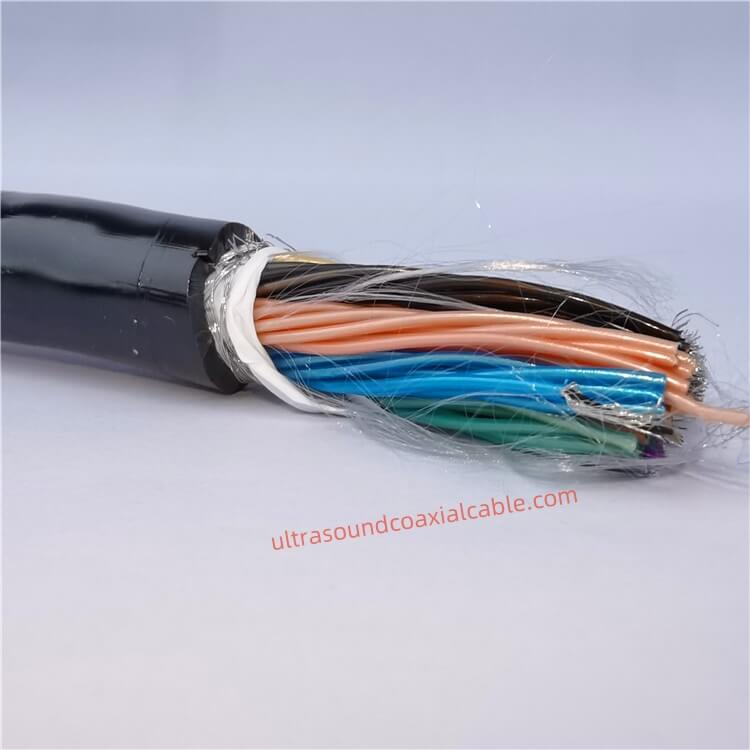
Customizable Ultrasound Coaxial Cable Assembly – 42AWG to 30AWG, 6.6mm OD, 18GHz Bandwidth

Customizable Ultrasound Coaxial Cable Assembly – 42AWG to 30AWG, 6.6mm OD, 18GHz Bandwidth

High-Performance Ultrasound Coaxial Cable Assembly: 42AWG to 30AWG, 6.6mm OD, 18GHz Bandwidth Engineered for precision in medical imaging and industrial applications, this customizable coaxial cable assembly delivers exceptional signal.
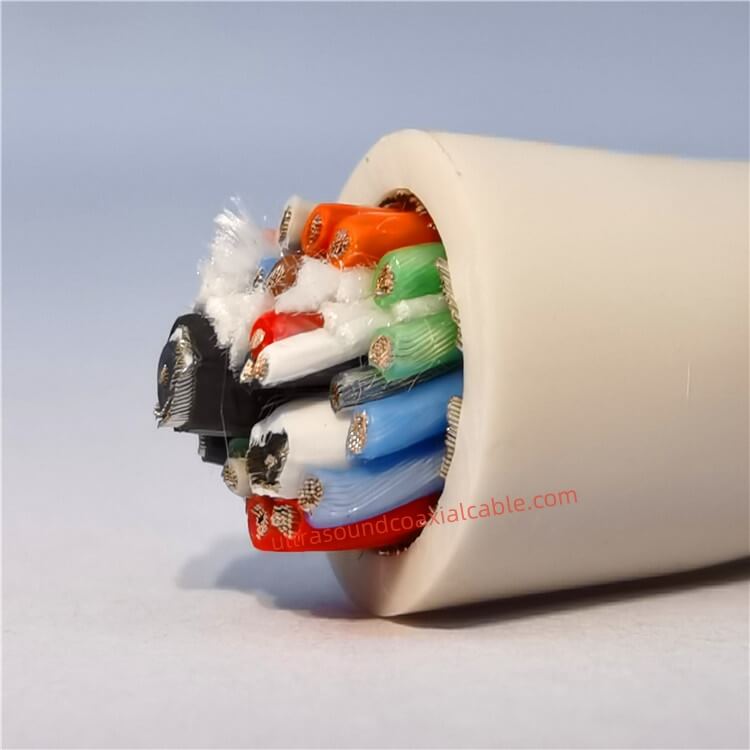
138-Core Medical Ultrasound Probe Coaxial Cable with 0.2mm Diameter – Biocompatible & FDA-Certified

138-Core Medical Ultrasound Probe Coaxial Cable with 0.2mm Diameter – Biocompatible & FDA-Certified

High-Precision 138-Core Medical Ultrasound Coaxial Cables | 0.2mm Ultra-Fine Biocompatible Design for Diagnostic Imaging Product Overview Engineered for advanced medical imaging systems, our 138-Core Medical Ultrasound Probe Coa.
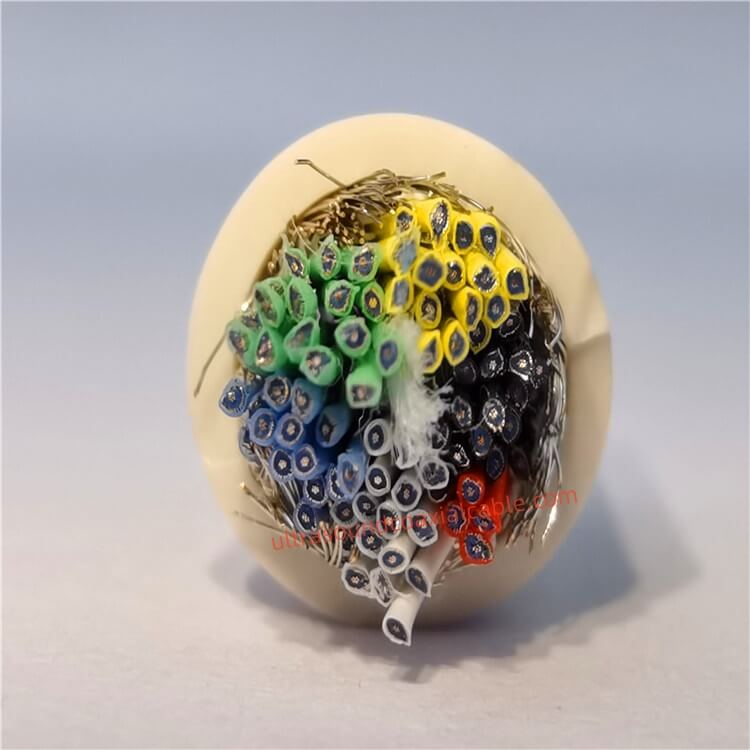
Ultrasound Coaxial Cable|High-Performance Signal Transmission for Precision Applications

Ultrasound Coaxial Cable|High-Performance Signal Transmission for Precision Applications

‌‌Product Overview‌The ‌Ultrasound Coaxial Cable‌ is a specialized cable engineered to deliver ultra-low signal loss, exceptional shielding, and unmatched durability in critical environments. Designed for medical imaging, industrial testi.

Contact Us

Feel free to reach out to us for any inquiries or orders.

Call Us

Have a question? Give us a call!

                   +8618818785005(Whatsapp)

Email Us

Send us an email and we'll get back to you soon.

sales@custom-cable-assemblies.com
       
Home Products Contact