Electrical Safety Standards in Medical Ultrasound Coaxial Cables: A Comprehensive Guide Medical ultrasound technology plays a critical role in modern… - Professional Ultrasound Coaxial Cable Solutions
Learn more about, latest news, frequently asked questions
Electrical Safety Standards in Medical Ultrasound Coaxial Cables: A Comprehensive Guide
Medical ultrasound technology plays a critical role in modern diagnostics, with coaxial cables serving as the vital link between ultrasound probes and imaging systems. These specialized components must meet rigorous electrical safety standards to ensure patient safety and diagnostic accuracy. This article explores the key standards, technologies, and considerations governing ultrasound coaxial cable safety in medical applications.
Patient safety is paramount in medical device design, and ultrasound coaxial cables present unique challenges as they may come into direct or indirect contact with patients. Electrical safety standards address risks including electric shock, electromagnetic interference, and thermal hazards. The global ultrasound equipment market, projected to grow at a CAGR of 5.8% from 2023 to 2030, intensifies the importance of standardized safety measures across medical facilities .
Medical cables must maintain signal integrity while preventing electrical leakage that could harm patients or disrupt nearby medical equipment. For instance, CF-type application parts mandate patient leakage current not exceeding 0.5mA under normal conditions . FRS ultrasound coaxial cables incorporate multi-layer shielding and advanced insulation technologies to exceed these basic requirements, providing an extra margin of safety in critical care environments.
The IEC 60601 series represents the international standard for medical electrical equipment safety. This comprehensive framework specifies requirements for medical electrical equipment and systems, including cables used in medical applications . Key aspects include:
The FDA’s 510(k) clearance process incorporates similar requirements for the U.S. market, often taking 6-12 months and costing over $500,000 per product . FRS cables are pre-certified to streamline this process for medical device manufacturers.
FRS cables consistently meet these global standards, with documentation packages designed to simplify multi-market compliance for medical device OEMs.
Material choice directly impacts electrical safety and regulatory compliance. Ultrasound coaxial cables require:
FRS cables utilize platinum-cured silicone jackets and fluoropolymer insulation to exceed MDR requirements while maintaining signal integrity across 300,000+ flex cycles .
Medical ultrasound cables must withstand rigorous clinical use while maintaining electrical safety. Standards like ASTM F2945-20 specify that ultrasound cables must endure at least 10,000 flex cycles without signal degradation . FRS addresses this through:
The medical imaging industry accounts for over 60% of global ultrasound coaxial cable production . Safety requirements vary by application:
FRS offers application-specific solutions, including ultrathin designs for portable systems and reinforced constructions for surgical environments.
While medical applications dominate, industrial sectors show growing adoption:
Electromagnetic compatibility remains a critical safety concern in crowded medical environments. Next-generation FRS ultrasound coaxial cables incorporate:
Recent advancements focus on enhancing safety through material improvements:
FRS invests heavily in material R&D, with recent innovations focusing on recyclable cable components aligned with the EU’s Circular Economy Action Plan .
Medical ultrasound coaxial cables must undergo rigorous validation:
FRS implements in-house testing facilities that exceed standard requirements, including accelerated aging tests and real-world clinical simulations.
Regulations increasingly demand full lifecycle traceability. The FDA’s Unique Device Identification (UDI) system requires embedded markers for quick recalls and counterfeit detection . FRS employs blockchain-based tracking for end-to-end visibility from raw materials to clinical deployment.
The International Medical Device Regulators Forum (IMDRF) works toward global harmonization of safety standards, while regional requirements continue to evolve . Manufacturers must anticipate changes including:
Advanced ultrasound systems incorporating artificial intelligence and higher-frequency transducers will demand cables with improved signal integrity and safety margins. FRS development pipelines focus on low-capacitance designs (50-110pF) and impedance stability (±2 ohms) to support these next-generation applications .
Electrical safety standards for medical ultrasound coaxial cables represent a complex but essential framework ensuring patient wellbeing and diagnostic accuracy. As medical technology advances, these standards evolve to address emerging risks and incorporate new materials and designs. Manufacturers like FRS who prioritize safety compliance while innovating to meet clinical needs will lead the market in an era of increasing diagnostic demands and regulatory scrutiny.
The integration of safety from initial design through manufacturing and clinical use creates a foundation of trust for medical professionals and patients alike. As the global healthcare landscape evolves, ultrasound coaxial cables that balance stringent safety requirements with advanced performance characteristics will define the next generation of medical imaging excellence.
Discover our most popular furniture pieces that are loved by customers worldwide.
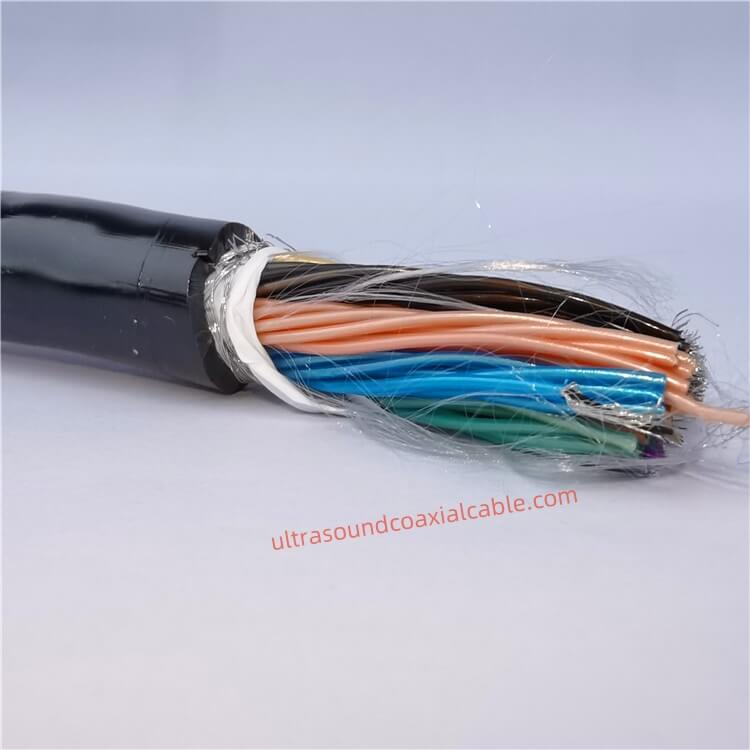
High-Performance Ultrasound Coaxial Cable Assembly: 42AWG to 30AWG, 6.6mm OD, 18GHz Bandwidth Engineered for precision in medical imaging and industrial applications, this customizable coaxial cable assembly delivers exceptional signal.

High-Performance Flexible Coaxial Cable for Medical Imaging & Ultrasound Systems Designed for demanding applications in medical imaging, industrial diagnostics, and high-frequency signal transmission, this ultra-flexible coaxial ca.
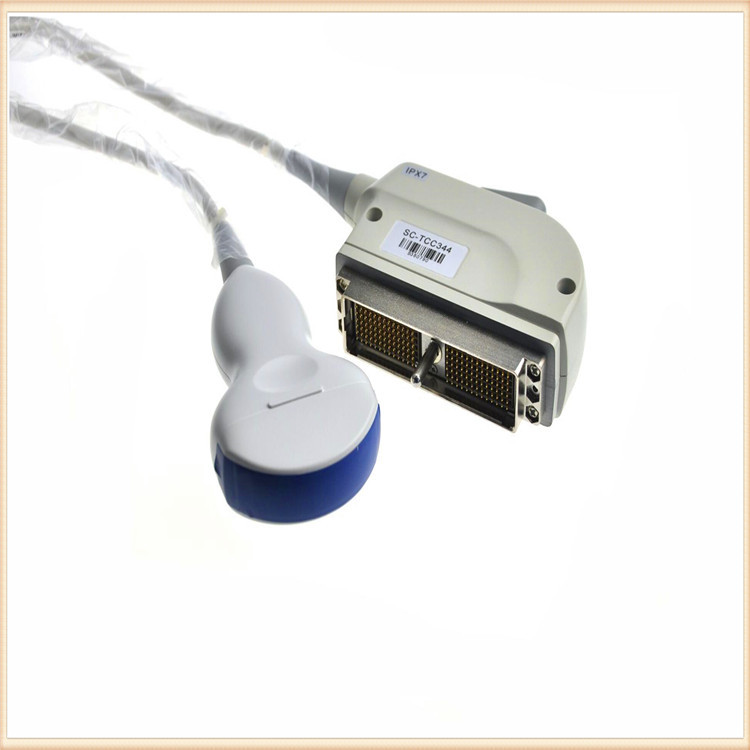
High-Performance Military Ultrasound Coaxial Cables: Built for Extreme Conditions Designed to meet the demanding requirements of military, aerospace, and medical applications, our Military-Grade Ultrasound Coaxial Cables deliver except.
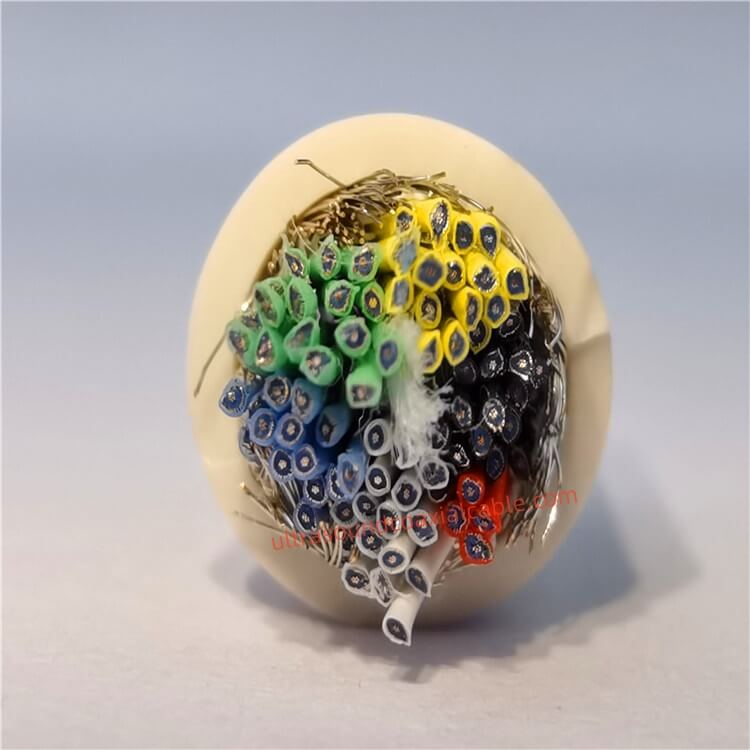
Product OverviewThe Ultrasound Coaxial Cable is a specialized cable engineered to deliver ultra-low signal loss, exceptional shielding, and unmatched durability in critical environments. Designed for medical imaging, industrial testi.
Feel free to reach out to us for any inquiries or orders.