The Hidden Risks of Substandard Ultrasound Coaxial Cables in Medical Diagnostics Why Medical-Grade Coaxial Cables Matter in Healthcare Imaging In… - Professional Ultrasound Coaxial Cable Solutions
Learn more about, latest news, frequently asked questions
The Hidden Risks of Substandard Ultrasound Coaxial Cables in Medical Diagnostics
In the precise world of medical diagnostics, ultrasound coaxial cables serve as the critical lifeline between patients and diagnostic accuracy. These specialized components transmit high-frequency signals that form the basis of ultrasound imaging, playing an indispensable role in patient care. When healthcare facilities compromise on cable quality, they inadvertently introduce significant risks that extend far beyond equipment performance to impact diagnostic confidence and patient safety directly .
The global market for ultrasound coaxial cables is projected to grow at a 6.8% CAGR through 2030, driven largely by medical imaging demands. Approximately 60% of global ultrasound coaxial cable production is allocated to medical devices, with portable ultrasound devices experiencing 12% annual growth between 2020-2023. This expansion makes quality considerations more critical than ever .
Electrical leakage represents one of the most insidious risks associated with substandard coaxial cables. This phenomenon occurs when electrical signals escape their intended path or when fluid intrudes into the probe’s interior. The consequences manifest as image artifacts, reduced sensitivity, and decreased resolution that can compromise diagnostic accuracy .
The fundamental issue stems from impedance mismatches and shielding deficiencies. Medical-grade coaxial cables maintain precise impedance stability (typically ±2 ohms across frequencies), while substandard alternatives exhibit variations that disrupt signal integrity. When electrical leakage interferes with ultrasound signal transmission and reception, it can lead to misinterpretation of findings and incorrect diagnoses, directly impacting patient care decisions .
Consider that a 2022 case study revealed how a Chinese startup’s cable failed biocompatibility tests due to suboptimal polymer coatings, resulting in FDA rejection. In another instance, Philips faced FDA citations after their CT Patient Interface Monitor data cable experienced connection failures, generating 64 customer complaints about ECG gating signal errors that could delay critical diagnostic procedures .
The diagnostic implications are profound. Distorted or incomplete images can obscure pathologies, from early-stage tumors to fetal abnormalities. With over 29% of Japan’s population aged 65+ requiring continuous cardiac and abdominal ultrasound monitoring, and Indonesia’s national health insurance covering ultrasound scans for 96 million beneficiaries, the scale of potential impact is enormous .
Substandard coaxial cables present tangible physical dangers. Electrical leakage can introduce unintended currents into patients’ bodies, creating shock hazards. Furthermore, fluid intrusion into damaged probes can pave the way for pathogen transmission, particularly concerning in procedures like transesophageal echocardiography (TEE) where probe contact is invasive .
The mechanical failures associated with inferior cables compound these risks. When cable insulation cracks due to inadequate materials, it creates entry points for contaminants. Premium manufacturers like FRS address this through advanced materials like platinum-cured silicone insulation, which replaces PVC to comply with MDR’s restricted substance list and reduce allergic reaction risks, albeit at 30% higher material costs .
Healthcare providers using non-compliant cables face serious regulatory consequences. The FDA’s Unique Device Identification system mandates traceability throughout a cable’s lifecycle, while EU Medical Device Regulation emphasizes biocompatibility testing for patient-contacting components. Failure to adhere to these standards can result in product recalls, which cost the medical device industry over $10 billion annually .
Legal exposure is equally significant. “In cases where known issues of electrical leakage impact diagnosis or treatment, healthcare providers and facilities may face legal repercussions,” notes an industry report. “Failure to adhere to regulatory standards, neglect of electrical leakage testing, or inadequate maintenance can result in lawsuits, damage to reputation, and financial liabilities” .
Medical coaxial cables endure substantial physical stress through daily use. Premium cables like those from FRS withstand over 300,000 cycles of continuous bending, pulling, and twisting in validation testing. By comparison, substandard alternatives frequently fail ASTM F2945-20 requirements, which mandate withstanding at least 10,000 flex cycles without signal degradation .
The mechanical shortcomings manifest in various ways. Cables with inferior shielding materials experience braid separation when subjected to repetitive motion, leading to intermittent connections. Those with subpar jacketing materials crack during autoclave sterilization cycles, compromising sterility. Such failures are particularly problematic in high-throughput environments like Indonesia’s insurance-covered healthcare system, where equipment utilization rates are extreme .
The hidden costs of cable failure extend beyond replacement expenses. Downtime for medical imaging equipment carries substantial financial implications, with a single ultrasound system generating thousands of dollars in daily revenue. The ripple effects of equipment failure can disrupt workflows, delay patient care, and necessitate costly emergency repairs .
Philips’ experience with the Incisive CT Patient Interface Monitor cable illustrates how seemingly minor component failures can escalate. The connection problems necessitated field corrections and threatened the company’s eligibility for federal contracts, demonstrating how cable quality impacts broader business operations .
Quality disparities begin at the material level. Medical-grade coaxial cables use silver-plated copper alloy conductors and fluoropolymer insulation to maintain signal integrity. These materials ensure impedance stability and minimize capacitance, which typically measures approximately 110 pF/m in premium cables .
Substandard alternatives often substitute inferior materials that compromise performance. For instance, some manufacturers use copper-clad aluminum instead of pure copper conductors to reduce costs, resulting in higher resistance (≥3,300 Ω/km compared to premium specifications). Others employ PVC insulation instead of medical-grade PFA or FEP, reducing flexibility and increasing signal attenuation .
Electromagnetic interference presents particular challenges in medical environments crowded with electronic equipment. Quality coaxial cables incorporate multiple shielding layers—typically a spiral shield with ≥90% coverage plus a braid shield with ≥85% coverage—to achieve 90 dB attenuation at frequencies above 100 MHz .
Substandard cables often feature insufficient shielding, sometimes just a single layer with coverage below 80%. This leaves ultrasound systems vulnerable to EMI from adjacent equipment, resulting in image noise and artifacts. The problem is especially acute in urban healthcare settings with dense wireless communications, where RF interference can distort diagnostic images .
Medical device manufacturers must comply with increasingly stringent global regulations. The FDA’s 510(k) clearance process for medical cables involves rigorous testing spanning 6-12 months and costing over $500,000. Similarly, the EU’s Medical Device Regulation demands compliance with ISO 10993-5 cytotoxicity tests, while RoHS and REACH regulations limit hazardous substances .
These requirements create significant barriers for substandard cable providers. Over 4,500 active patents cover coaxial cable designs for medical imaging, with 68% held by established manufacturers. New entrants often struggle with compliance, as seen when Amphenol sued three emerging competitors for infringing helical winding technique patents .
Reputable manufacturers subject their coaxial cables to independent verification against recognized standards. These include IEC 60601-1 for electrical safety, ANSI/TIA-568.4-E for broadband coaxial cabling, and IEC 61196 for communication cables. Certification bodies like UL, CSA Group, and VDE provide testing services to validate compliance .
The absence of proper certification should raise immediate concerns. As the FDA’s warning to Philips demonstrated, inadequate validation of manufacturing processes—such as injection molding for cable connectors—can lead to systemic failures. The company’s proposed corrective actions, including supplier requalification and distribution holds, proved insufficient without comprehensive process improvements .
FRS addresses these challenges through advanced material selection and manufacturing precision. Our coaxial cables feature fluoropolymer insulation with superior thermal resistance, maintaining performance across -40°C to 150°C operating ranges. The silver-plated copper alloy conductors ensure optimal signal transmission with minimal attenuation, even at the high frequencies (15-18 MHz) required for musculoskeletal imaging .
Our commitment to material excellence extends to biocompatibility. FRS cables exceed ISO 10993-5 requirements, utilizing materials that prevent cytotoxic reactions. The platinum-cured silicone insulation used in our premium lines demonstrates 20% higher flexibility compared to 2018 industry standards, addressing ergonomic needs in prolonged surgical procedures .
Every FRS coaxial cable undergoes rigorous performance testing. We validate structural return loss to ensure impedance uniformity across cable lengths, minimizing signal distortion. Our time-domain reflectometry testing identifies even minor imperfections in cable construction that could lead to field failures .
The results speak for themselves. FRS cables achieve impedance stability within ±2 ohms across operating frequencies, critical for high-resolution imaging systems. Our advanced shielding technologies provide 90%+ coverage against electromagnetic interference, ensuring image clarity in electromagnetically noisy hospital environments .
The selection of ultrasound coaxial cables represents more than a technical specification—it’s a commitment to diagnostic accuracy and patient safety. By understanding the risks associated with substandard cables and insisting on verified quality, healthcare providers protect their patients, their reputations, and their operational continuity.
As medical imaging evolves toward higher frequencies and greater resolution demands, the role of precision-engineered coaxial cables becomes increasingly critical. The industry’s progression toward matrix arrays with thousands of transducers will only amplify the importance of signal integrity that premium cables provide .
In an era where diagnostic precision directly impacts treatment outcomes, compromising on the components that enable that precision is a risk no healthcare provider can afford. The data clearly demonstrates that quality coaxial cables represent not an expense, but an essential investment in patient care excellence.
Discover our most popular furniture pieces that are loved by customers worldwide.
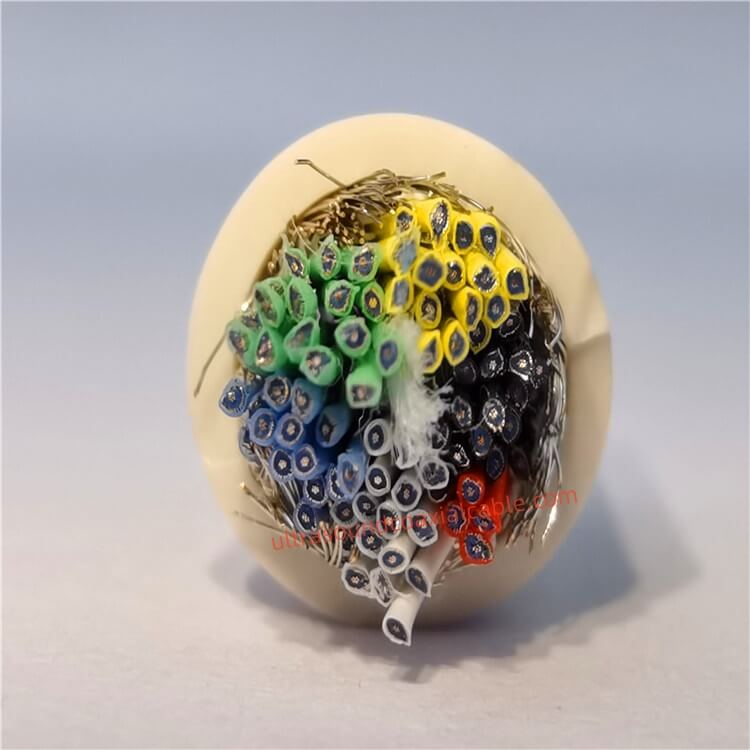
Product OverviewThe Ultrasound Coaxial Cable is a specialized cable engineered to deliver ultra-low signal loss, exceptional shielding, and unmatched durability in critical environments. Designed for medical imaging, industrial testi.
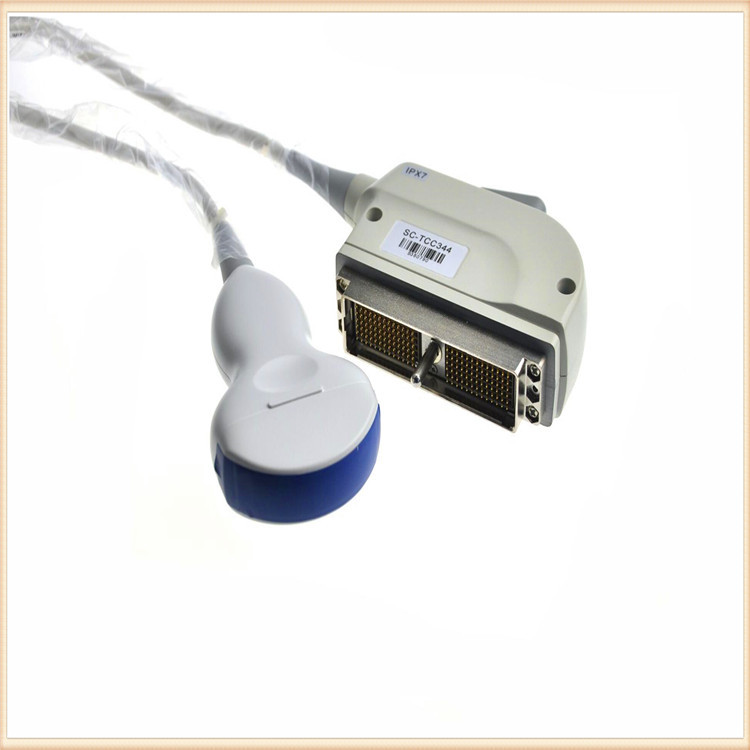
High-Performance Military Ultrasound Coaxial Cables: Built for Extreme Conditions Designed to meet the demanding requirements of military, aerospace, and medical applications, our Military-Grade Ultrasound Coaxial Cables deliver except.

High-Performance Flexible Coaxial Cable for Medical Imaging & Ultrasound Systems Designed for demanding applications in medical imaging, industrial diagnostics, and high-frequency signal transmission, this ultra-flexible coaxial ca.

Ultra-Flexible 42AWG Medical-Grade Coaxial Cables for High-Precision Ultrasound Imaging Designed for demanding medical imaging applications, our Ultra-Flexible 42AWG Coaxial Cables deliver exceptional signal integrity, noise reduction,.
Feel free to reach out to us for any inquiries or orders.