If you’ve noticed your ultrasound coaxial cable becoming stiff over time, you’re not alone. This common issue affects many medical… - Professional Ultrasound Coaxial Cable Solutions
Learn more about, latest news, frequently asked questions
If you’ve noticed your ultrasound coaxial cable becoming stiff over time, you’re not alone. This common issue affects many medical imaging professionals and can signal important changes in your equipment’s performance and safety. While some gradual stiffening is normal with aging equipment, significant changes in cable flexibility often indicate material degradation that can impact image quality and patient care.
Ultrasound coaxial cables are the critical link between transducers and imaging systems, transmitting high-frequency signals that form the basis of diagnostic images. These cables typically consist of a central conductor, dielectric insulation, shielding, and an outer jacket – each component carefully engineered to maintain signal integrity while withstanding the rigors of clinical use.
The flexibility of these cables directly impacts user ergonomics and scanning efficiency. Radiologists and sonographers often manipulate transducers for extended periods, requiring cables that drape smoothly without resistance. When cables become stiff, they can cause operator fatigue, reduce scanning precision, and potentially affect diagnostic accuracy during delicate procedures .
Several factors contribute to coaxial cable stiffening over time:
The plasticizers in cable jackets gradually evaporate or break down, particularly when exposed to repeated disinfection chemicals, heat, or mechanical stress. This process causes the cable jacket to become brittle and inflexible. Unlike standard coaxial cables, medical-grade versions should maintain flexibility despite frequent cleaning – when they fail to do so, it often indicates substandard materials or excessive chemical exposure.
Repeated bending, twisting, and pulling during clinical use can cause internal damage to the shielding and dielectric materials. This damage not only stiffens the cable but can also compromise signal integrity, leading to artifacts in ultrasound images that might be misinterpreted as pathological findings .
Exposure to extreme temperatures, UV light (from procedure room lighting), or ozone can accelerate the degradation of cable materials. Proper storage away from heat sources and direct sunlight can prolong cable flexibility.
When ultrasound coaxial cables stiffen and degrade, the consequences extend beyond mere inconvenience. Signal degradation can introduce artifacts and noise that interfere with accurate diagnosis. Research indicates that poor signal transmission can manifest as shadowing, reverberation, or stripe artifacts that may obscure pathologies or be mistaken for genuine findings .
In musculoskeletal imaging, where differentiating subtle tissue textures is critical, signal artifacts from compromised cables could potentially lead to misdiagnosis of tendon injuries, joint inflammation, or other soft tissue abnormalities . Similarly, in pediatric imaging, where advanced techniques like contrast-enhanced ultrasound provide crucial diagnostic information, signal integrity is paramount for detecting subtle perfusion patterns .
The COMFORT EX Ultrasound Micro Coax Cable addresses stiffness issues through innovative materials science. By incorporating a unique combination of high-grade copper and silver conductors, this cable maintains signal integrity while offering exceptional flexibility. The advanced jacket materials resist chemical degradation from disinfectants, preserving pliability through thousands of clinical uses .
Unlike conventional cables that stiffen prematurely, the COMFORT EX design features a specialized insulation system that reduces heat generation during signal transmission. This thermal management not only improves operator comfort but also extends cable lifespan by reducing material stress. The result is consistent flexibility that enhances scanning ergonomics while maintaining the signal quality needed for accurate diagnoses .
To maximize cable lifespan and performance:
When replacement becomes necessary, consider upgrading to modern micro coaxial designs that offer improved flexibility without sacrificing signal transmission quality. The investment in high-quality cables pays dividends through reduced operator fatigue, fewer imaging artifacts, and more reliable diagnostic information.
While some gradual stiffening of ultrasound coaxial cables is expected with age, significant changes warrant attention. The COMFORT EX Ultrasound Micro Coax Cable demonstrates how material innovation can overcome traditional limitations, providing maintained flexibility that enhances both operator experience and diagnostic confidence. By understanding the causes and implications of cable stiffness, healthcare facilities can make informed decisions that protect their imaging investments and maintain the highest standards of patient care.
Discover our most popular furniture pieces that are loved by customers worldwide.
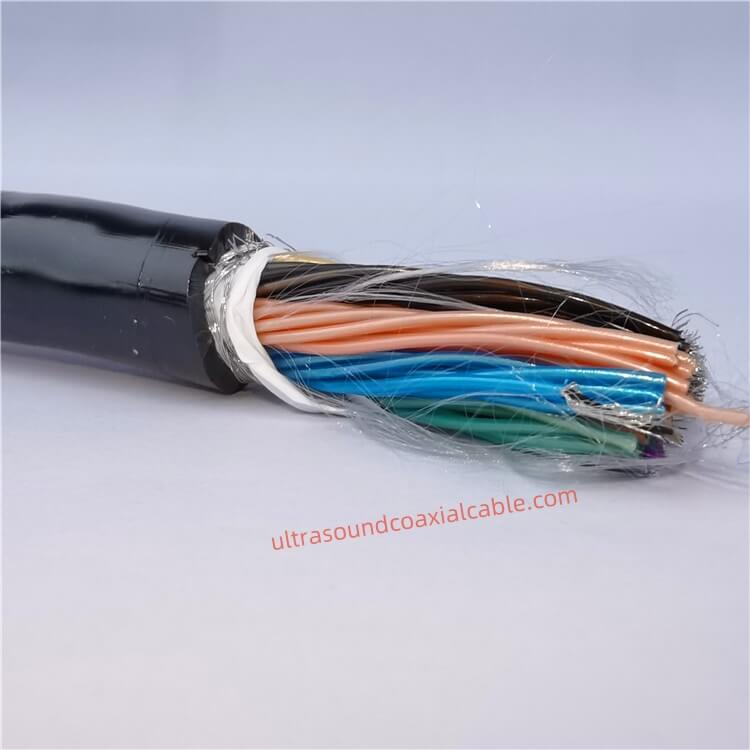
High-Performance Ultrasound Coaxial Cable Assembly: 42AWG to 30AWG, 6.6mm OD, 18GHz Bandwidth Engineered for precision in medical imaging and industrial applications, this customizable coaxial cable assembly delivers exceptional signal.
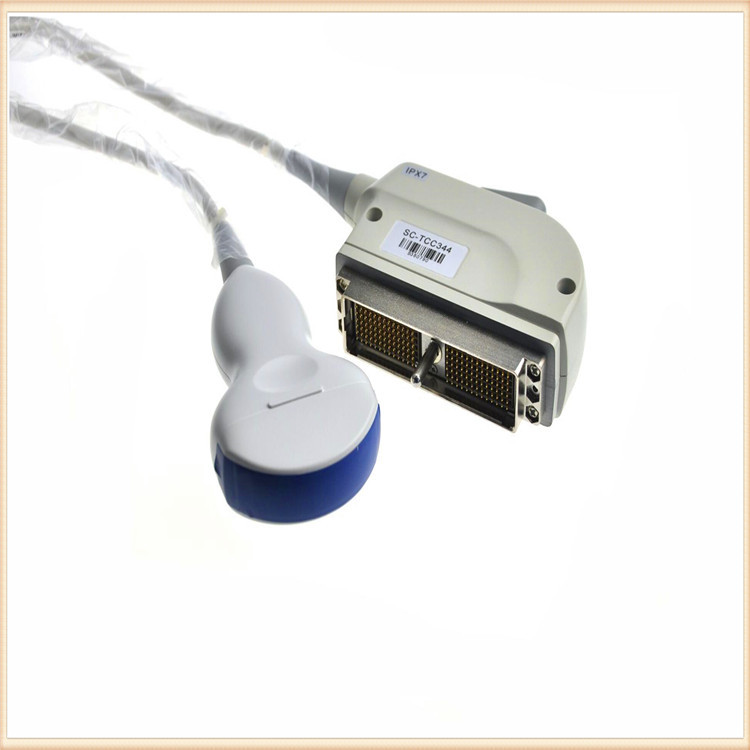
High-Performance Military Ultrasound Coaxial Cables: Built for Extreme Conditions Designed to meet the demanding requirements of military, aerospace, and medical applications, our Military-Grade Ultrasound Coaxial Cables deliver except.
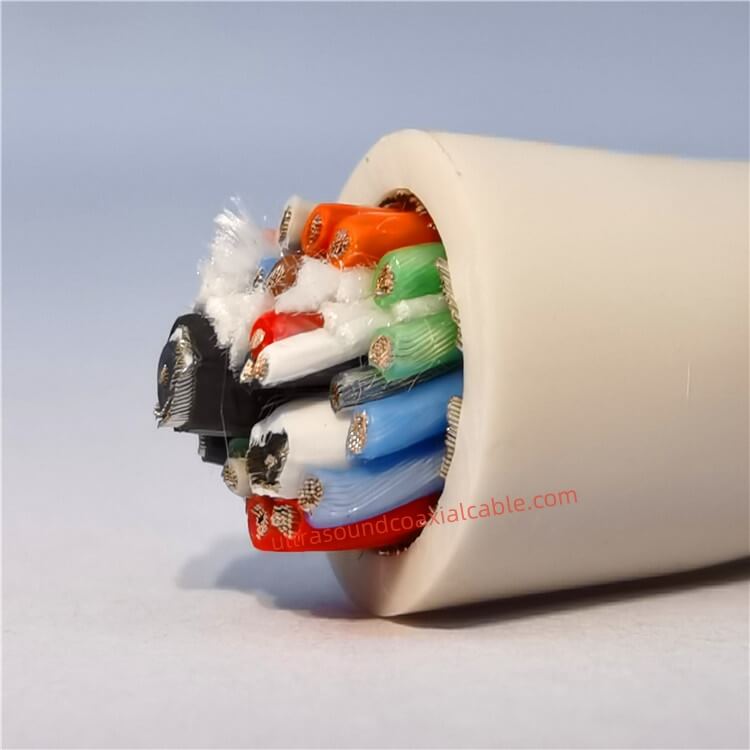
High-Precision 138-Core Medical Ultrasound Coaxial Cables | 0.2mm Ultra-Fine Biocompatible Design for Diagnostic Imaging Product Overview Engineered for advanced medical imaging systems, our 138-Core Medical Ultrasound Probe Coa.
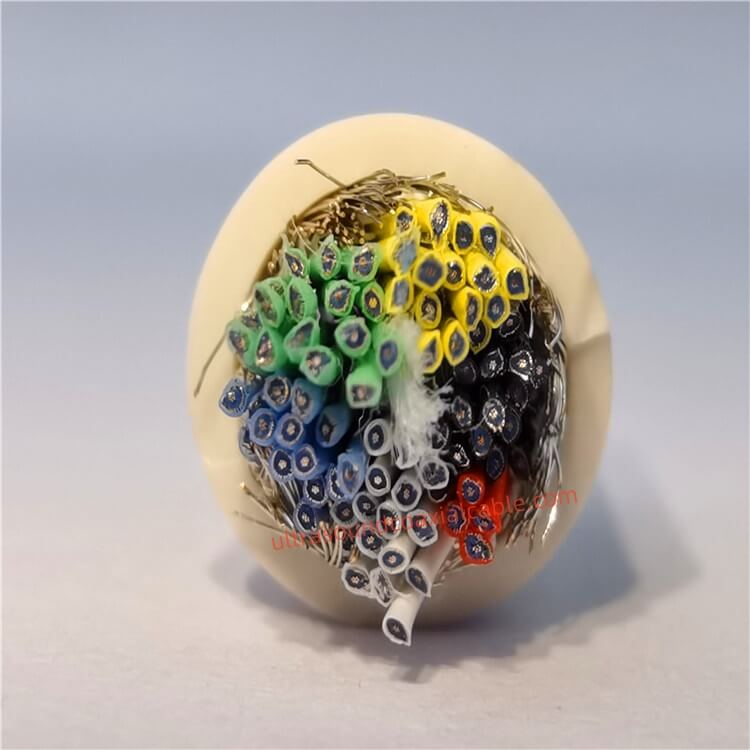
Product OverviewThe Ultrasound Coaxial Cable is a specialized cable engineered to deliver ultra-low signal loss, exceptional shielding, and unmatched durability in critical environments. Designed for medical imaging, industrial testi.
Feel free to reach out to us for any inquiries or orders.