Ultrasound coaxial cables serve as the critical link between transducers and imaging systems, transmitting high-frequency signals that form the basis… - Professional Ultrasound Coaxial Cable Solutions
Learn more about, latest news, frequently asked questions
Ultrasound coaxial cables serve as the critical link between transducers and imaging systems, transmitting high-frequency signals that form the basis of diagnostic decisions in medical imaging and industrial testing. When these cables fail, the results can range from minor image artifacts to complete system failure. This comprehensive guide explores proven troubleshooting methodologies that minimize downtime and maintain image fidelity.
Unlike standard coaxial cables, medical-grade ultrasound coaxial cables are specialized components engineered to transmit high-frequency signals with minimal loss and interference. These cables must maintain signal integrity under demanding conditions including repeated flexing, sterilization cycles, and proximity to other electronic equipment. The global ultrasound coaxial cable market, projected to reach approximately $76.18 billion by 2030, reflects the growing importance of these components across medical, industrial, and defense applications .
The construction of ultrasound coaxial cables follows a precise multi-layer approach. The inner conductor, typically made of copper or copper-clad steel, carries the electrical signal. This conductor is surrounded by a dielectric insulating layer that maintains the cable’s impedance (typically 50 ohms) and prevents signal leakage. A metallic shield encases the dielectric to protect against electromagnetic interference, while an outer jacket provides physical protection from environmental factors .
Symptoms:Fuzzy images, pixelation, reduced resolution, or ghosting in ultrasound images.
Troubleshooting Steps:
Underlying Causes:Signal degradation often results from minor shield damage, moisture ingress, or connector corrosion that may not be visibly apparent. FRS ultrasound coaxial cables incorporate advanced fluoropolymer insulators and silver-plated copper alloysthat maintain stable impedance characteristics, reducing image artifacts by up to 30% compared to standard cables .
Symptoms:Signal drops when the transducer cable is bent or moved, particularly near the connector points.
Troubleshooting Steps:
Underlying Causes:This issue typically indicates broken strands in the center conductor or shield from repeated flexing. Medical-grade cables from FRS are validated for over 10,000 flex cycleswithout failure, featuring high-strand-count conductors and advanced shielding that maintain integrity during constant movement .
Symptoms:No image displayed, system errors, or complete loss of signal.
Troubleshooting Steps:
Underlying Causes:Complete failure often results from catastrophic conductor breakage, severe shield damage, or connector failure. In medical environments, this can stem from running equipment carts over cables or closing cables in doors. FRS cables feature reinforced strain relief and crush-resistant jacketsthat protect against these common accidents .
For complex or intermittent issues, a Time Domain Reflectometer (TDR) provides the most accurate diagnostic capability. This advanced tool sends a pulse down the cable and measures reflections caused by impedance mismatches or breaks. By analyzing the time delay and amplitude of reflected signals, you can locate faults within centimeters—invaluable for long cable runs in hospital or industrial settings .
A properly functioning ultrasound coaxial cable will show a clean TDR trace with minimal reflections. Spikes in the TDR graphtypically indicate water ingress or connector problems, while drops may signal a crushed cable or damaged dielectric . FRS cables undergo 100% TDR testing during manufacturing to ensure consistent impedance characteristics (±2Ω), providing reliable baseline performance data for troubleshooting .
Symptoms:Random noise patterns in images, horizontal bands, or flickering displays.
Troubleshooting Steps:
Industrial environments present significant electromagnetic challenges from equipment like variable frequency drives and welding systems. FRS’s ShieldMax series incorporates a triple-shield designcombining foil, braid, and drain wire that provides 100 dB of EMI rejection, making it ideal for installation near problematic equipment .
Proper handling significantly extends ultrasound coaxial cable lifespan. Implement these evidence-based practices:
Establish a scheduled testing regimen using these methods:
FRS cables are engineered for 30-year durabilityin demanding applications, with documented performance stability across temperature variations from -40°C to 150°C .
Medical-grade ultrasound coaxial cables must adhere to stringent international standards that directly impact performance and troubleshooting:
FRS integrates these compliance considerations from the initial design phase, providing full documentation that simplifies regulatory approvals for medical device manufacturers .
Ultrasound systems in medical environments face unique challenges:
FRS medical-grade cables feature chemical-resistant jacketsthat withstand sterilization protocols while maintaining signal integrity for high-resolution imaging applications including elastography and 3D/4D imaging .
Industrial ultrasonic testing applications present different challenges:
The FRS ProcessLink series incorporates gas-injected foam dielectric constructionsthat lower attenuation by approximately 25% compared to standard solid dielectric cables, extending viable transmission distances for high-frequency ultrasound signals in industrial settings .
Repair Approach:If damage is limited to connectors and the cable itself tests well, replacing connectors may be cost-effective. Use manufacturer-approved connector kits and precision tools for proper termination.
Replacement Indicators:When multiple connectors have failed or cable testing shows signal degradation approaching 25%, complete replacement typically offers better long-term value .
Repair Limitations:While temporary repairs are possible for minor jacket damage using specialized tapes and compounds, these should only be considered interim solutions until replacement can be arranged.
Replacement Scenarios:Any damage exposing the shield or center conductor typically necessitates immediate replacement to maintain image quality and electrical safety .
FRS offers custom-length cable assemblieswith precisely terminated connectors, ensuring optimal performance and eliminating termination variables that can complicate troubleshooting .
Effective troubleshooting of ultrasound coaxial cables requires a systematic methodology combining visual inspection, electrical testing, and an understanding of the cable’s operating environment. By implementing the strategies outlined above—from basic continuity checks to advanced TDR analysis—you can quickly identify and resolve common issues, minimizing downtime in critical imaging applications. The precision engineering in FRS ultrasound coaxial cables, from their silver-plated copper conductorsto their multi-layer shielding configurations, provides inherent reliability that reduces troubleshooting frequency while ensuring consistent signal integrity across diverse operational environments .
Discover our most popular furniture pieces that are loved by customers worldwide.
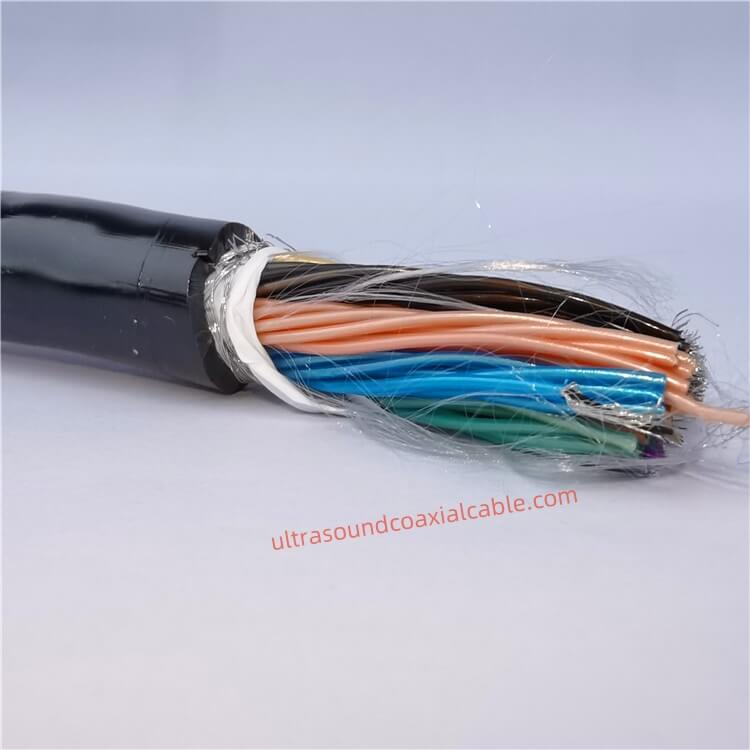
High-Performance Ultrasound Coaxial Cable Assembly: 42AWG to 30AWG, 6.6mm OD, 18GHz Bandwidth Engineered for precision in medical imaging and industrial applications, this customizable coaxial cable assembly delivers exceptional signal.

High-Performance Flexible Coaxial Cable for Medical Imaging & Ultrasound Systems Designed for demanding applications in medical imaging, industrial diagnostics, and high-frequency signal transmission, this ultra-flexible coaxial ca.
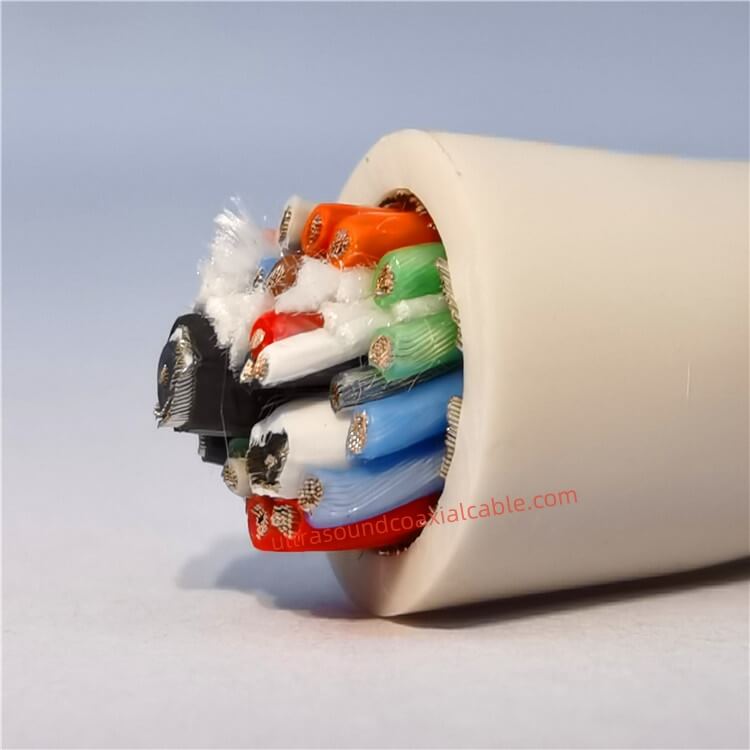
High-Precision 138-Core Medical Ultrasound Coaxial Cables | 0.2mm Ultra-Fine Biocompatible Design for Diagnostic Imaging Product Overview Engineered for advanced medical imaging systems, our 138-Core Medical Ultrasound Probe Coa.
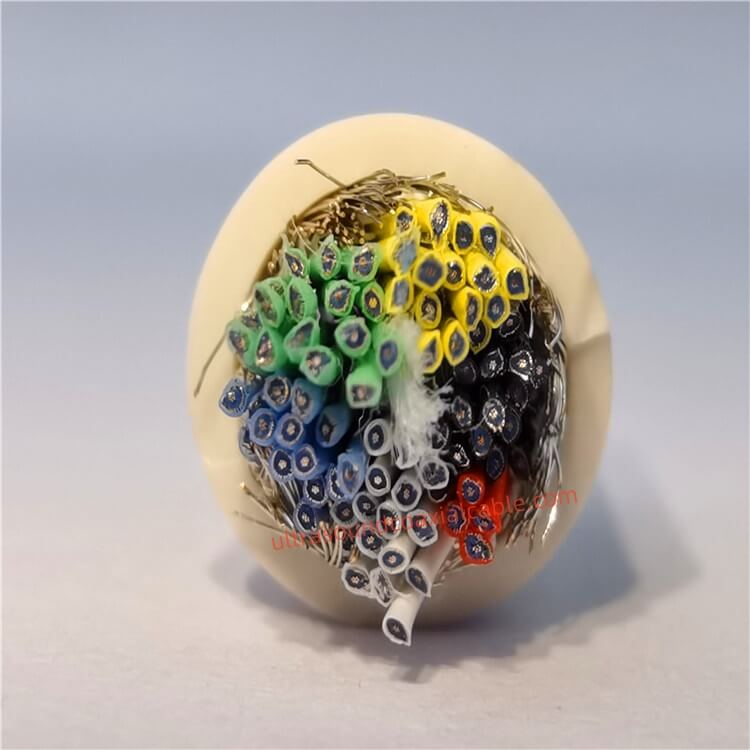
Product OverviewThe Ultrasound Coaxial Cable is a specialized cable engineered to deliver ultra-low signal loss, exceptional shielding, and unmatched durability in critical environments. Designed for medical imaging, industrial testi.
Feel free to reach out to us for any inquiries or orders.