Industrial environments present significant challenges for ultrasound coaxial cables, which are critical components in non-destructive testing (NDT), medical imaging, and… - Professional Ultrasound Coaxial Cable Solutions
Learn more about, latest news, frequently asked questions
Industrial environments present significant challenges for ultrasound coaxial cables, which are critical components in non-destructive testing (NDT), medical imaging, and various industrial applications. These sophisticated cables transmit high-frequency signals essential for precision imaging and measurement, but chemical exposure can compromise their integrity, leading to signal degradation, equipment failure, and costly downtime. Proper protection strategies ensure reliable performance and extended service life in harsh industrial settings.
Ultrasound coaxial cables consist of multiple vulnerable components that chemicals can attack. The inner conductor, typically made of silver-plated or tinned copper, is susceptible to corrosion when exposed to moisture and chemicals. Insulation materials, often fluoropolymers or polyethylene, can deteriorate when contacting solvents or oils. The outer jacket, the cable’s first line of defense, faces direct exposure to hazardous substances that can cause swelling, cracking, or disintegration.
Chemical damage follows several mechanisms: solvents can dissolve or soften insulation materials, oils can cause polymer swelling and plasticizer leaching, and acids/alkalis can corrode metallic components. UV exposure from sunlight or industrial lighting can also degrade jacket materials over time, making them brittle and prone to cracking. The result is inevitably impaired signal transmission, potentially leading to inaccurate readings in critical applications like pipeline inspection or aerospace component testing .
Choosing appropriate jacket materials represents the most effective strategy for protecting ultrasound coaxial cables from chemical exposure. Different industrial environments demand specific material properties:
Material selection should align with specific chemical challenges. For instance, in offshore oil and gas operations where cables encounter saltwater, hydrocarbons, and drilling fluids, TPE or PUR jackets provide optimal protection compared to standard PVC, which degrades rapidly in such environments .
Beyond jacket selection, cable construction plays a vital role in chemical resistance:
Multi-layer shielding provides both mechanical and chemical protection. Spiral shields made of tinned copper with polyester tape jackets offer up to 90% coverage, while braided shields using tinned or silver-plated copper provide additional barriers against chemical ingress . The combination of these shielding types creates multiple obstacles that chemicals must penetrate to reach critical components.
Chemical-resistant encapsulation using materials like epoxy resin at connection points seals vulnerable junctions where chemicals might infiltrate. This approach is particularly valuable in immersion applications or environments with chemical splash or spray .
For extreme chemical environments, armored cables with galvanized steel protection offer an additional physical barrier. While primarily for mechanical protection, this armor also prevents chemical contact with underlying layers, significantly extending cable lifespan in punishing conditions .
In petroleum refineries and offshore platforms, ultrasound coaxial cables used for pipeline inspection and tank thickness monitoring face exposure to crude oil, hydrocarbons, saltwater, and various chemicals. TPE-jacketed cables withstand these aggressive substances while maintaining signal integrity. The expanding ultrasonic NDT equipment market in this sector, which saw a 9% year-on-year increase in 2023, underscores the critical need for durable cable solutions .
Chemical manufacturing facilities require cables resistant to acids, solvents, and caustic substances. FEP-insulated cables with TPE or PUR jackets provide necessary chemical resistance while withstanding temperature variations. These environments demand compliance with strict safety standards, including Low Smoke Zero Halogen (LSZH) requirements to prevent toxic fume emission in case of fire .
Ultrasound coaxial cables in automotive testing and manufacturing face exposure to fuels, lubricants, and cleaning solutions. PUR-jacketed cables offer ideal protection in these settings, withstanding over 100,000 flex cycles while resisting oil degradation. This durability is crucial for automated ultrasonic testing systems in production lines, where cable failure can cause downtime costing thousands per hour .
Aircraft maintenance and component testing involve exposure to aviation fuels, hydraulic fluids, and de-icing chemicals. Cables meeting MIL-SPEC certifications with fluoropolymer insulation and specialized jacketing provide reliable performance in these critical applications. The defense sector’s 15% annual increase in ultrasonic inspection tools highlights the growing importance of chemical-resistant cable solutions .
At FRS, we engineer ultrasound coaxial cables with proprietary ShieldGuard™ technology that provides triple-layer protection against chemical exposure. Our cables feature:
Our ChemiShield™ series of ultrasound coaxial cables has demonstrated 40% longer lifespan in accelerated aging tests with industrial chemicals compared to standard offerings. This extended durability translates to reduced replacement costs and less downtime in critical industrial operations .
Industry certifications provide verifiable standards for cable performance in chemical environments. Key certifications include:
Certifications should align with your specific industry requirements. For instance, food processing facilities need FDA-compliant materials that resist cleaning chemicals and sterilants, while industrial laboratories may prioritize chemical resistance ratings against specific solvents used in their processes .
Even with chemical-resistant construction, proper maintenance extends cable lifespan:
Regular inspection for signs of swelling, cracking, or discoloration of the jacket indicates chemical degradation. Immediate replacement at early signs of damage prevents more extensive failure .
Appropriate cleaning after chemical exposure removes residual substances that could cause long-term damage. Use manufacturer-recommended cleaning solutions that won’t interact negatively with cable materials .
Connection point maintenance is critical, as connectors represent vulnerable entry points for chemicals. Dielectric grease applications and regular connector inspections prevent chemical wicking into the cable core .
The consequences of inadequate chemical protection extend beyond simple replacement costs. In industrial settings, cable failure can mean:
Investing in properly protected ultrasound coaxial cables represents a proactive approach to risk management. While chemical-resistant cables may command a 20-30% premium initially, they typically deliver a 300-400% return through extended service life and reduced downtime in challenging industrial environments .
The global ultrasound coaxial cable market, projected to reach $850 million by 2033, reflects growing recognition of the value of durable, reliable cables in industrial applications. This expanding market drives continued innovation in chemical protection technologies, offering increasingly sophisticated solutions for challenging environments .
Protecting ultrasound coaxial cables from chemical exposure requires a comprehensive approach combining appropriate material selection, advanced construction techniques, and proper maintenance procedures. By understanding the specific chemical challenges in your operating environment and selecting cables engineered to withstand those conditions, you ensure reliable performance, extended service life, and optimal return on your investment in ultrasound technology .
Discover our most popular furniture pieces that are loved by customers worldwide.

High-Performance Flexible Coaxial Cable for Medical Imaging & Ultrasound Systems Designed for demanding applications in medical imaging, industrial diagnostics, and high-frequency signal transmission, this ultra-flexible coaxial ca.

Ultra-Flexible 42AWG Medical-Grade Coaxial Cables for High-Precision Ultrasound Imaging Designed for demanding medical imaging applications, our Ultra-Flexible 42AWG Coaxial Cables deliver exceptional signal integrity, noise reduction,.
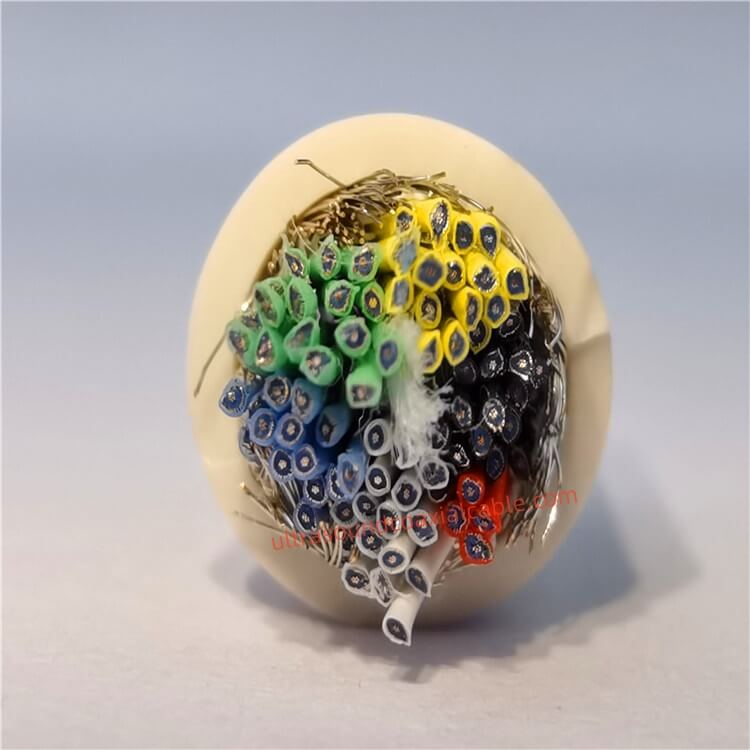
Product OverviewThe Ultrasound Coaxial Cable is a specialized cable engineered to deliver ultra-low signal loss, exceptional shielding, and unmatched durability in critical environments. Designed for medical imaging, industrial testi.
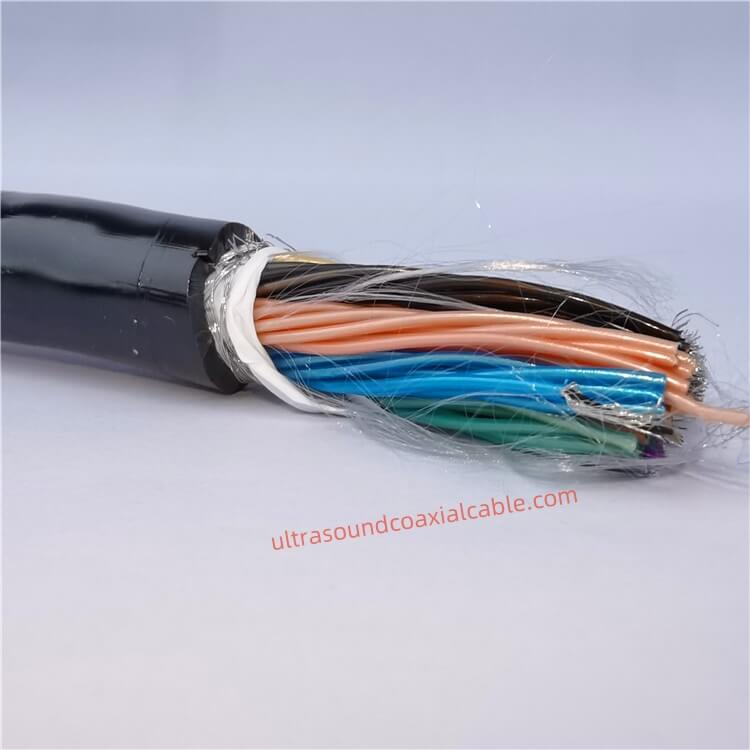
High-Performance Ultrasound Coaxial Cable Assembly: 42AWG to 30AWG, 6.6mm OD, 18GHz Bandwidth Engineered for precision in medical imaging and industrial applications, this customizable coaxial cable assembly delivers exceptional signal.
Feel free to reach out to us for any inquiries or orders.