Preventing Cross-Contamination with Reusable Ultrasound Coaxial Cables: A Complete Guide The Hidden Infection Risk in Ultrasound Imaging Cross-contamination from reusable… - Professional Ultrasound Coaxial Cable Solutions
Learn more about, latest news, frequently asked questions
Cross-contamination from reusable ultrasound coaxial cables presents a significant yet often overlooked challenge in medical settings. These essential components connect transducers to ultrasound machines and can become vectors for pathogen transmission if not properly managed. Studies indicate that 60% of trans-abdominal probes and 14% of trans-vaginal probes show evidence of bacterial contamination after examination, with cables serving as potential transmission pathways . As healthcare facilities increasingly rely on ultrasound across diverse clinical specialties, implementing robust infection control measures for coaxial cables has become a critical patient safety imperative.
Ultrasound coaxial cables contain multiple fine-gauge micro-coaxial wires (typically 42-36 AWG) that transmit signals between the transducer and imaging system . Their complex structure presents several contamination challenges:
The consequences of inadequate cable decontamination can be severe. Contaminated ultrasound equipment has been linked to healthcare-associated infections including bloodstream, urinary tract, and surgical site infections, with documented cases of hepatitis B and C transmission . Regulatory agencies like the FDA and The Joint Commission have issued alerts regarding transducer reprocessing, which implicitly includes cable management .
The Spaulding Classification system, widely adopted in healthcare settings, categorizes medical devices based on infection risk associated with their use . While coaxial cables themselves don’t directly contact patients, they require handling precautions corresponding to their associated transducer’s classification:
For critical and semi-critical procedures, cables connected to high-level disinfected transducers require meticulous handling to maintain sterility. For non-critical procedures, low-level disinfection suffices, but cables still represent potential cross-contamination vectors .
Leading manufacturers like FRS have engineered coaxial cables with infection prevention as a core design principle:
These design features address the key challenge identified in studies: “Ultrasound machines, probe cords and gels were identified as potential sources of bacterial contamination and need to be cleaned and changed regularly to minimize risks of infection” .
Proper storage extends cable lifespan and prevents contamination between uses:
Human factors significantly impact contamination prevention:
FRS offers customized training materials alongside its coaxial cables, supporting healthcare facilities in maintaining consistent infection control standards across departments.
Implementing robust cable decontamination protocols provides significant financial benefits:
The FRS COMFORT EX Ultrasound Micro Coax Cable demonstrates how strategic design reduces long-term costs, with hospitals reporting up to 40% longer service life compared to conventional cables .
Infection prevention technology continues evolving with several promising developments:
FRS invests significantly in R&D, with next-generation cables featuring embedded indicators that verify proper disinfection has occurred.
Preventing cross-contamination with reusable ultrasound coaxial cables requires a multifaceted approach combining appropriate product selection, validated protocols, and consistent staff compliance. By viewing cables as critical infection control points rather than mere accessories, healthcare facilities can significantly reduce patient risks.
The partnership between healthcare providers and responsible manufacturers like FRS ensures that technological innovation aligns with clinical needs, ultimately supporting the highest standards of patient safety across all ultrasound applications. As ultrasound continues expanding into new diagnostic and therapeutic areas, vigilant attention to every component in the imaging chain—including the humble coaxial cable—will remain essential for safe patient care.
Discover our most popular furniture pieces that are loved by customers worldwide.

High-Performance Flexible Coaxial Cable for Medical Imaging & Ultrasound Systems Designed for demanding applications in medical imaging, industrial diagnostics, and high-frequency signal transmission, this ultra-flexible coaxial ca.

Ultra-Flexible 42AWG Medical-Grade Coaxial Cables for High-Precision Ultrasound Imaging Designed for demanding medical imaging applications, our Ultra-Flexible 42AWG Coaxial Cables deliver exceptional signal integrity, noise reduction,.
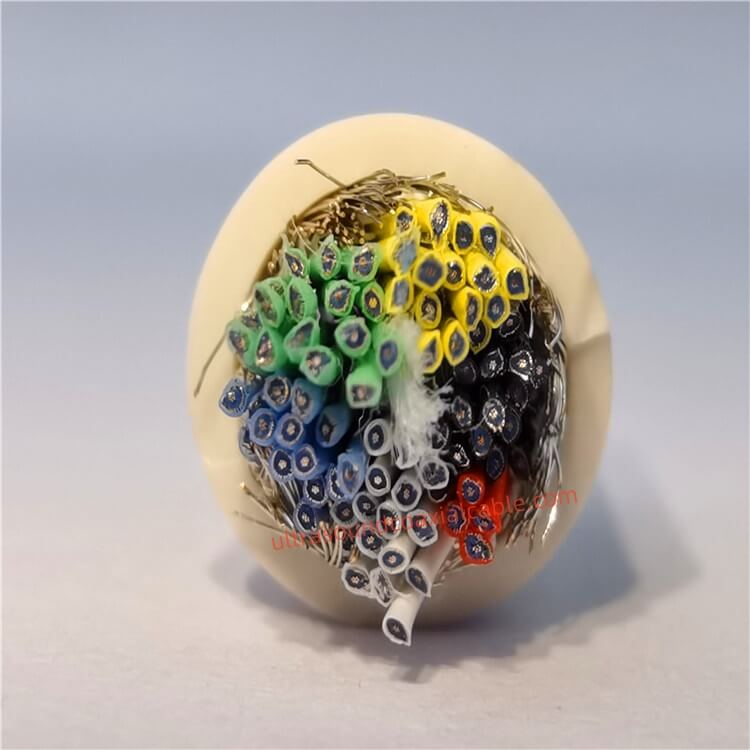
Product OverviewThe Ultrasound Coaxial Cable is a specialized cable engineered to deliver ultra-low signal loss, exceptional shielding, and unmatched durability in critical environments. Designed for medical imaging, industrial testi.
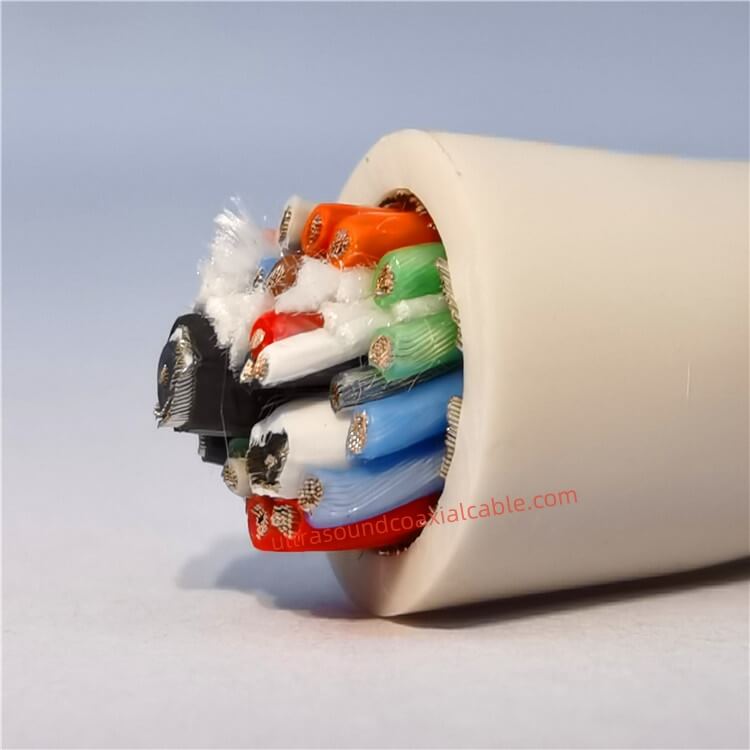
High-Precision 138-Core Medical Ultrasound Coaxial Cables | 0.2mm Ultra-Fine Biocompatible Design for Diagnostic Imaging Product Overview Engineered for advanced medical imaging systems, our 138-Core Medical Ultrasound Probe Coa.
Feel free to reach out to us for any inquiries or orders.